Low potassium symptoms in women and common causes
In short: Many people eat less potassium than they need, mainly because their meals have too few fruits, vegetables and pulses and too much salty, packaged food. Heavy sweating, diarrhoea or vomiting can also drain it. Low potassium can show up as tiredness, muscle cramps, weakness, constipation or a fluttering heartbeat. If these keep happening, ask a doctor for a simple blood test, and check with a doctor before taking any supplement.
Feeling tired, bloated, or unusually irritable lately? It might not be stress, poor sleep, or your coffee intake; it could be something as simple and overlooked as low potassium.
Surprised? You are not alone.
Despite being essential for energy, hydration, nerve health, and even heart function, low potassium intake is quietly affecting many people without them realizing it.
First, why is potassium so important?
Potassium is a mineral and electrolyte that your body needs. It helps:
- Regulate blood pressure
- Support proper muscle contractions (including your heart)
- Maintain fluid balance
- Reduce bloating and water retention
- Counteract the effects of excess sodium
Yet many adults are not getting enough potassium through their daily diet.
So why are we all so low in potassium?
1. We do not eat enough fruits & veggies
Potassium-rich foods like leafy greens, avocados, beans, and squash are often missing from modern diets, especially with the rise of fast food and processed meals.
2. High sodium diets are cancelling it out
Salt and potassium have a yin-yang relationship in your body. The more sodium you consume (hello, chips, restaurant meals, and packaged foods), the more potassium you need to balance it out. Unfortunately, the average diet contains way more sodium than it should, and not nearly enough potassium to balance it.
3. Hidden losses through sweating or illness
If you work out a lot or sweat heavily, you may be losing potassium faster than you can replace it. Chronic diarrhea or vomiting also drains potassium reserves. Some treatments can affect potassium too, so tell your doctor about any treatment you are already having.
4. Modern farming and soil depletion
Even the veggies we do eat do not always pack the nutritional punch they used to. Over-farmed soil and long food supply chains can reduce the potassium content in fresh produce. So, even a balanced diet might not be as potassium-rich as you think.
Real-life symptoms of low potassium (that we often dismiss)
- Constant fatigue
- Muscle cramps or twitching
- Bloating and water retention
- Constipation
- Mood swings or irritability
- Feeling weak or lightheaded
- Heart palpitations (in more severe cases)
Sounds familiar? These symptoms often mimic stress or poor sleep, so they rarely get traced back to electrolyte imbalance, but they should.
The best potassium-rich foods (you can eat every day)
Do not worry, you do not need to start chugging supplements or live on bananas alone. Here are easy, potassium-rich foods to add to your day:
- Sweet potatoes
- Avocados
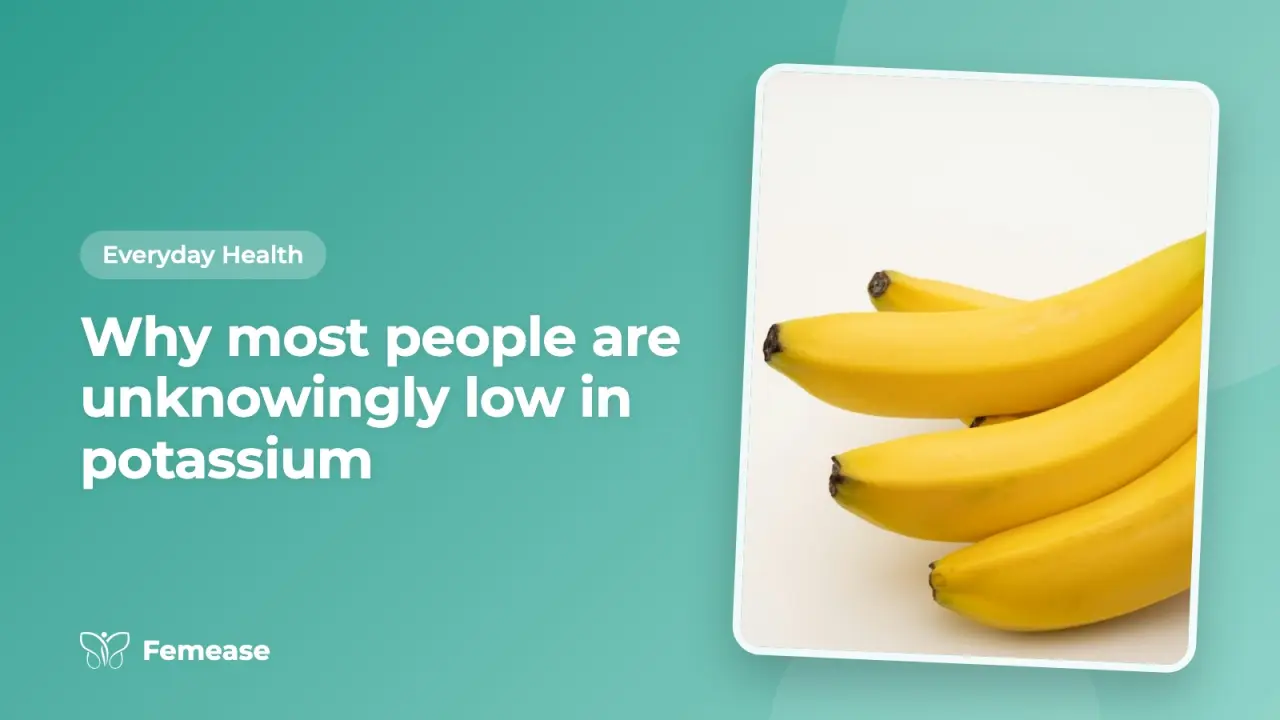
- Bananas (classic!)
- Spinach, kale, and Swiss chard
- Lentils, white beans, and kidney beans
- Salmon
- Oranges and orange juice
- Tomatoes (and tomato-based sauces)
Pro Tip: Try making a smoothie with a banana, spinach, almond milk, and a spoonful of chia seeds. It's a potassium bomb that tastes like dessert.
What you can do
- Check your diet: Are you getting 3–5 servings of fruits and veggies daily?
- Read labels: Look at your sodium intake; potassium should ideally balance or exceed it.
- Consider testing: If you have ongoing fatigue or muscle issues, ask your doctor for an electrolyte blood test.
- Hydrate smart: Coconut water and electrolyte drinks (low sugar ones!) are great for a natural potassium boost.
Potassium deficiency isn’t just a third-world problem; it’s a hidden modern health issue that sneaks up in everyday symptoms. But the good news is: it’s fixable. With small tweaks to your meals and awareness of your lifestyle, you can restore balance and start feeling like yourself again.
Questions women ask
Are most people low in potassium?
Many people do not get enough potassium from their diet, because they eat few fruits, vegetables and pulses and a lot of processed food. Eating too little is not the same as having a low level in the blood, though. Only a blood test can tell you that.
Why do people get low potassium?
The common reasons are a diet low in fruits and vegetables, a lot of salty packaged or restaurant food, heavy sweating, and illness with diarrhoea or vomiting. Some treatments for other conditions can also affect potassium, so tell your doctor about any treatment you are already having.
What are the signs of low potassium?
Constant tiredness, muscle cramps or twitching, weakness, feeling lightheaded, constipation, bloating and irritability. These are easy to blame on stress or poor sleep. A doctor can check your level with a blood test if they keep coming back.
Which foods are high in potassium?
Bananas, oranges, tomatoes, sweet potatoes, spinach and other leafy greens, lentils, rajma and other beans, avocado, fish and coconut water. Eating a few servings of fruits and vegetables every day is the easiest way. Check with a doctor before taking any potassium supplement.
When is low potassium an emergency?
Go to hospital straight away if you have chest pain, fainting, a racing or irregular heartbeat or severe muscle weakness. See a doctor the same day for ongoing vomiting or diarrhoea that you cannot keep up with. These need prompt care, not home remedies.
General information, not medical advice. Talk to a doctor about your own health.
More about everyday health

Low libido in women: why desire dips and what can help
Low libido in women is common and not your fault. Learn the causes, from stress and having a baby to menopause and thyroid, what helps and when to see a doctor.
Hemoglobin low symptoms: signs of anaemia in women and what helps
Tired, breathless or dizzy? The signs of low haemoglobin in women, common causes like heavy periods and pregnancy, iron-rich foods and when to see a doctor.
Thyroid in women: symptoms, causes, tests and pregnancy
Signs of an underactive or overactive thyroid in women, how it affects periods and pregnancy, what the TSH test shows, and when to see a doctor.
UTI in women: symptoms, causes and how to prevent it
Burning urine, urgency and lower tummy pain are common UTI signs in women. Learn why UTIs happen, home care, prevention and red flags for kidney infection.
Metabolic flexibility: what it is and how to build it
Metabolic flexibility is your body's ability to switch between burning carbs and fat. See the signs, why it matters and six simple habits to build it.
Mini fasting 12-14 hours: benefits and how to start
Yes, a 12 to 14 hour gap between dinner and breakfast is a gentle habit. See what autophagy is, if water is fine, how to begin and who should ask first.
