Waking up tired after 8 hours of sleep: why
Usually the sleep was not good quality, though low iron, thyroid problems or sleep apnoea can also play a part. See the causes and when to see a doctor.
Sleep, energy, digestion and the small everyday habits that add up.
Talk to a doctorUsually the sleep was not good quality, though low iron, thyroid problems or sleep apnoea can also play a part. See the causes and when to see a doctor.
Dehydration is not always thirst. Learn quieter signs like tiredness, headaches, sugar cravings and dull skin, and how to check and drink enough water.
Lifespan is how long you live; healthspan is how many years you stay well and active. Learn the difference and small daily habits that support it.
Burning urine, urgency and lower tummy pain are common UTI signs in women. Learn why UTIs happen, home care, prevention and red flags for kidney infection.
Signs of an underactive or overactive thyroid in women, how it affects periods and pregnancy, what the TSH test shows, and when to see a doctor.
Painful sex is common and treatable. Learn the usual reasons, from dryness and infection to vaginismus and endometriosis, what helps and when to see a doctor.
Common causes of lower tummy pain in women, from periods and UTIs to cysts, appendicitis and ectopic pregnancy, plus clear signs to get help fast.
Tired, breathless or dizzy? The signs of low haemoglobin in women, common causes like heavy periods and pregnancy, iron-rich foods and when to see a doctor.

Low libido in women is common and not your fault. Learn the causes, from stress and having a baby to menopause and thyroid, what helps and when to see a doctor.
Why breasts hurt before periods, in pregnancy, while breastfeeding and in perimenopause, what helps at home, and when breast pain needs a doctor.
Most breast lumps are not cancer, but every new lump needs a check. Common causes, warning signs, lumps after delivery, and how doctors test.

How the HPV vaccine and Pap smear protect you from cervical cancer: who should get the vaccine, its side effects, early symptoms and when to get tested.
Yes, for most healthy people. Barefoot walking indoors works your foot muscles and balance. Read how to start, what you may notice, and who should avoid it.
Yes, a resting heart rate above your usual for a few days can hint at illness. Learn what is normal, how to track it and when to see a doctor.
Yes, a 12 to 14 hour gap between dinner and breakfast is a gentle habit. See what autophagy is, if water is fine, how to begin and who should ask first.
Low potassium can cause tiredness, cramps and weakness. Read why many people eat too little, signs to watch for, foods that help and when to test.

Metabolic flexibility is your body's ability to switch between burning carbs and fat. See the signs, why it matters and six simple habits to build it.

Small residues in meat, milk and eggs may upset gut bacteria over time. See what it means, how to protect your gut and when to see a doctor.
Your genes, gut, hormones and health shape how you react to food. Learn why one diet does not suit everyone and how to start noticing what works for you.
No, juice cleanses do not clean your liver, as it already clears waste daily. See three juice myths, why starving is no reset and what your liver needs.

No single oil is perfect. Learn what oxidized oil is, why reheating and smoking oil matters, and how to pick and use cooking oils in small amounts.
Hangxiety is the anxious, low feeling many get the day after drinking. Learn how alcohol affects mood, sleep, gut and inflammation, and what to do next day.

They are fine extras for a fresher mouth, but they do not replace brushing twice a day. Learn how each works, the benefits and when to see a dentist.

Whole fruit is usually better than juice because juicing removes most fibre. See why one glass holds so much sugar, how packaged juice and smoothies compare.
Walking barefoot lets the small muscles in your feet work, which may help strength, balance and posture. Learn how to start slowly and who should take care.
When you eat matters as well as what you eat. Learn how your body clock affects digestion and blood sugar, what late meals do, and a daily meal plan.

Chewing is the first step of digestion, and rushing meals can bring bloating and gas. See what happens when you rush and simple ways to chew better.

Your bones are at their strongest by your late 20s or early 30s. See what calcium, vitamin D and magnesium each do, food sources and why habits matter now.
Rock, pink and sea salt carry small amounts of minerals but are still mostly sodium. See how they compare with table salt and why the amount matters most.

Your skin barrier keeps moisture in and irritants out. Learn the signs of damage like dryness, redness and stinging, and how to strengthen it.
You wake up a little dehydrated, so skipping water can leave you groggy. See what happens, how much to drink after waking and easy tips to make it a habit.

Shallow breathing means short, quick chest breaths. Learn why stress and slouching cause it, how it leaves you tense and tired, and slow belly breathing.
Eating while scrolling or watching TV can cause bloating, gas and overeating. Learn what distracted eating does to digestion and how to eat more mindfully.
Sugar-free and low-fat foods are not always as healthy as labels say. See how they can affect your gut, focus and hormones, and what to eat instead.
No, skipping meals is not intermittent fasting. See how irregular eating can upset hormones, energy and mood in women, and when to ask a doctor first.
Evening blue light from phones and LEDs can hold back melatonin and disturb sleep, mood and maybe cycles. Learn simple ways to cut it down.
Tiny daily stresses seem harmless alone but together leave you drained and irritable. See examples, how they affect body and mind, and ways to manage them.

Coffee does not cause hormone imbalance alone, but it does affect hormones. See how caffeine links to cortisol, oestrogen and sleep, and gentler swaps to try.
Sleeping on your left side often suits digestion and acidity. Learn why, how raising your head and eating early help, and how position affects circulation.
Yawning is a reflex, and it is not only a sign of being tired or bored. Learn what researchers think it does, from cooling the brain to waking you up.
Chronic low-grade inflammation is a quiet, long-running immune response linked with long-term health problems. Learn the daily triggers and habits that help.
Daylight soon after waking helps set your body clock, mood and sleep. See how it works, how many minutes are enough and when to see a doctor.

Some everyday foods leave you more tired, like white bread, sugary cereal and fried snacks. See the common ones and simple swaps to keep your energy steadier.
Physical hunger builds slowly, while emotional hunger comes suddenly with cravings. Learn the signs that tell them apart and a simple pause that helps.
Poor posture usually comes from small daily habits, like scrolling, slouching and heavy one-shoulder bags. See the habits and what to do about each.
Changing seasons really do affect your body, from mood and dry skin to dehydration and allergies. See what each season brings and how to stay well all year.
No, you do not have to drink exactly 8 glasses of plain water. Learn the truth about clear urine, thirst, extra water myths and when you need more.
Your sleep position can affect digestion, breathing and back comfort. Learn how left side, right side, back and stomach sleeping compare and what each means.
Work-life balance means enough time and energy for work, family and yourself. See tips on boundaries, rest, stress and screens, and when to talk to someone.
Not sleeping well? Learn why good sleep matters for your health, with simple tips on a regular schedule, bedtime routine, bedroom, caffeine and stress.

A few simple morning habits can lift mood and energy all day. See ideas like water, gentle stretching, slow breathing and a protein-rich breakfast.
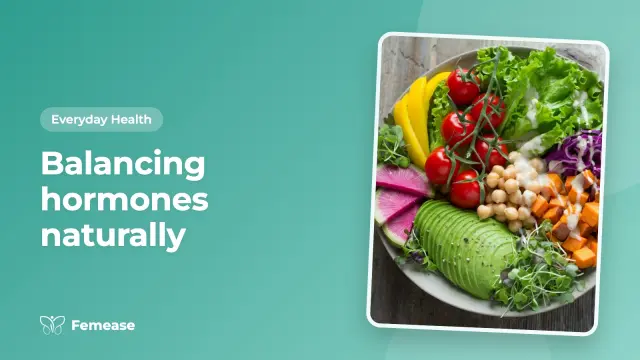
Habits like whole foods, sleep, stress care and movement support hormones, but do not replace care for PCOS or thyroid issues. Know when to see a doctor.
A little sugar is fine, but too much added sugar is bad for health. See where hidden sugar hides, what it is linked to and simple ways to cut down.