Barefoot walking: Better posture & brain boost
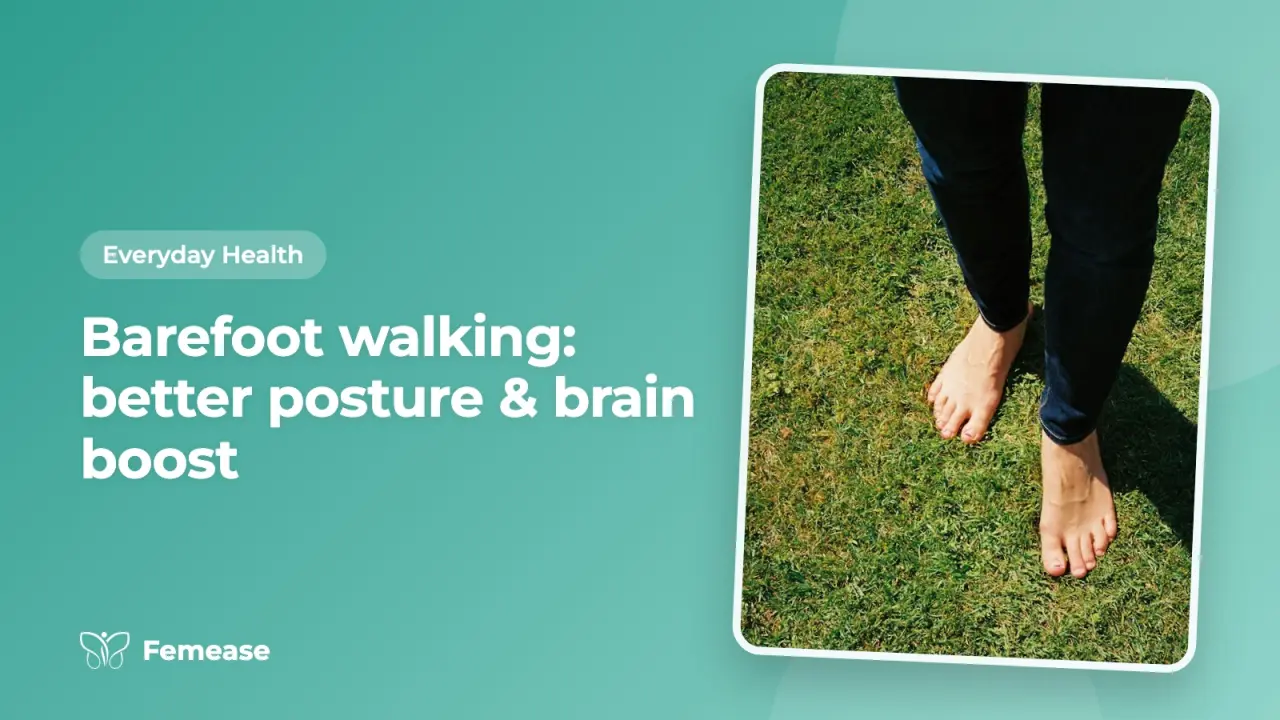
In short: Walking barefoot at home is good for most healthy people. Without cushioned shoes, the small muscles in your feet work harder, your toes spread out, and your brain gets clearer signals about balance and body position, which can help posture over time. Start with short spells on clean, safe floors and build up slowly. If you have diabetes, numb feet or foot pain that does not settle, check with a doctor first.
Remember the last time you kicked off your shoes after a long day? That instant sigh of relief is not just in your head; it is your body’s way of saying, “Thank you for setting me free.” Walking barefoot, even inside your home, is more than a comfort choice; it is a small daily habit that can quietly reshape your posture, improve balance, and even influence how your brain works.
Let us walk through (pun intended) the science and the subtle magic of barefoot living.
1. The forgotten connection between feet and posture
Your feet are your body’s foundation, 26 bones, 33 joints, and more than 100 muscles, tendons, and ligaments working together like a built-in suspension system.
When you wear cushioned shoes all day, your feet get “lazy.” The muscles weaken, arches collapse, and your body starts compensating with poor posture, rounded shoulders, forward head tilt, or uneven hips.
Barefoot walking encourages:
- Natural foot alignment – Your toes spread naturally, improving weight distribution.
- Stronger intrinsic foot muscles – They activate to stabilize your body.
- Better spinal alignment – A balanced foundation leads to a balanced back.
Think of it like switching from a crutch to standing on your own; your body learns to hold itself properly again.
2. Barefoot walking as brain training
Every step you take barefoot sends a flood of sensory feedback (proprioception) to your brain through thousands of nerve endings in your feet.
When you are barefoot:
- The brain gets sharper signals about your body’s position in space.
- Balance and coordination can improve with practice.
- Your brain keeps learning from these new signals, which helps your movements feel steadier.
In other words, your feet are always talking to your brain.
3. The indoor advantage
You do not have to be a “forest trail” kind of person to benefit. Walking barefoot indoors is safer and still highly effective.
Why indoors works just fine:
- Smooth, clean floors reduce injury risk.
- You can do it daily without worrying about the weather.
- Tiles, wood, or textured rugs still give sensory variety.
Pro tip: Try walking on different indoor surfaces, soft carpet, cool tiles, or a textured mat, to wake up your foot sensors.
4. What changes might you notice in weeks
If you start going barefoot more often at home, you might notice:
- Standing taller without trying
- Reduced knee or back tension
- More grounded and balanced movements
- Improved body awareness (you are less likely to bump into things!)
It is not overnight magic, but consistency matters. Allow 2–4 weeks, and your body will thank you.
5. Tips for starting safely
- Begin with 10–15 minutes a day.
- Do toe spreads, heel raises, and arch lifts.
- Walk slowly at first and pay attention to sensations.
- Avoid sharp objects and slippery floors.
Walking barefoot is not just a nostalgic throwback to childhood; it is a simple way to reconnect with your body and mind. Even a few barefoot minutes each day can help retrain your posture, sharpen your brain, and make you feel more alive in your skin.
Questions women ask
Is walking barefoot at home good or bad?
For most healthy people it is good. It lets your foot muscles work and improves balance and body awareness. Keep floors clean and free of sharp objects, and wear footwear if you have diabetes, poor feeling in your feet or an open wound.
Can walking barefoot improve posture?
It can help. Your feet are the base of your body, and stronger foot muscles and better arch support can help you stand more evenly. It is a slow change, so give it a few weeks along with simple foot exercises.
How long should I walk barefoot each day?
Start with about 10 to 15 minutes a day at home and add a little time as your feet get used to it. Walk slowly, try different surfaces like tiles, wood and a soft rug, and stop if anything hurts.
Who should avoid walking barefoot?
People with diabetes, numbness in the feet, severe foot deformities or certain nerve conditions should talk to a doctor first. A small cut that goes unnoticed can become a serious infection. See a doctor if foot or heel pain gets worse instead of better.
General information, not medical advice. Talk to a doctor about your own health.
Talk to a doctorKeep reading in the Femease app
Save articles, track your cycle or pregnancy, and talk to a doctor when you need one.
Keep reading
Barefoot living & foot strength
Is walking barefoot good for your feet? Learn how shoes can weaken foot muscles, what barefoot living may do for balance, and how to start safely.

The micro habits that destroys your posture
Is your posture getting worse? Learn the small daily habits that harm it, from text neck and couch slouching to one-shoulder bags, and what to change.

Sleep posture and it's effect on organ health
Is your sleeping position good for you? Learn how sleeping on your left side, right side, back or stomach may affect your body, and what to notice.

“Mom brain” is real
Forgetful after having a baby? Mom brain is real. Learn why hormones, sleep loss and mental load cause brain fog, and gentle ways to support yourself.
Why tracking your resting heart rate could help you spot illness early
Spot the warning signs days before symptoms hit, your heart rate might be your body’s quietest health alarm.

HPV vaccine, Pap smear and cervical cancer: what women should know
How the HPV vaccine and Pap smear protect you from cervical cancer: who should get the vaccine, its side effects, early symptoms and when to get tested.
