Why tracking your resting heart rate could help you spot illness early
In short: For most healthy adults, a normal resting heart rate is between 60 and 100 beats a minute, and very fit people can be lower. It is best checked in the morning before you get out of bed. If yours stays higher than your usual number for a few days, your body may be fighting an infection, or reacting to stress, poor sleep, dehydration or caffeine. See a doctor if it stays high or comes with tiredness, fever or a racing heart.
You know that tiny number on your smartwatch or fitness tracker, the one that tells you your resting heart rate? It might seem like just another piece of health data, but it can act like a quiet early-warning system for your body.
What is resting heart rate?
Your resting heart rate (RHR) is the number of times your heart beats per minute when you are completely at rest, usually measured first thing in the morning before you get out of bed. For most healthy adults, it is between 60–100 beats per minute (though trained athletes may have a lower rate).
Think of it as your heart’s “baseline speed.” When that speed changes, especially without a clear reason, it might be your body’s way of whispering, “Something’s going on here.”
The science behind resting heart rate & illness
Your heart rate is not just about fitness; it is directly linked to your nervous system, hormones, and overall health. When you are about to get sick, your body activates the immune system. This can raise your resting heart rate a day or more before you feel symptoms like fever or fatigue.
Sudden increases in RHR can be linked to:
- The onset of viral infections (like flu or COVID-19)
- Inflammation in the body
- Dehydration or poor recovery from physical stress
So, if your RHR jumps noticeably above your normal baseline without an obvious cause (like intense exercise or caffeine), your body might be fighting something off.
How to track your resting heart rate
You do not need to be a pro athlete or own fancy equipment. Here are simple ways to do it:
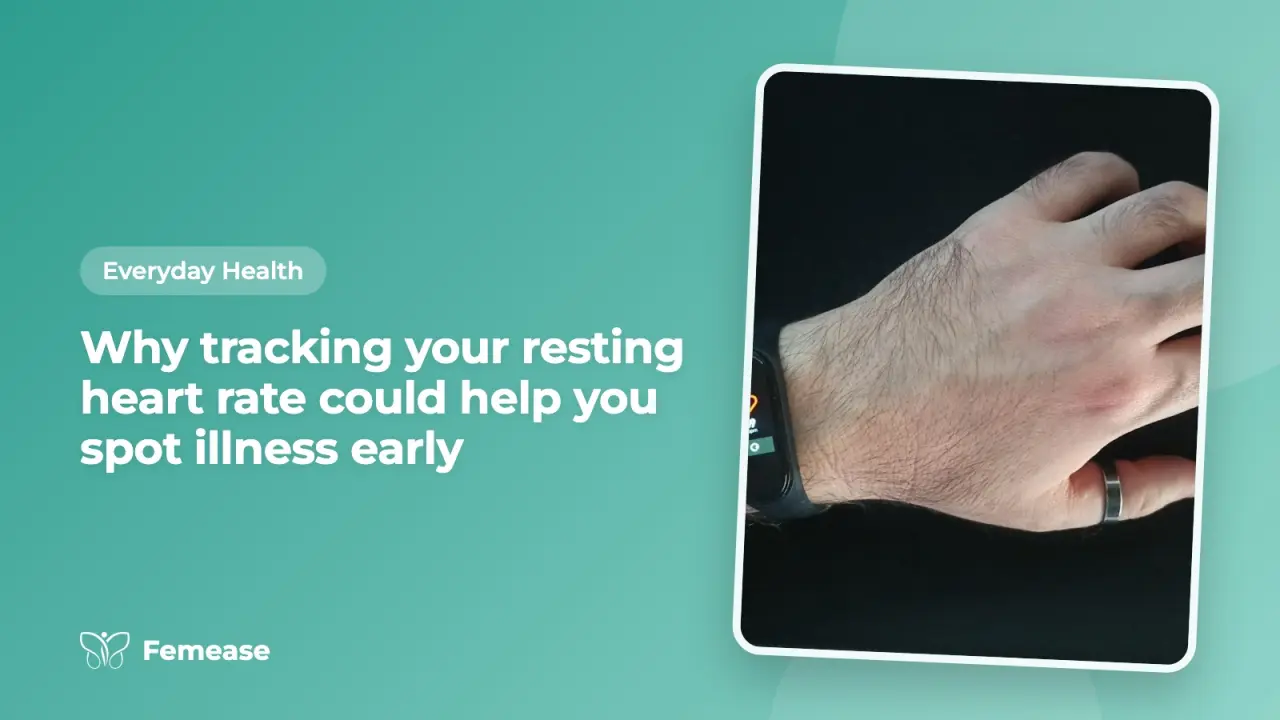
Use a smartwatch or fitness tracker – Most modern wearables track your RHR automatically.
Manual check – Place two fingers on your wrist or neck, count beats for 60 seconds (preferably in the morning before getting out of bed).
Log your numbers – Keep a simple journal or app record to spot patterns.
When to pay attention
A slightly higher or lower RHR is not always a problem. But consistent changes should be noticed. Look out for:
- RHR consistently above your usual range
- Sudden spikes without clear reasons (stress, exercise, caffeine)
- RHR combined with other symptoms (fatigue, body aches, fever)
Your resting heart rate is like a daily health check-in, a small, yet powerful number that reflects how your body is functioning internally. By paying attention to it, you can catch early signs of illness, adjust your routine, and give your body the care it needs before things get worse.
So, tomorrow morning, before you grab your phone, take a second to check your heart rate. Your body might just be telling you something important.
Questions women ask
What is a normal resting heart rate for women?
For most healthy adult women it is between 60 and 100 beats a minute. Your own normal matters most, so check it on a few mornings before getting out of bed and note the usual number.
Why does resting heart rate go up when you are sick?
When your body starts fighting an infection, your immune system becomes more active and your heart beats a little faster. This can show up a day or more before you feel feverish or tired.
What else can raise my resting heart rate?
Stress, poor sleep, dehydration, caffeine, a hard workout the day before, alcohol, pregnancy and thyroid problems can all raise it. It can also rise a little before your period. A one-off high reading is usually nothing to worry about.
When should a fast heart rate worry me?
See a doctor if your resting heart rate stays well above your normal for several days, or keeps going above 100. Go to hospital straight away if a racing heart comes with chest pain, fainting, severe breathlessness or confusion.
General information, not medical advice. Talk to a doctor about your own health.
Talk to a doctorKeep reading in the Femease app
Save articles, track your cycle or pregnancy, and talk to a doctor when you need one.
Keep reading

Period tracking is health tracking
It’s time to move beyond fertility and start using your cycle as a tool for total body awareness.

The truth about sugar
Eating too much sugar? Learn how sugar affects weight, diabetes risk, heart, teeth, liver and mood, how to spot hidden sugars, and easy ways to cut back.

When mental illness is quiet
Struggling quietly behind a smile? Learn how quiet BPD, OCD and PTSD can look, the cost of masking, and how to support someone who is silently struggling.

Why your heart works 30–50% harder during pregnancy
Discover why your blood volume increases during pregnancy, why your heart works harder, and what this means for your body, energy levels, and prenatal health.

How mini fasts (12–14 hours) help your body do a daily cellular cleanup
A gentle, science-backed way to give your body the nightly reset it needs, without extreme dieting.

Barefoot walking: Better posture & brain boost
Discover how barefoot walking indoors can improve posture, strengthen balance, and boost brain activity.
