The truth about sugar
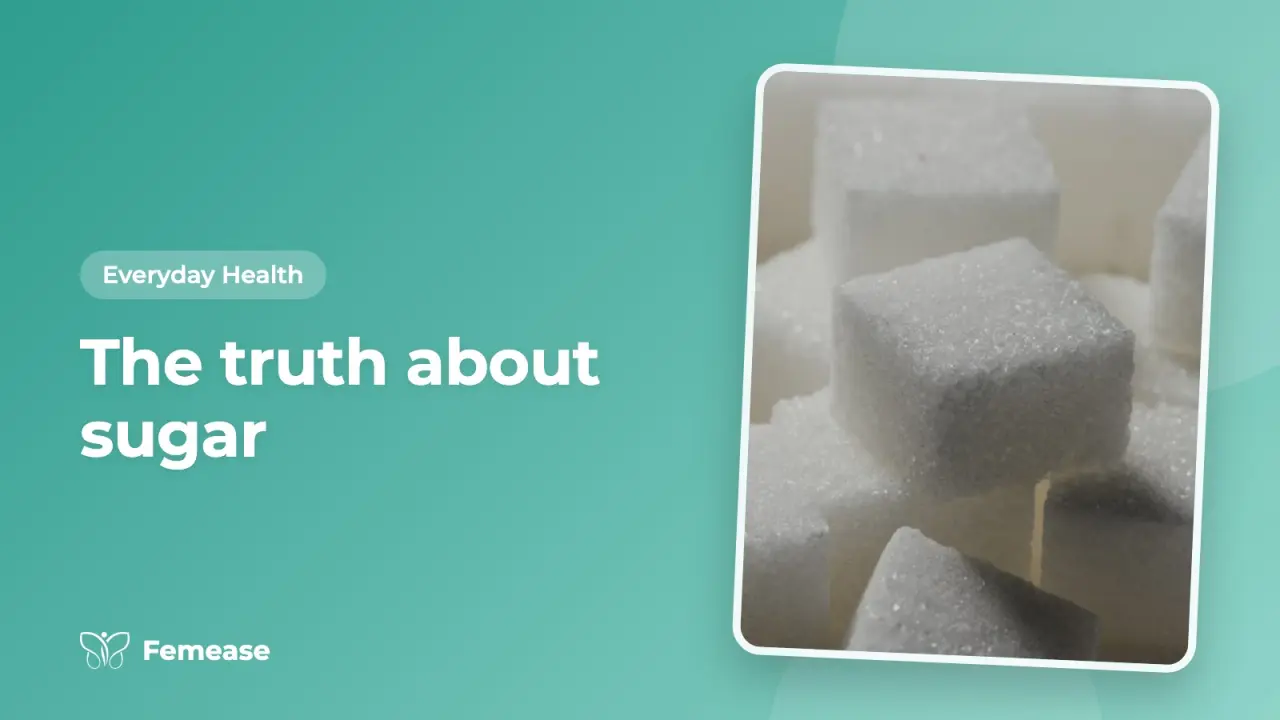
In short: A little sugar is fine, but too much added sugar is bad for your health. Eating a lot of it is linked to weight gain, type 2 diabetes, heart disease, fatty liver and tooth decay, and the ups and downs in blood sugar can affect energy and mood. The goal is not zero sugar but less of it: read labels, cut down on sweet drinks and choose whole foods. If you have constant thirst, frequent urination or tiredness, ask a doctor to check your blood sugar.
Sugar, often referred to as the "sweet poison," has infiltrated our modern diets, contributing to various health issues and concerns. While sweet treats and sugary drinks may be tempting, the effects of sugar on our health are far from sweet. In this article, we'll explore the hidden impacts of sugar on our well-being and provide valuable tips on how to reduce sugar intake, leading to a healthier, more vibrant life.
The Bitter Truth About Sugar
Weight Gain: Excessive sugar consumption is a leading cause of weight gain and obesity. It's high in calories and low in nutrients, making it easy to overconsume.
Diabetes Risk: A diet rich in added sugars increases the risk of type 2 diabetes. It leads to insulin resistance, a key factor in the development of the disease.
Heart Health: High sugar intake is linked to heart disease. It can increase blood pressure, triglycerides, and bad cholesterol levels.
Tooth Decay: Sugars feed harmful bacteria in the mouth, leading to tooth decay and cavities.
Fatty Liver: Excessive sugar consumption can lead to non-alcoholic fatty liver disease, which can progress to more severe liver issues.
Mood and Mental Health: Big ups and downs in blood sugar can affect your energy and mood, and diets high in added sugar have been linked with low mood.
Hidden Sugar Sources
Sugar often hides under various names on ingredient labels, making it difficult to spot.
High-Fructose Corn Syrup: Found in many processed foods and sugary drinks.
Sucrose: Common table sugar, often used in baking and cooking.
Agave Nectar: Often perceived as a healthier alternative, it's still high in fructose.
Dextrose: A common added sugar found in many processed snacks.
Fructose: A natural sugar found in fruit, but when isolated, it's a source of added sugars.
Honey and Maple Syrup: While natural, they are high in sugars and should be used in moderation.
Tips to Reduce Sugar Intake
Read Labels: Always read ingredient labels to identify hidden sugars in packaged foods. Look for ingredients ending in "-ose" or any type of syrup.
Cook at Home: Preparing meals at home gives you control over ingredients and helps you avoid hidden sugars found in restaurant dishes.
Choose Whole Foods: Opt for whole, unprocessed foods like fruits, vegetables, and lean proteins. These are naturally low in sugar.
Limit Sugary Beverages: Replace sugary drinks with water, herbal tea, or sparkling water. Avoid fruit juices and soda.
Healthy Snacking: If you crave a sweet treat, choose healthier options like fresh fruit, Greek yogurt, or dark chocolate with high cocoa content.
Reduce Sugar Gradually: Gradually reduce sugar in your diet to allow your taste buds to adjust. Start by cutting sugar in your coffee or tea, then move on to other foods.
Use Natural Sweeteners: If necessary, use natural sweeteners like stevia or monk fruit extract as sugar substitutes.
Mindful Eating: Be mindful of portion sizes and avoid mindless snacking. Listen to your body's hunger and fullness cues.
Stay Hydrated: Sometimes thirst is mistaken for hunger. Drinking enough water can help curb sugar cravings.
Plan Balanced Meals: Include a balance of macronutrients in your meals – protein, healthy fats, and complex carbohydrates – to stabilize blood sugar levels.
Seek Support: If you find it challenging to cut sugar, seek support from a registered dietitian or nutritionist who can provide guidance and motivation.
Cheat Strategically: If you want to enjoy sweets occasionally, do so mindfully and in moderation.
A Sugar-Free Lifestyle
A sugar-free lifestyle doesn't mean completely eliminating all sugars from your diet. It means being conscious of your choices and striving for balance.
Enhanced Energy: Reducing sugar can lead to more stable energy levels throughout the day.
Improved Mental Clarity: Fewer sugar-induced blood sugar spikes and crashes can lead to improved focus and cognitive function.
Better Skin Health: Some people experience improvements in skin conditions, such as acne, when they reduce sugar intake.
Weight Management: Reducing sugar is often associated with better weight management and a decreased risk of obesity.
Long-Term Health: Reducing sugar intake can help prevent chronic diseases like diabetes, heart disease, and fatty liver.
Conclusion
The effects of sugar on our health are significant and far-reaching, making it essential to be mindful of our sugar intake. By understanding the health risks, recognizing hidden sources of sugar, and implementing practical tips for reducing sugar consumption, you can embark on a journey toward a healthier, more vibrant life. Embrace the benefits of a sugar-free lifestyle and savour the sweetness of well-being and vitality.
Questions women ask
Why is too much sugar bad for you?
Added sugar is high in calories and low in nutrients, so it is easy to overeat. Over time, a lot of it raises the risk of weight gain, insulin resistance, type 2 diabetes, heart disease, fatty liver and cavities. It can also cause energy crashes.
Where is sugar hidden in food?
In packaged snacks, biscuits, sauces, cereals, flavoured yoghurts and sweet drinks. On labels, look for words ending in -ose, such as sucrose, dextrose and fructose, and any kind of syrup. Honey, jaggery and maple syrup are still sugar, so use them in small amounts.
How can I cut down on sugar?
Go slowly. Start with less sugar in your tea or coffee, swap sweet drinks for water or buttermilk, cook at home more, and eat meals with protein, fibre and healthy fats. When you want something sweet, have fresh fruit or a little dark chocolate.
Do I need to give up sugar completely?
No. Natural sugar in whole fruit comes with fibre and nutrients. The aim is to eat less added sugar and enjoy sweets now and then, mindfully. A dietitian can help if you find it hard to cut down.
General information, not medical advice. Talk to a doctor about your own health.
Talk to a doctorKeep reading in the Femease app
Save articles, track your cycle or pregnancy, and talk to a doctor when you need one.
Keep reading
Unintended consequences of low-fat or sugar-free diets
Gut disruption, brain fog, and hormonal imbalance due to artificial sweeteners or lack of good fats.
Can coffee and sugar make period cramps worse?
How caffeine and sugar may affect period pain, and simple food swaps that can make cramp days easier.
Why tracking your resting heart rate could help you spot illness early
Spot the warning signs days before symptoms hit, your heart rate might be your body’s quietest health alarm.

How pregnancy affects your heart
Understanding cardiovascular changes and the rising risk of maternal heart disease

UTI in women: symptoms, causes and how to prevent it
Burning urine, urgency and lower tummy pain are common UTI signs in women. Learn why UTIs happen, home care, prevention and red flags for kidney infection.
Balancing hormones naturally
Signs of hormonal imbalance like fatigue, acne or irregular periods? Learn how food, sleep, stress care and movement can support your hormones.
