HPV vaccine, Pap smear and cervical cancer: what women should know
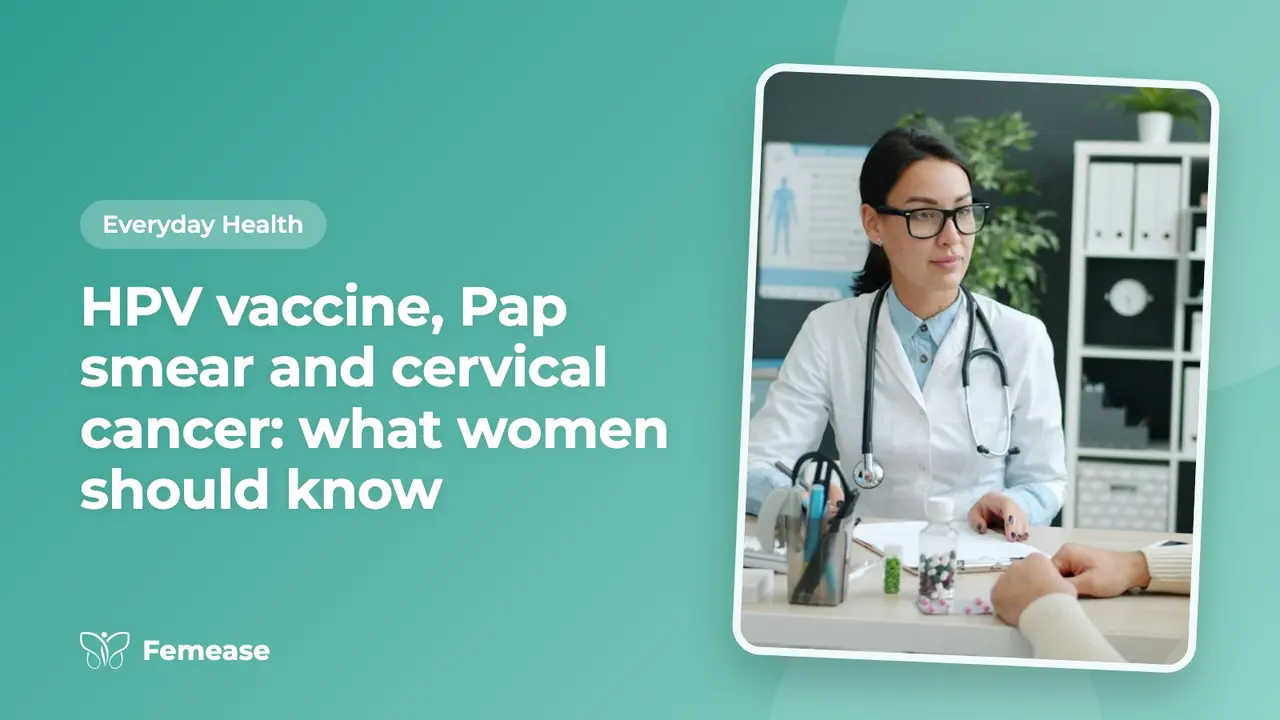
In short: The HPV vaccine protects against the virus that causes most cervical cancers, and it works best when given before a girl becomes sexually active, commonly around 9 to 14. Older girls and women can ask a doctor whether it still helps them. Regular Pap smear or HPV tests find changes early, before they turn into cancer. See a gynaecologist for bleeding after sex, between periods or after menopause.
Cervical cancer is one of the few cancers that can largely be prevented. That is good news, and it means a little knowledge can go a long way for you, your daughters and the women around you.
Many women feel shy about tests "down there", or think they only need a check if something feels wrong. Let us talk about how the HPV vaccine and screening tests keep you safe, and the signs that should never be ignored.
What causes cervical cancer?
The cervix is the neck of the uterus, at the top of the vagina. Most cervical cancers are caused by long-lasting infection with certain types of human papillomavirus, or HPV.
HPV is very common. It spreads through intimate skin-to-skin contact during sex, and most sexually active people will meet it at some point. In most women, the body clears HPV on its own without any problem. In a few, a high-risk type stays for years and slowly causes changes in the cells of the cervix. If these changes are not found and treated, they can turn into cancer over a long time.
Things that can raise the risk include:
- Long-lasting HPV infection.
- Smoking.
- A weak immune system.
- Never having had screening tests.
Cervical cancer symptoms
Early changes in the cervix usually cause no symptoms at all. That is why screening matters even when you feel well. When symptoms do appear, they can include:
- Bleeding after sex.
- Bleeding between periods.
- Any bleeding after menopause.
- Unusual watery, blood-stained or bad-smelling discharge.
- Pain in the lower tummy or pelvis, or pain during sex.
These symptoms are much more often caused by something simple, like an infection or a polyp, than by cancer. But they always deserve a check.
Cervical cancer is most often found in women in their 30s, 40s and 50s, but it can happen at other ages too.
The HPV vaccine: who should get it and when?
The HPV vaccine protects against the high-risk types of HPV that cause most cervical cancers. It works best when given before a person is ever exposed to HPV, which means before she becomes sexually active.
- It is commonly offered to girls around 9 to 14 years of age.
- Older girls and young women who missed it can still get it, and it may still protect them.
- If you are older, or already sexually active, ask your doctor whether the vaccine is still likely to help you.
The vaccine does not treat an HPV infection you already have, and it does not protect against every type. So even vaccinated women still need regular screening.
HPV vaccine side effects
Like any vaccine, the HPV vaccine can cause some mild, short-lived effects:
- Pain, redness or swelling where the injection was given.
- Mild fever.
- Headache or tiredness.
- Feeling dizzy or fainting soon after the injection, especially in teenagers.
To be safe, sit down for the injection and rest for a short while afterwards. Serious allergic reactions are very rare, and the clinic will watch for them. The vaccine has been used safely around the world for many years. If you have any allergies or health concerns, tell your doctor before the vaccine.
What is a Pap smear and what is it used for?
A Pap smear is a simple test where a doctor collects a few cells from your cervix with a small soft brush. The cells are checked for early changes that could turn into cancer if left alone. An HPV test looks for the high-risk virus itself, and is often done on the same sample.
The test takes only a few minutes. It may feel a little uncomfortable but should not be painful. Try to breathe slowly and relax your tummy. It is best done when you are not on your period.
When to start screening and how often to repeat it depends on your age, past results and history. Your gynaecologist will tell you what is right for you. If abnormal cells are found, it does not mean you have cancer. You may need a closer look at the cervix (colposcopy), and early changes can usually be treated simply. Women who are pregnant or past menopause also have their own screening needs; you can read more in cervical health and pregnancy and our post-menopausal health screening checklist.
When to see a gynaecologist
Book a visit if:
- You have never had a Pap smear or HPV test and are sexually active.
- You want to know if the HPV vaccine is right for you or your daughter.
- You notice bleeding after sex or between periods.
- You have unusual discharge or pain during sex.
Go to a doctor the same day if:
- You have heavy vaginal bleeding, soaking a pad every hour for 2 hours or more.
- You have any bleeding after menopause together with pain or feeling unwell.
- You have fever with pelvic pain or foul-smelling discharge.
- You feel faint or very dizzy.
- You are pregnant and have bleeding or pain.
Questions women ask
What are the early symptoms of cervical cancer?
Early changes usually cause no symptoms, which is why screening is so important. Later signs can include bleeding after sex, between periods or after menopause, unusual discharge and pelvic pain. These are often caused by simpler problems, but always get them checked.
Is there an age limit for the cervical cancer vaccine?
The vaccine works best when given around 9 to 14, before any sexual contact. Older girls and women who missed it can often still benefit. If you are older or already sexually active, ask your doctor whether it is still useful for you.
What are the side effects of the HPV vaccine?
Most side effects are mild and pass quickly: a sore, red or swollen arm, mild fever, headache, tiredness, or feeling faint soon after the injection. Serious allergic reactions are very rare. Tell your doctor about any allergies beforehand.
What is a Pap smear test used for?
A Pap smear checks cells from the cervix for early changes that could become cancer if left untreated. It is quick and simple. Finding changes early means they can usually be treated easily, long before cancer develops.
At what age does cervical cancer usually happen?
Cervical cancer is most often found in women in their 30s, 40s and 50s, but it can happen earlier or later. HPV infection usually happens years before. That is why vaccination when young and regular screening through adult life both matter.
What causes cervical cancer?
Most cervical cancers are caused by long-lasting infection with high-risk types of HPV, a common virus spread through sexual contact. Smoking and a weak immune system raise the risk. Vaccination and regular screening greatly lower your chances of getting it.
General information, not medical advice. Talk to a doctor about your own health.
Talk to a doctorKeep reading in the Femease app
Save articles, track your cycle or pregnancy, and talk to a doctor when you need one.
Keep reading

Conquering cancer
Ananya's Fight and Triumph
Cervical health and pregnancy
Cervix problems in pregnancy? Learn why the cervix matters, concerns like cervical insufficiency and infections, and how screening and checkups help.
Menopause in cancer survivors
Menopause after cancer treatment? Learn how sudden, treatment-led menopause differs from menopause with age, and how to manage it with your doctor.

Sleep posture and it's effect on organ health
Is your sleeping position good for you? Learn how sleeping on your left side, right side, back or stomach may affect your body, and what to notice.

Barefoot walking: Better posture & brain boost
Discover how barefoot walking indoors can improve posture, strengthen balance, and boost brain activity.
Breast lump: common causes, symptoms and what to do next
Most breast lumps are not cancer, but every new lump needs a check. Common causes, warning signs, lumps after delivery, and how doctors test.
