Menopause in cancer survivors
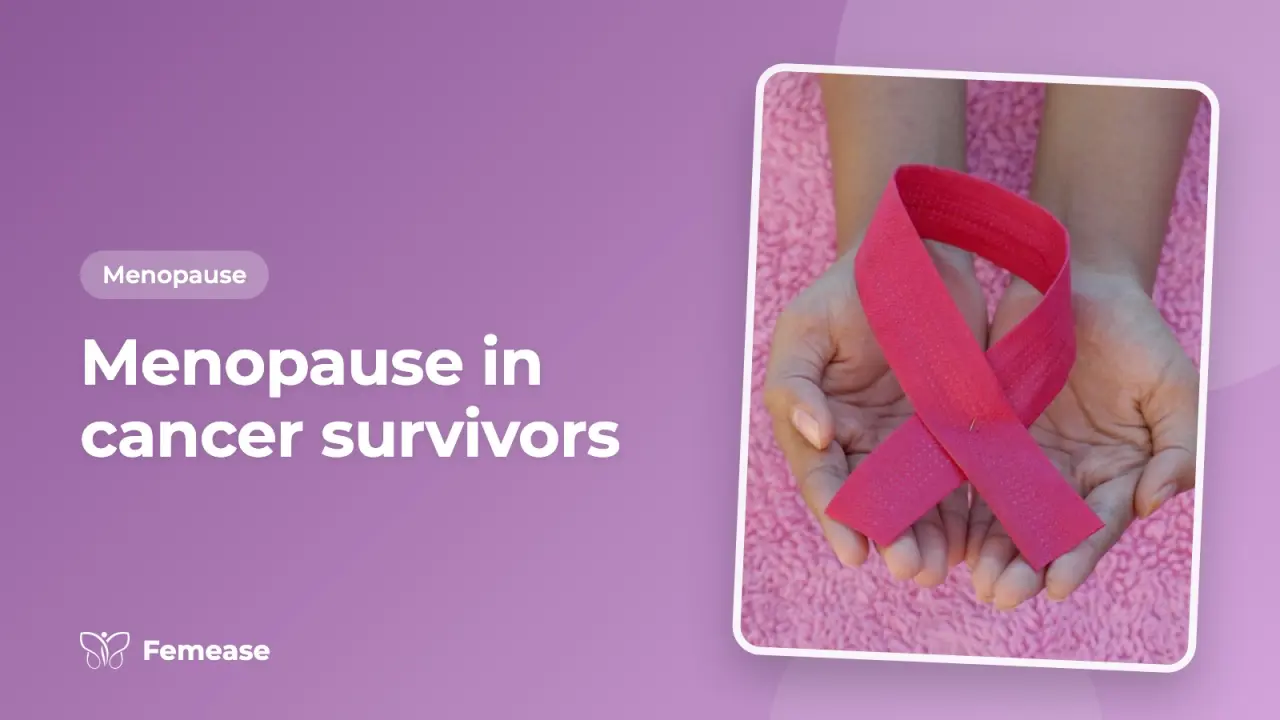
In short: Cancer treatment can bring on menopause suddenly. Chemotherapy, pelvic radiation, removal of the ovaries or hormone-blocking treatment can stop the ovaries working, sometimes within days or weeks and often at a young age. Because oestrogen drops quickly, hot flashes, night sweats, vaginal dryness, poor sleep and mood changes can be stronger than in natural menopause. Some usual menopause treatments, and some herbal or "natural hormone" products, are not safe after hormone-sensitive cancers, so always plan care with your oncologist and gynaecologist.
Menopause is a change every woman goes through. But for many cancer survivors it doesn't arrive gently with time. It arrives suddenly, as a side effect of the treatment that saved their life. That can feel like one more loss on top of an already exhausting journey.
You are not alone in this, and there is a lot you can do to feel more like yourself again, together with your doctors.
What is treatment-induced menopause?
Treatment-induced menopause, sometimes called surgical or chemical menopause, can happen with:
- Chemotherapy: some chemotherapy, especially for breast, ovarian or blood cancers, can damage the ovaries so they stop making oestrogen.
- Radiation: radiation to the pelvic area can affect the ovaries.
- Surgery: removing both ovaries brings on menopause straight away.
- Hormone-blocking treatment: some breast cancer treatments lower or block oestrogen, which causes menopause symptoms.
How is it different from natural menopause?
- It starts suddenly. Natural menopause usually comes on gradually over several years. Treatment-induced menopause can happen within days or weeks, so your body and your mind get no time to adjust.
- Symptoms can be stronger. Because oestrogen drops so quickly, hot flashes, night sweats, vaginal dryness, mood changes and sleep problems can be more intense.
- It often comes at a younger age. Many survivors reach menopause in their 20s, 30s or 40s, long before the usual age. That can bring worries about fertility, body image, intimacy and ageing.
- It comes on top of everything else. Finishing cancer treatment, living with body changes and then facing menopause can feel overwhelming.
Hot flashes and night sweats
- Dress in light layers you can take off quickly, and choose cotton clothes and bedsheets.
- Keep a fan by your bed and your bedroom cool. A cool drink of water can help when a flush starts.
- Notice your triggers. Spicy food, hot drinks, caffeine, alcohol, stress and warm rooms set off flushes for many women.
- Slow, deep breathing when a flush begins can make it feel more manageable.
- If hot flashes are affecting your sleep or daily life, tell your oncologist. There are non-hormonal options that may be safe for you, and they can help you choose.
Sleep
- Keep a regular sleep and wake time, even on weekends.
- Keep the bedroom cool, dark and quiet, and put screens away an hour before bed.
- Avoid tea, coffee and cola after mid-afternoon, and heavy meals late at night.
- If night sweats wake you, keep a spare set of light clothes and a towel by the bed so you can change quickly and settle back down.
- If poor sleep goes on for weeks, talk to your doctor. Talking therapies for sleep can help a lot.
Exercise and staying active
Regular movement helps mood, sleep, weight, heart health and bones. Walking, gentle yoga, swimming or cycling all count. Weight-bearing exercise (walking, climbing stairs) and light strength work help protect your bones. Start slowly, build up over weeks, and ask your care team what is safe for you, especially soon after surgery or treatment.
Food and everyday habits
- Eat a variety of home-cooked foods: dal, vegetables, leafy greens, fruit, whole grains and some protein at every meal.
- Include calcium-rich foods such as milk, curd, paneer, ragi and sesame, and get some safe sunlight for vitamin D.
- Cut down on alcohol and caffeine, which can make hot flashes and poor sleep worse.
- Don't smoke. If you do, ask your doctor for help to stop.
Protecting your bones
Oestrogen helps keep bones strong, so losing it early raises the chance of thinning bones (osteoporosis) later. Ask your doctor whether you need a bone density scan and how often to check. Exercise, calcium-rich food, safe sunlight and not smoking all help. Your doctor will tell you if you need anything more.
Pelvic floor and bladder
Lower oestrogen can weaken the pelvic floor and make leaks when you cough or laugh more likely. Daily pelvic floor exercises help, and a pelvic floor physiotherapist can teach you to do them correctly. They can also help with comfort during sex.
Vaginal dryness and intimacy
This is very common and often goes unspoken, but you deserve comfort and closeness.
- Plain, non-hormonal vaginal moisturisers, used regularly, can ease everyday dryness and itching.
- Water-based lubricants used during sex can reduce pain and friction.
- Avoid perfumed washes, douches and harsh soaps, which can irritate dry skin.
- If dryness or pain does not settle, see your gynaecologist. Ask before using any product that contains hormones, as some are not suitable after hormone-sensitive cancer.
- Talking openly with your partner, and with a counsellor if you would like, can help rebuild intimacy at your own pace.
Mood and support
It is normal to feel grief, anger or low mood after treatment, especially about fertility, body changes and sudden menopause.
- Talk to someone you trust, and tell your doctor how you are feeling.
- Counselling or therapy can help you work through these losses.
- Survivor support groups, in person or online, can offer understanding from women who have been there.
- Mindfulness, gentle yoga and breathing practices can ease anxiety and help with sleep.
If you ever have thoughts of harming yourself, please don't wait. Call Tele-MANAS on 14416 or go to the nearest emergency straight away.
A word about herbs, supplements and "natural hormone" products
Many herbal products and supplements are sold for menopause, including some described as "natural hormones" or hormone balancing. They are not proven to help, and some act like oestrogen in the body, so they may not be safe after hormone-sensitive cancers such as many breast cancers. They can also interact with cancer treatment. Please check anything you are thinking of taking, including Ayurvedic and herbal products, with your oncologist first.
Medical treatment
Some treatments used for natural menopause are usually avoided after hormone-sensitive cancers. Your oncologist and gynaecologist can explain which options suit you, based on your cancer type and treatment. It helps to see doctors who are used to caring for cancer survivors.
When to see a doctor
See your doctor soon if:
- Hot flashes, night sweats or poor sleep are affecting your daily life
- Vaginal dryness or pain during sex does not settle with moisturisers and lubricants
- You have low mood or anxiety that lasts more than two weeks
- You notice new leaks of urine or a heavy, dragging feeling in the pelvis
- You have questions about fertility, contraception or bone health
See your doctor the same day if you have any vaginal bleeding after your periods have stopped, a new lump, new pain that doesn't go away, or any symptom that worries you.
Go to hospital straight away if you have chest pain, sudden breathlessness, a painful swollen leg, fainting, or heavy bleeding.
Questions women ask
Can chemotherapy cause early menopause?
Yes. Some chemotherapy can damage the ovaries so they stop making oestrogen, especially with breast, ovarian or blood cancers. Radiation to the pelvis, surgery to remove the ovaries and some breast cancer treatments can also bring on menopause.
What are the symptoms of chemo-induced or surgical menopause?
They are the same as natural menopause, but often stronger because the change is sudden: hot flashes, night sweats, vaginal dryness, sleep problems, mood swings and low desire. Many women also feel grief over fertility, body changes and intimacy.
Is chemo-induced menopause permanent?
It depends on the treatment, your age and how close you were to natural menopause. Removal of both ovaries causes permanent menopause straight away. After chemotherapy, periods sometimes return, especially in younger women, so ask your oncologist what to expect and about contraception.
How can I manage menopause symptoms after breast cancer?
Some usual menopause treatments are avoided after hormone-sensitive cancers, so check every option, including herbal, Ayurvedic or "natural hormone" products, with your oncologist first. Light layers and a cool bedroom, plain vaginal moisturisers and water-based lubricants, pelvic floor exercises, regular walking or gentle yoga, cutting down caffeine and alcohol, and counselling or survivor groups can all help.
Are herbal supplements safe after breast cancer?
Not always. Some herbs and supplements sold for menopause act like oestrogen or interact with cancer treatment, and most are not proven to help. Don't start any herb or supplement without checking with your oncologist.
General information, not medical advice. Talk to a doctor about your own health.
Talk to a gynaecologist about menopauseKeep reading in the Femease app
Save articles, track your cycle or pregnancy, and talk to a doctor when you need one.
Keep reading
Conquering cancer
Ananya's Fight and Triumph
Understanding menopause
What is menopause? Learn the stages, from perimenopause to postmenopause, common symptoms like hot flashes and poor sleep, and ways to manage them.
Fibroids in uterus: symptoms, causes and treatment options
Fibroids are common, non-cancerous growths in the uterus. Learn the symptoms, causes, treatment options, fibroids in pregnancy and their meaning in Hindi.
HPV vaccine, Pap smear and cervical cancer: what women should know
How the HPV vaccine and Pap smear protect you from cervical cancer: who should get the vaccine, its side effects, early symptoms and when to get tested.
Heart health risks post menopause
Heart disease after menopause? Learn why heart risk rises after menopause, symptoms women should not ignore, and everyday steps to protect your heart.
How menopause affects the lymphatic sysytem
Puffiness or swelling in menopause? Learn how changing hormones can affect your lymphatic system, signs to notice, and gentle habits that may help.
