Menopause symptoms: stages, age and what helps
Menopause usually comes between 45 and 55, after a few years of perimenopause. Learn the common symptoms, like hot flashes and poor sleep, and what helps.
The years around your last period: the first signs, the symptoms, and how to look after your bones, heart and mood.
Talk to a gynaecologist about menopauseMenopause usually comes between 45 and 55, after a few years of perimenopause. Learn the common symptoms, like hot flashes and poor sleep, and what helps.
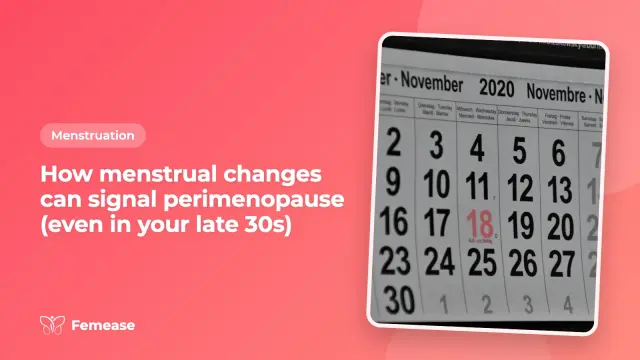
Periods changing in your late 30s? Learn the period signs of early perimenopause, other signs women miss, and when to see a gynaecologist for tests.
After menopause, regular check-ups matter even if you feel well. See which tests to ask about, from bone density and thyroid to heart and breast checks.
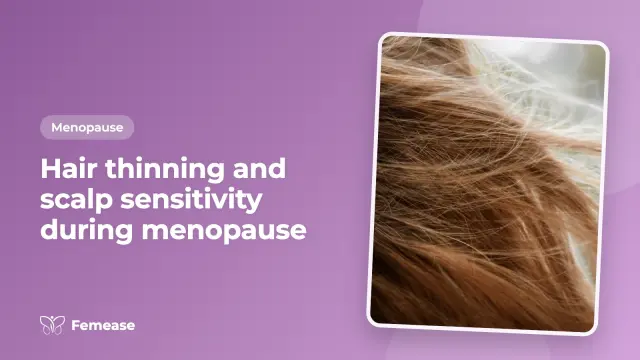
Yes, hair often thins in menopause as hormones fall, and the scalp can turn dry or tender. See why it happens, what helps and when to see a doctor.
Yes, weight gain around menopause is common even if you eat the same. See how hormones, belly fat, slower metabolism and blood sugar matter, and what helps.
After menopause, lower oestrogen changes bones, heart, weight and mood. Learn what to expect, from vaginal dryness to sleep, and when to see a doctor.
Sleep gets harder in menopause as hormones fall and hot flashes interrupt. Learn why, what helps your bedroom and routine, and when to talk to a doctor.
New allergies in your 40s or 50s? Learn how menopause can change your immune response, common symptoms, what you can do, and when to get medical help.
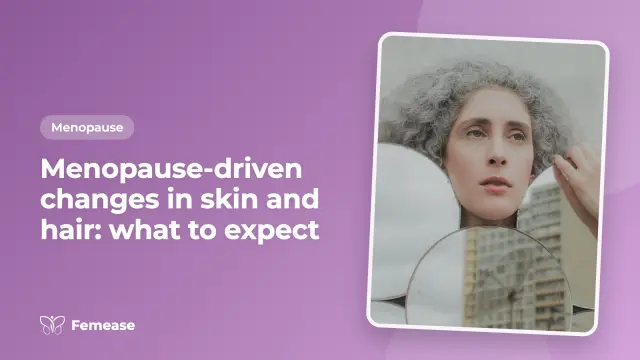
As oestrogen falls, skin turns drier and thinner and hair may thin and shed more. See what to expect in menopause and what helps your skin and hair.
Yes, menopause can slow digestion. Learn why bloating, gas and constipation increase as oestrogen drops, and what helps with food, water and movement.
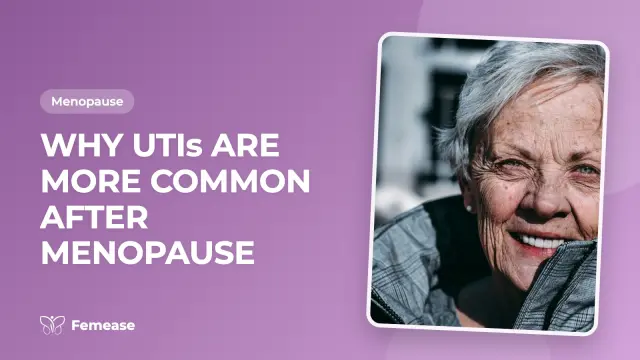
Getting UTIs often after menopause? Learn how falling estrogen and vaginal pH changes raise UTI risk, signs to watch for, and why to see a gynaecologist.
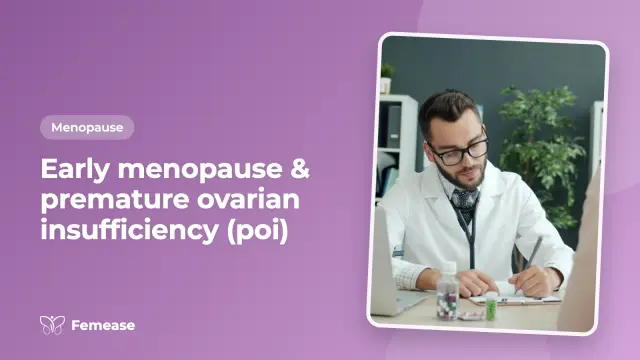
Early menopause means periods stop before 45. POI means ovaries stop working normally before 40. Learn the difference, signs and when to see a doctor.
Swollen lymph nodes are not a typical menopause sign and usually come from infection. See what hormones do to fluid, puffiness and when to see a doctor.
Cancer care can bring on sudden menopause. See how it differs from usual menopause, how hot flashes, sleep and mood change, and why to plan with your doctors.
After menopause, falling oestrogen raises heart risk. See why it happens, quiet warning signs in women and how to protect your heart with food and movement.
Hot flashes are sudden waves of heat, and night sweats are the same in sleep. Learn why falling oestrogen causes them, what helps and when to see a doctor.
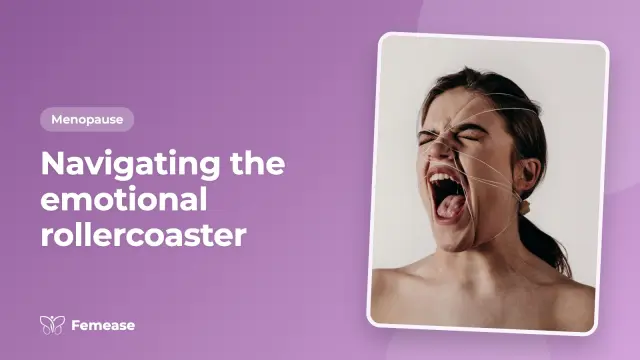
Yes, menopause can affect your emotions. Learn why hormones bring mood swings, anxiety and brain fog, and which coping strategies can help you through it.