Understanding menopause-induced weight gain
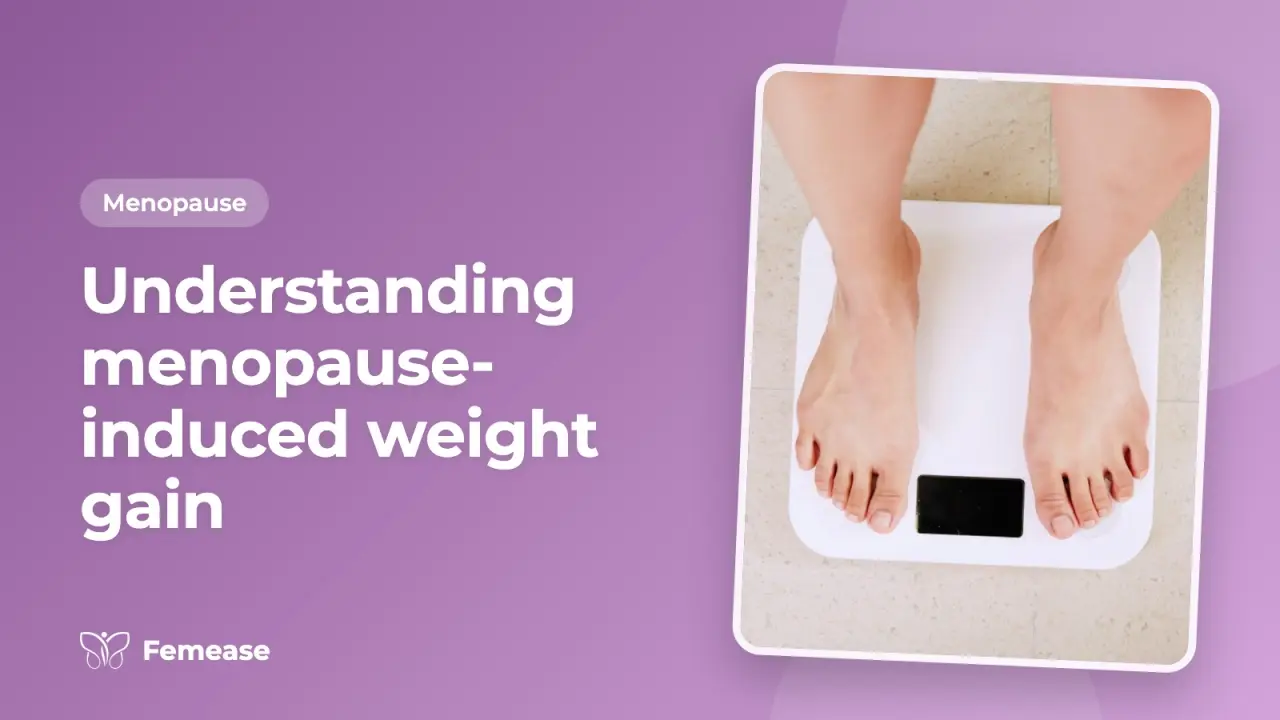
In short: Weight gain around menopause is common, even when you eat and move the same as before. Falling oestrogen moves fat to the tummy, muscle slowly reduces so you burn less at rest, and the body handles sugar less well. Fibre-rich meals with enough protein, fewer sugary and refined foods, strength exercise, good sleep and less stress all help. If weight changes suddenly or comes with tiredness or other new symptoms, see a doctor to check your thyroid and blood sugar.
“I eat the same. I move the same. But somehow, the scale just keeps climbing.”
If you have found yourself saying this during your 40s or 50s, you are far from alone. Weight gain during menopause is not just frustrating; it can feel like a betrayal. But here is the truth: your body is not failing you. It is simply changing, and understanding those changes can be the key to regaining your power (and peace of mind).
In this blog, we will break down what is going on with your metabolism, belly fat, and insulin resistance, and offer real, sustainable ways to support your body through this transition.
1. First, let us talk hormones (spoiler: it is not just about estrogen)
When we talk about menopause, estrogen usually takes the spotlight. As estrogen levels drop, the body tends to redistribute fat, especially around the belly. But other hormones join the party too:
- Progesterone: Often declines earlier than estrogen, leading to water retention and bloating.
- Cortisol: Your stress hormone might spike more easily, contributing to stubborn abdominal fat.
- Insulin: Your body can become more resistant to insulin, which means sugar gets stored as fat more easily.
This hormonal symphony means your metabolism slows down, and the way your body stores and uses energy changes.
2. The belly fat mystery, solved
One of the most common complaints post-40 is: “Where did this belly come from?”
Here is the science:
- Fat used to be more evenly distributed on your body. Now, visceral fat (the kind that sits around your organs) starts to accumulate around the abdomen.
- This is not just about appearance; visceral fat is metabolically active and contributes to higher risks of heart disease and diabetes.
- Even if your weight stays the same, your body composition may shift, meaning more fat, less muscle.
3. Metabolism: Slower, not broken
With age and hormonal shifts, muscle mass naturally declines. Since muscle burns more calories than fat, a lower muscle-to-fat ratio means fewer calories burned at rest.
Plus, your thyroid function may subtly change, affecting metabolism even further. But here is the good news: your metabolism is not broken; it is adaptable. You just need to support it in smarter ways now.
4. Insulin resistance: The hidden culprit
As estrogen drops, your cells may become less sensitive to insulin, the hormone that helps regulate blood sugar. That is why:
- You might crave carbs or sugar more.
- You may feel hungrier, even after eating.
- Fat storage happens faster and stays longer.
The result? Unexplained weight gain, especially around the waist.
5. What can you do
This is not about going on a crash diet or hitting the gym harder. It is about working with your changing body:
Balance blood sugar
- Opt for low-glycemic, fiber-rich foods like oats, lentils, leafy greens, and berries.
- Reduce simple sugars and refined carbs.
- Eat balanced meals with protein, healthy fats, and fiber to keep insulin steady.
Prioritize protein & strength training
- Aim for 20–30 grams of protein per meal to support muscle.
- Incorporate resistance training 2–3x a week to maintain lean muscle and boost metabolism.
Sleep & stress management
- Lack of sleep increases ghrelin (the hunger hormone) and cortisol, both of which can contribute to belly fat.
- Try meditation, yoga, or even deep breathing to calm your nervous system.
Cycle in movement you enjoy
- You do not need a punishing workout. Dancing, walking, Pilates, and swimming all count.
- Consistency is more important than intensity at this stage.
Listen to your body
Menopause is an invitation to slow down and tune in, not ignore or fight your body.
Questions women ask
Why do women gain weight during menopause?
As oestrogen falls, the body stores more fat around the tummy. Muscle naturally reduces with age, so you burn fewer calories at rest. Your cells can also respond less well to insulin, and stress and poor sleep raise cortisol, which adds to belly fat.
How can I lose belly fat during menopause?
Focus on steady habits, not crash diets. Choose fibre-rich foods like oats, dal and leafy greens, cut down on sugar and refined flour, and include protein in every meal. Strength training a few times a week, regular walking, good sleep and stress relief like yoga all help.
Is it possible to lose weight during menopause?
Yes. Your metabolism is slower, not broken. It may take longer than before, but building muscle, eating balanced meals that keep blood sugar steady, and staying consistent with movement you enjoy can help you lose weight and keep it off.
Is belly fat after menopause harmful?
Fat stored deep around the tummy is linked to a higher risk of heart disease and diabetes, so it matters for health and not just looks. Ask your doctor to check your blood pressure, blood sugar and cholesterol regularly.
When should I see a doctor about weight gain in menopause?
See a doctor if you gain weight quickly without changing how you eat, or it comes with extreme tiredness, feeling cold, swelling, or a lot of thirst. These can point to thyroid problems or diabetes, which need proper tests and care.
General information, not medical advice. Talk to a doctor about your own health.
Talk to a gynaecologist about menopauseKeep reading in the Femease app
Save articles, track your cycle or pregnancy, and talk to a doctor when you need one.
Keep reading
Understanding menopause
What is menopause? Learn the stages, from perimenopause to postmenopause, common symptoms like hot flashes and poor sleep, and ways to manage them.

Why when you eat is just as important as what you eat
Understanding your body’s internal clock could be the key to better metabolism, weight management, and long-term health

Hack your metabolism the natural way
Discover how to retrain your body to burn fat and carbs efficiently, no extreme diets, just smarter habits.

What happens after menopause?
Post-menopause symptoms, long-term health risks, and how to care for your changing body.

Hair thinning and scalp sensitivity during menopause
Understanding the root causes, nurturing your follicles, and adjusting your haircare routine through this hormonal shift.

How sleep supplements work differently in menopausal women
Magnesium and adaptogens for sleep after 45? How menopause changes your sleep, what these supplements can and cannot do, and why to ask your doctor first.
