How sleep supplements work differently in menopausal women
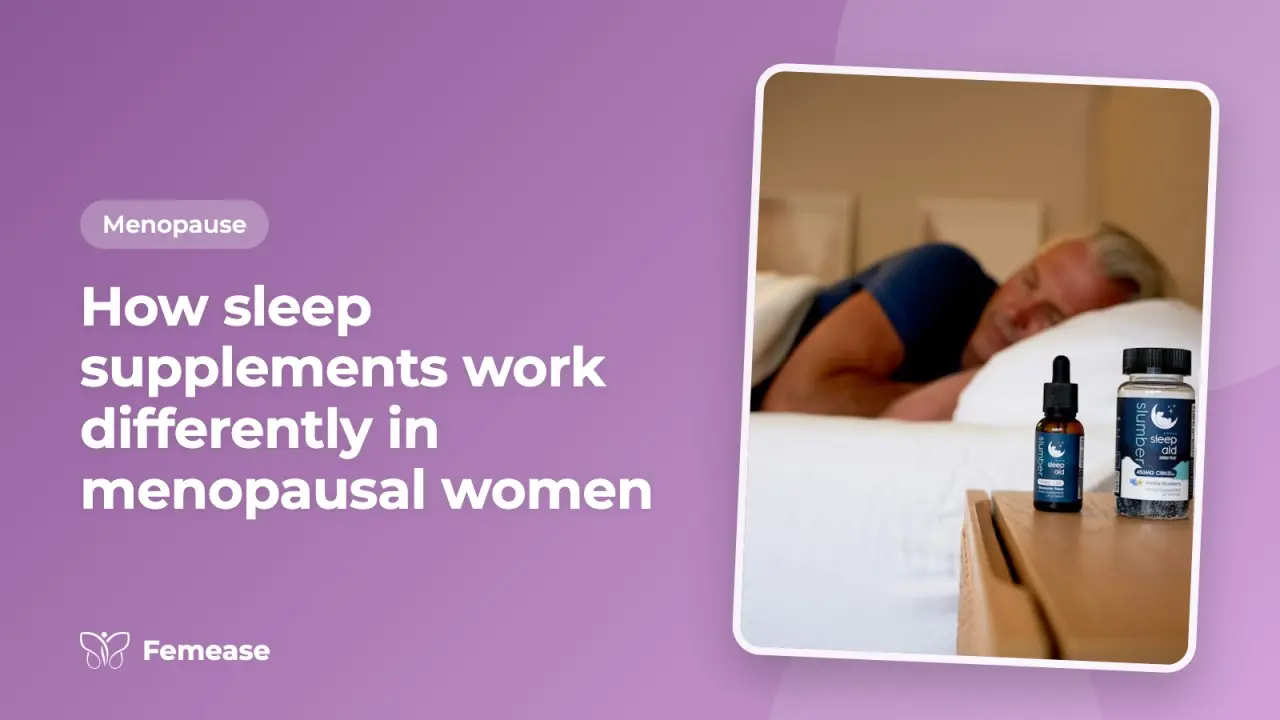
In short: Sleep often gets harder in perimenopause and menopause because oestrogen and progesterone fall, your body makes less melatonin, and hot flashes, night sweats, anxiety and leg cramps keep waking you. A cool, dark bedroom, no caffeine after the afternoon, a calm wind-down routine and no screens before bed help a lot. Check with a doctor before taking any sleep supplement, and see a gynaecologist if poor sleep is affecting your days.
Sleep. It used to come so easily, like slipping into a warm bath. But somewhere after 45, everything changed. You are tired, yet wide awake at 2 a.m., staring at the ceiling. Hot flashes, restless legs, and anxiety it is a full-body rebellion.
If you are in perimenopause or menopause, you are not imagining it. Sleep is different now, and your body does not respond to sleep supplements the same way it did in your 30s. That is because hormonal shifts, especially the decline in estrogen and progesterone, deeply impact your sleep-wake cycle.
So, what actually helps, and where do sleep supplements fit in?
1. Your body's own melatonin: Why falling asleep gets harder
What it does: Melatonin is a hormone your body naturally produces to regulate sleep. It signals to your brain that it is time to wind down.
Why it changes post-45: As you age, especially post-menopause, your natural melatonin levels decline. That is part of why falling asleep becomes harder. But menopausal insomnia is not just a melatonin issue. It is also driven by hormonal fluctuations, mood disorders, and temperature dysregulation (hello, night sweats!). If falling asleep is your main struggle, a doctor can explain the treatment options that suit you.
2. Magnesium-rich foods: Helpful, but check before supplements
Magnesium helps muscles relax and supports a calm nervous system. Foods like pumpkin seeds, whole grains, bananas, leafy greens and nuts are good sources; talk to your doctor before taking any herb or supplement, as they can tell you if you need one.
3. Stress and sleep: Calming the "wired but tired" feeling
Stress can leave you feeling "wired but tired" at night, so gentle wind-down habits like deep breathing or a short evening walk help. In Ayurveda, ashwagandha is traditionally used to help the body cope with stress and settle into restful sleep, and many families sip tulsi (holy basil) tea in the evening for its calming feel. These work alongside, not instead of, your doctor's care. If you are pregnant, breastfeeding, have a health condition or are on treatment, check with your doctor before taking any herb.
So, what does work best for menopausal sleep troubles?
Every woman is different, but most benefit from a multi-pronged approach. Here is a simplified guide:
Talk to your doctor if you struggle to fall asleep at a regular time. Talk to your doctor if hot flashes, night sweats, anxiety or cramps keep waking you; treating these often helps sleep the most.
Pair this with lifestyle upgrades like:
Keeping your bedroom cool and dark.
Avoiding caffeine after 2 p.m.
Winding down with calming rituals, like reading, stretching, or journaling.
Ditching screens 60 minutes before sleep.
Menopause is a major transition, not a malfunction. The sleep struggle is real, but there’s hope. Supplements are not proven fixes, so check with your doctor before trying any. Your body is changing, and it is asking for a new kind of care.
Start slow, stay consistent, and above all, listen to what your body is telling you. Sometimes, the best sleep solution is not the strongest fix, it is the most mindful approach.
Questions women ask
What causes insomnia during menopause?
Falling oestrogen and progesterone affect your sleep-wake cycle, and melatonin levels drop with age. Hot flashes, night sweats, stress, anxiety, restless legs and muscle cramps add to it, so you may feel tired yet wide awake at 2 a.m.
Does magnesium help with menopause sleep?
Magnesium helps muscles relax and calms the nervous system, and low levels are linked to poor sleep, anxiety and cramps. Start with foods like pumpkin seeds, whole grains, bananas, leafy greens and nuts. Check with a doctor before taking any magnesium supplement; they can tell you if you need one.
Do herbal remedies help menopause sleep?
Herbal remedies are not proven to fix menopause sleep problems, and some can affect the thyroid or liver or clash with other treatment. Talk to a doctor before trying any herb or supplement; better sleep habits and treating hot flashes usually help more.
How can I sleep better during perimenopause naturally?
Keep your bedroom cool and dark, avoid caffeine after 2 p.m., switch off screens an hour before bed, and wind down with reading, stretching or journalling. Regular movement in the day and time to manage stress help your body settle at night too.
When should I see a doctor for menopause sleep problems?
See a gynaecologist if poor sleep lasts for weeks, leaves you exhausted in the day, or comes with heavy night sweats, low mood or anxiety. A doctor can find the cause and suggest the right treatment. If you have any thoughts of harming yourself, get help straight away: call Tele-MANAS on 14416 or go to the nearest emergency.
General information, not medical advice. Talk to a doctor about your own health.
Talk to a gynaecologist about menopauseKeep reading in the Femease app
Save articles, track your cycle or pregnancy, and talk to a doctor when you need one.
Keep reading
Post-menopausal health screening checklist
Health checks after menopause: a screening checklist covering bone density, thyroid, heart, vitamin D and B12 and more, and why each test matters.

Effects of caffeine on women’s hormones
How coffee affects cortisol, estrogen, and sleep quality differently for women, especially during PMS or perimenopause.

Fertility in women by age: what changes after 30, 35 and 40
How a woman's fertility changes with age, what happens after 30, 35 and 40, what an AMH test can and cannot tell you, and when to see a gynaecologist.
Understanding menopause-induced weight gain
What is happening with metabolism, belly fat, and insulin resistance, and how to work with your body, not against it.

Allergies and menopause: why they can get worse
New allergies in your 40s or 50s? Learn how menopause can change your immune response, common symptoms, what you can do, and when to get medical help.
What happens after menopause?
Post-menopause symptoms, long-term health risks, and how to care for your changing body.
