What happens after menopause?
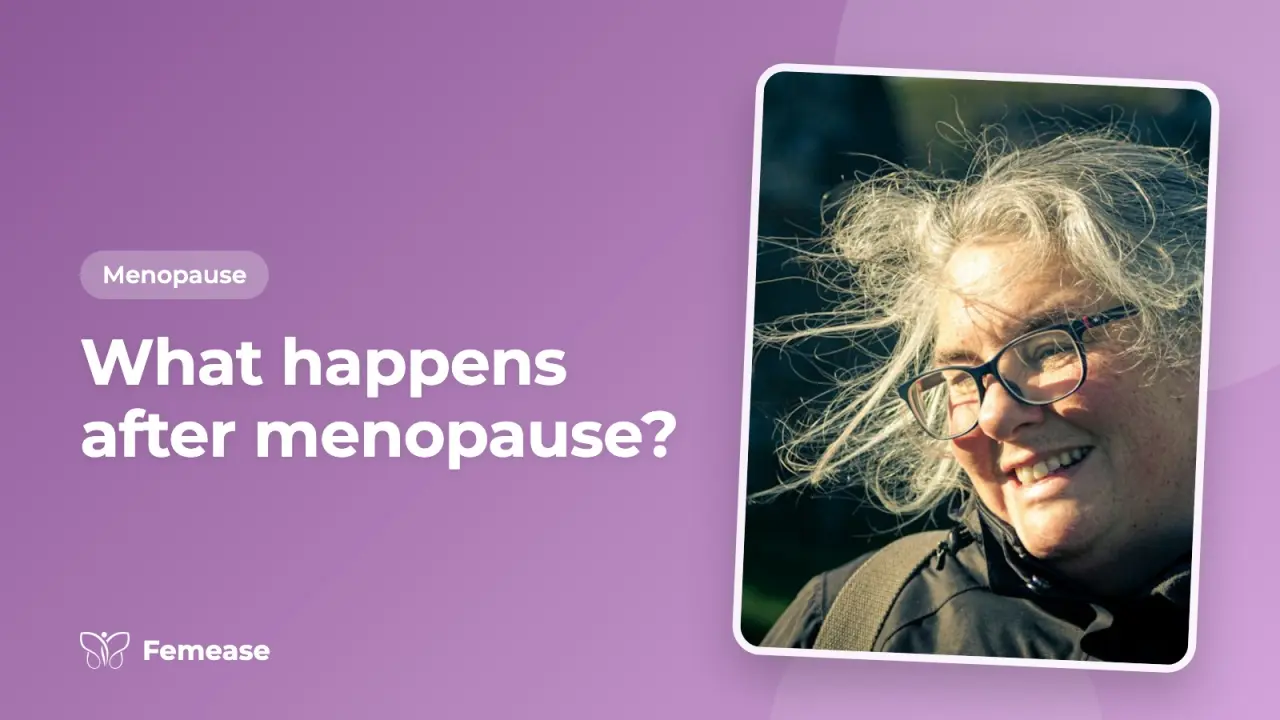
In short: After menopause, lower oestrogen changes your body in lasting ways. Bones can thin faster, the risk of heart disease rises, weight tends to settle around the tummy, and vaginal dryness or lower desire are common. Mood swings often calm down, though sleep problems can carry on. Regular checkups, calcium-rich food, staying active and good sleep help a lot. Any bleeding after menopause is not normal, so see a gynaecologist soon if it happens.
“I thought menopause was the end of the story. Turns out, it is just the start of a new chapter.”
For many women, reaching menopause feels like crossing a finish line, goodbye periods, hot flashes, and hormone chaos. But what happens after that? What does life after menopause look like? And more importantly, how do you take care of your body in this new stage?
Common health changes in post-menopause
Here is what you might notice (and what your body’s quietly going through) during post-menopause:
1. Bone health becomes a priority
Estrogen plays a big role in maintaining bone density. After menopause, you are at a higher risk of osteoporosis and fractures. That does not mean your fate is sealed, but it does mean it is time to get serious about calcium, vitamin D, weight-bearing exercises, and bone density screenings.
2. Heart health deserves attention
Your heart loses some of the natural protection estrogen offers. This can increase your risk of heart disease, which is the leading cause of death in postmenopausal women. Watch your blood pressure, cholesterol, and consider heart-friendly foods like oats, leafy greens, and omega-3s.
3. Weight and metabolism might shift
You might find it easier to gain weight, especially around the abdomen, and harder to lose it. This is partly due to a slowed metabolism and changes in fat distribution. It is not just about looks; it affects insulin sensitivity and heart risk, too.
4. Sexual wellness can change
Vaginal dryness, discomfort during sex, or reduced libido are common but often whispered about. You are not alone, and solutions exist, like vaginal moisturizers, lubricants, and treatment options your doctor can explain.
5. Mental and emotional well-being
Mood swings often calm down post-menopause, but some women report lingering anxiety, memory issues, or even depression. Hormonal shifts, sleep problems, and life transitions (like empty nests or retirement) can play a role.
Planning for your body’s needs
The good news? You can feel vibrant and strong after menopause; it just requires a bit more intentional care.
Schedule regular screenings
Pap smears, mammograms, bone scans, and heart checkups, routine tests are more crucial than ever. Prevention is your best ally.
Nourish your body differently
Increase your intake of calcium-rich foods, lean protein, and fiber. Reduce added sugar and processed foods. A registered dietitian can help tailor your needs.
Stay active (It is non-negotiable)
Exercise helps with bone strength, heart health, weight management, mood, and sleep. Aim for a mix of strength training, cardio, and flexibility-focused movement like yoga or walking.
Sleep: do not compromise
Insomnia or fragmented sleep can persist after menopause. Prioritize a calming bedtime routine, reduce screen time, and seek help if it is chronic.
Talk to your doctor about treatment (if needed)
If symptoms are affecting your quality of life, a doctor can explain the treatment options that suit you.
Post-menopause does not mean aging overnight; it means learning how to tune into your body’s new rhythm. You have spent decades caring for others. This stage is about caring for yourself with the same energy, empathy, and commitment.
Questions women ask
What happens to a woman's body after menopause?
Oestrogen stays low, so bones can lose strength, heart risk goes up, and fat tends to collect around the tummy. Vaginal dryness and discomfort during sex are common. Many women feel calmer once hot flashes settle, but some notice anxiety, memory issues or poor sleep.
Is bleeding after menopause normal?
No. Once you have gone 12 months without a period, any bleeding or spotting, even a little and even years later, should be checked by a gynaecologist. It is often caused by something simple, but it must be checked to rule out serious causes.
Can I get pregnant after menopause?
Once you have gone a full 12 months without a period, natural pregnancy is no longer possible because the ovaries have stopped releasing eggs. In the years before that, during perimenopause, pregnancy can still happen, so keep using contraception until your doctor says you can stop.
Is white discharge normal after menopause?
A small amount of thin, clear or white discharge can be normal. See a gynaecologist if it smells bad, is yellow, green or brown, is mixed with blood, or comes with itching, burning or pain.
How can I stay healthy after menopause?
Get regular checkups such as Pap smears, mammograms, bone scans and heart checks. Eat calcium-rich food, enough protein and fibre, and less added sugar. Stay active with walking, strength exercise and yoga, and protect your sleep. A doctor can explain treatment options if symptoms affect your daily life.
General information, not medical advice. Talk to a doctor about your own health.
Talk to a gynaecologist about menopauseKeep reading in the Femease app
Save articles, track your cycle or pregnancy, and talk to a doctor when you need one.
More about menopause
Heart health risks post menopause
Heart disease after menopause? Learn why heart risk rises after menopause, symptoms women should not ignore, and everyday steps to protect your heart.
How menopause affects the lymphatic sysytem
Puffiness or swelling in menopause? Learn how changing hormones can affect your lymphatic system, signs to notice, and gentle habits that may help.
Menopause-driven changes in skin and hair: What to expect
How collagen loss, dryness, and scalp changes hit post-40 and how to support your body through it.
Understanding menopause
What is menopause? Learn the stages, from perimenopause to postmenopause, common symptoms like hot flashes and poor sleep, and ways to manage them.
How sleep supplements work differently in menopausal women
Magnesium and adaptogens for sleep after 45? How menopause changes your sleep, what these supplements can and cannot do, and why to ask your doctor first.
Understanding menopause-induced weight gain
What is happening with metabolism, belly fat, and insulin resistance, and how to work with your body, not against it.
