How menopause affects the lymphatic sysytem
In short: Falling oestrogen around menopause may slow the body's fluid drainage a little, which some women notice as puffiness in the face, hands or ankles. Swollen lymph nodes, though, are not a typical sign of perimenopause. They most often come from an infection like a cold or sore throat and settle within a couple of weeks. See a doctor if a lymph node stays swollen for more than two weeks, feels hard or fixed, keeps growing, or comes with fever or unexplained weight loss.
When we think of menopause, the usual suspects come to mind: Hot flashes, night sweats, mood swings, and weight gain. But there’s another player behind the scenes that rarely gets the spotlight: your lymphatic system.
Yes, the network of vessels, nodes, and fluid that helps drain extra fluid and support your immune system. Turns out, menopause can throw this system a curveball, and while it’s subtle, it can have a ripple effect on your overall well-being.
Let’s break this down in an honest, relatable way.
First, what exactly is the lymphatic system?
Think of your lymphatic system as your body's natural drainage and defense system. It moves a fluid called lymph, which carries white blood cells, waste products, and excess fluid away from tissues and toward lymph nodes—those tiny filtering hubs scattered across your neck, underarms, and groin.
It's essential for:
Immune function (fighting infections)
Fluid balance (preventing swelling)
Waste removal (clearing cellular waste)
When the system gets sluggish, it shows—sometimes as puffiness, fatigue, frequent infections, or just feeling “off.”
So what happens during menopause?
Here’s the reality: menopause doesn’t just affect your ovaries. It influences nearly every system in your body, including the lymphatic system.
1. Hormonal shifts slow things down
Estrogen is a multitasker. Besides regulating your reproductive cycle, it also keeps lymphatic vessels toned and working efficiently. When estrogen drops during menopause, lymphatic flow may slow down, which can lead to fluid retention, swelling, or that heavy, bloated feeling.
2. Inflammation can increase
Lower estrogen levels are also linked to increased systemic inflammation. That matters because the lymphatic system is partly responsible for cleaning up inflammatory byproducts. With increased inflammation and a less efficient drainage system, the body may feel sluggish and more prone to aches or immune responses.
3. Weight gain adds pressure
It’s not just about the scale. Extra body fat, especially around the abdomen, can physically compress lymph vessels. Plus, fat cells produce inflammatory chemicals, adding to the already increased burden on your lymphatic system. It’s a loop that can feel hard to break.
Real-life signs your lymphatic system may be struggling
If you're going through menopause and notice any of the following, your lymphatic system might be under pressure:
Puffiness in your face, hands, or ankles
Frequent sinus infections or colds
Skin changes (like dryness or breakouts)
Tender or swollen lymph nodes (these usually come from an infection, not menopause; see a doctor if one lasts more than two weeks)
Low energy or brain fog
These signs aren’t always obvious. They sneak in and often get written off as “just menopause stuff,” but they’re worth paying attention to.
What can you do about it?
Here’s the empowering part: you can support your lymphatic system naturally. A few small daily practices go a long way.
Stay hydrated
Lymph fluid is mostly water. Dehydration thickens it, slowing everything down. Aim for 8–10 glasses a day.
Gentle movement
Your lymph system doesn’t have a pump like your heart—it relies on muscle movement to keep things flowing. Walking, yoga, or even bouncing on a mini trampoline can help keep fluid moving.
Dry brushing & massage
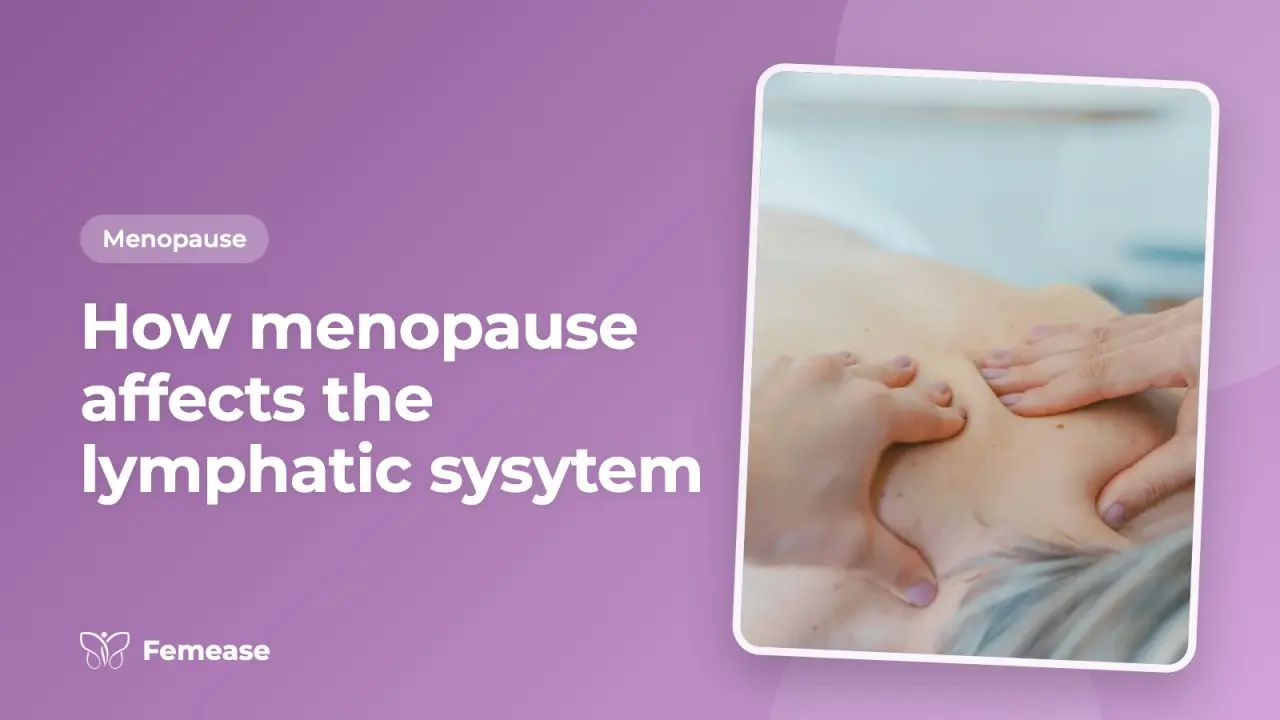
Lightly brushing your skin toward the heart or trying lymphatic drainage massages may help some women feel less puffy.
Eat for your lymph
Anti-inflammatory foods like leafy greens, berries, turmeric, garlic, and fish or walnuts can lighten the system’s load.
Sleep and stress reduction
Chronic stress and poor sleep suppress immune function and create more waste in the body. Prioritize rest, meditation, or simply quiet time.
Menopause is a profound transition, not just hormonally, but in how your body manages waste, immunity, and inflammation. The lymphatic system often gets overlooked, but supporting it may help you feel lighter, clearer, and more resilient. If you're feeling bloated, tired, or “just not yourself” during menopause, don’t dismiss it. It could be your lymphatic system quietly asking for help.
Questions women ask
Can perimenopause cause swollen lymph nodes?
Perimenopause is not a usual cause of swollen lymph nodes. Swollen nodes in the neck, armpit or groin most often come from an infection nearby, such as a sore throat or a small skin cut. Any node that does not settle within about two weeks should be checked by a doctor.
Does menopause affect the lymphatic system?
Oestrogen helps keep body fluids moving well, so when it falls, some women notice more puffiness or water retention. Weight gain around the tummy and more inflammation may add to this. Regular movement, enough water, good sleep and less stress all help.
How can I reduce puffiness and fluid retention during menopause?
Move every day, even a walk or gentle yoga, because muscles help push fluid along. Drink enough water, eat plenty of vegetables, fruits and less salty, packaged food, and put your feet up when ankles swell. Gentle massage towards the heart may help too.
When should a swollen lymph node be checked urgently?
See a doctor soon if a node is hard, does not move, is growing, or lasts more than two weeks, or if you also have fever, night sweats that soak your clothes, or weight loss you cannot explain. A new lump in the breast or armpit always needs a doctor's check.
General information, not medical advice. Talk to a doctor about your own health.
Talk to a gynaecologist about menopauseKeep reading in the Femease app
Save articles, track your cycle or pregnancy, and talk to a doctor when you need one.
Keep reading
Menopause and digestive system slowdown
Why your digestion might feel sluggish during menopause and what you can do about it

What happens after menopause?
Post-menopause symptoms, long-term health risks, and how to care for your changing body.
How the menstrual cycle affects other body systems
From mood swings to muscle cramps, understanding the full-body impact of your monthly hormones
Understanding menopause
What is menopause? Learn the stages, from perimenopause to postmenopause, common symptoms like hot flashes and poor sleep, and ways to manage them.

Menopause in cancer survivors
Menopause after cancer treatment? Learn how sudden, treatment-led menopause differs from menopause with age, and how to manage it with your doctor.
Early menopause & premature ovarian insufficiency (poi)
Menopause in your 20s or 30s? Learn what early menopause and premature ovarian insufficiency (POI) are, the symptoms, causes, diagnosis and support.
