How the menstrual cycle affects other body systems
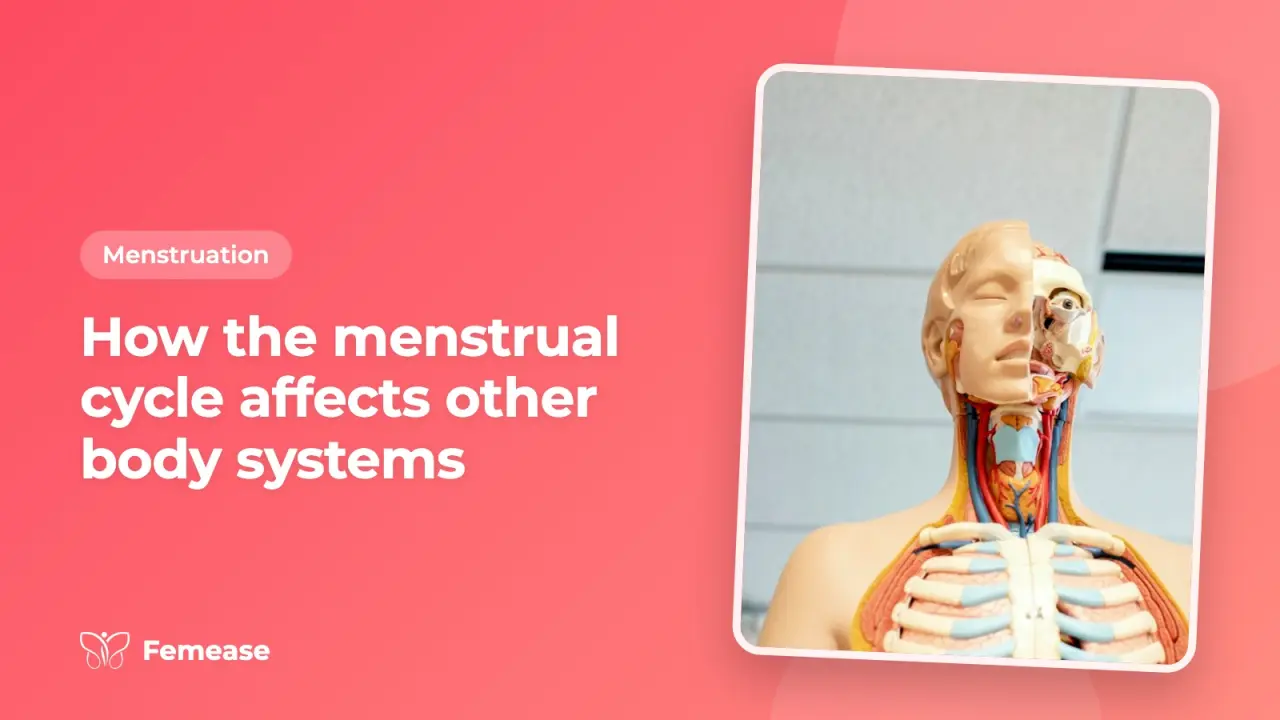
In short: Your menstrual cycle is not only about bleeding. The rise and fall of oestrogen and progesterone each month can change your mood, sleep, digestion, skin, energy and even how your muscles feel. So constipation, pimples, poor sleep or feeling low before your period are usually normal. See a gynaecologist if these symptoms are severe, keep getting worse, or stop you from doing your daily work.
When we think about the menstrual cycle, we often picture cramps, mood swings, or the arrival of a monthly period. But the truth is, menstruation is just one part of a much larger hormonal cycle that influences nearly every system in the body, from your brain to your gut and even your skin.
1. The Brain and mood: Hormones on a rollercoaster
Ever feel foggy before your period or overly emotional during PMS? You're not imagining it.
Your brain is highly sensitive to changes in estrogen and progesterone, the two key hormones involved in your cycle.
- Estrogen tends to enhance mood, focus, and energy. That's why many women feel most mentally sharp and upbeat around ovulation when estrogen peaks.
- Progesterone, on the other hand, increases after ovulation and can bring on feelings of tiredness, anxiety, or sadness, classic PMS symptoms.
Fun Fact: Fluctuations in these hormones can also affect neurotransmitters like serotonin and dopamine, which are responsible for mood, motivation, and sleep.
2. Cardiovascular system: A monthly pulse
Hormonal fluctuations can also impact your heart and blood vessels.
- Estrogen helps keep blood vessels flexible and supports good cholesterol levels. That’s why heart health often shifts after menopause when estrogen levels drop.
- Around your period, blood pressure can slightly drop, and some people may feel more fatigued or dizzy.
If you notice changes in your heart rate, energy levels, or even palpitations before your period, it may be linked to hormonal changes, not just stress.
3. Digestive system: The gut-brain-hormone connection
Ever wonder why bloating, diarrhea, or constipation seem to align with your cycle?
That is because your digestive system is heavily influenced by progesterone.
- High levels of progesterone can slow digestion, causing constipation (especially in the second half of your cycle).
- Right before your period, prostaglandins, hormone-like chemicals, can speed up bowel movements, leading to diarrhea or cramping.
Also, estrogen plays a role in regulating gut bacteria, which affects everything from digestion to immunity.
4. Sleep patterns: Why it’s harder to snooze
You might notice that falling asleep or staying asleep gets harder before or during your period. That is no coincidence.
- Progesterone has a sedative effect, and as it drops right before menstruation, sleep quality can suffer.
- Body temperature also increases slightly after ovulation, which can make restful sleep a challenge for some.
Tip: Sleep hygiene and a cooler bedroom might help during this phase.
5. Skin and hair: Beauty from Within (and hormones!)
If you’ve ever experienced acne flare-ups before your period, you already know your skin is influenced by your cycle.
- Testosterone levels remain steady, but when estrogen and progesterone dip, it can cause a relative increase in androgens, leading to oilier skin and breakouts.
- Some women also report hair fall or dry scalp during menstruation due to fluctuating iron levels and inflammation.
Good skin care and hydration during your luteal phase (second half of the cycle) can help combat these issues.
6. Muscles and joints: That achy, heavy feeling
Hormonal changes can also affect muscle recovery, joint flexibility, and overall strength.
- Around menstruation, many report muscle soreness or increased fatigue with workouts.
- Estrogen has an anti-inflammatory effect, so when levels drop before your period, you may feel stiffer or more prone to injury.
Planning lighter workouts during menstruation and high-intensity sessions around ovulation can help you sync fitness with your cycle.
So, what can you do?
Understanding how your menstrual cycle affects your entire body isn’t just about tracking your period; it’s about listening to your body’s signals.
Here’s how to support your body through your cycle:
- Track symptoms along with your period dates
- Eat hormone-supporting foods (leafy greens, seeds, iron-rich foods)
- Prioritize rest when energy dips
- Adjust workouts according to energy levels
- Stay hydrated and care for your skin during hormone shifts
Your menstrual cycle isn’t just about bleeding; it is a monthly rhythm that influences nearly every body system. Recognizing these patterns can empower you to take better care of your physical and emotional health.
Questions women ask
How does the menstrual cycle affect the body?
Oestrogen and progesterone rise and fall through the month. Oestrogen tends to lift mood and energy around ovulation, while progesterone in the second half can make you sleepy, bloated or low. These shifts also touch your gut, skin, sleep, heart and muscles.
Is constipation before a period normal?
Yes, it is common. Progesterone is higher in the second half of the cycle and slows digestion, so many women feel constipated or bloated before their period. Then, just before bleeding starts, hormone-like chemicals can speed things up and cause loose motions. Water, fibre-rich food and gentle movement help.
Why do I get acne before my periods?
When oestrogen and progesterone dip before your period, male-type hormones have a relatively stronger effect, so the skin makes more oil and breakouts appear. Gentle skin care and drinking enough water help. If acne is severe, leaves scars, or comes with irregular periods or extra facial hair, see a doctor, as it can point to PCOS.
Why can't I sleep before my period?
Progesterone has a calming effect, and it drops just before your period, so sleep can get lighter. Your body temperature is also slightly higher after ovulation. A cooler room, a fixed bedtime and less screen time at night can help.
When should I see a doctor about period-related symptoms?
See a gynaecologist if your mood swings feel unmanageable, you get palpitations or dizziness, or symptoms disturb your work and sleep every month. Go to hospital straight away if you have chest pain, fainting, or bleeding that soaks a pad every hour. If you have thoughts of harming yourself, call Tele-MANAS on 14416 or go to the nearest emergency.
General information, not medical advice. Talk to a doctor about your own health.
Talk to a doctor about your periodsFrom the Femease store

For your period
My Cara Ultra-thin Sanitary Pads with Organic Cotton Top Layer (4M+4L+4XL)
12 pads (4 M, 4 L, 4 XL)
199 rupees

For your period
My Cara Ultra-thin Sanitary Pads with Organic Cotton Top Layer (20 Large)
20 Large pads
299 rupees
More about menstruation
Menstrual cycle and immunity
Catch a cold before your period? Learn how your immune system changes in each phase of your menstrual cycle, and simple ways to look after yourself.

How gut health affects your cycle
Bloating and mood swings with your period? Learn how your gut and hormones are linked, signs your gut may affect your cycle, and ways to support it.

The menstrual cycle’s impact on cognitive performance
Brain fog on your period? Learn how focus, memory and decision-making change across your menstrual cycle, and tips to work with each phase.
The Menstrual Cycle Decoded: Your Guide to Hormonal Harmony
Stop fighting your flow: How understanding the 4 phases can revolutionise your energy, mood, and fitness

Can't sleep before your period? Why it happens
Trouble sleeping in the days before your period? How progesterone and body temperature affect sleep, and what can help you rest.

Understanding hormonal testing for menstrual irregularities
Discover how simple blood tests can reveal the hidden causes behind menstrual irregularities, so you can take back control of your cycle and your health.
