Menstrual disorders: types and when to see a doctor
Menstrual disorders are period problems beyond the usual ups and downs. See heavy, painful, irregular and missed periods, PMS, PMDD, and when to see a doctor.
What a normal period looks like, why it changes, and the signs worth a doctor's look. Start with these guides, or browse every article below.
Talk to a doctor about your periodsMenstrual disorders are period problems beyond the usual ups and downs. See heavy, painful, irregular and missed periods, PMS, PMDD, and when to see a doctor.
Hypomenorrhea means unusually light periods. Common causes, from PCOS and thyroid problems to low body weight and stress, and when to see a doctor.
Heavy periods are a common reason for low iron. See how blood loss drains your stores, signs women ignore, who is at risk and when to get a blood test.
Learn the common signs of ovulation, when it usually happens, how irregular periods change the timing, and when ovulation pain needs a doctor.
Most ovarian cysts are harmless and go away on their own. Learn the symptoms, causes, how they differ from PCOS and which pain needs urgent care.
Fibroids are common, non-cancerous growths in the uterus. Learn the symptoms, causes, treatment options, fibroids in pregnancy and their meaning in Hindi.
Endometriosis symptoms include severe period pain, painful sex and heavy periods. Learn the causes, how it differs from PCOS and when to see a gynaecologist.
How to tell if your periods are too heavy, what causes heavy bleeding and clots, why it can leave you tired, and when to see a gynaecologist.

Why period cramps happen, simple home remedies and gentle exercises for relief, and the signs that period pain may need a gynaecologist's check.
Brown discharge is usually old blood. Learn why it appears before or after a period, in early pregnancy or with no period, and when to see a doctor.
Vaginal itching is common and usually easy to treat. Learn the causes, what discharge can tell you, safe home care, and when to see a gynaecologist.
Missed or late period but not pregnant? Learn when to test, common causes like stress, PCOS and thyroid, and the signs that need a doctor the same day.
White discharge is usually normal and changes through your cycle. Learn the signs of yeast infection, BV and other infections, and when to see a doctor.

PCOD and PCOS are usually the same condition. Learn the symptoms, how a doctor checks for it, the new name PMOS, and what it means for pregnancy.
Your cycle has four phases: period, follicular, ovulation and luteal. See how oestrogen and progesterone shift your energy and mood, and when to get help.
Yes, periods can set off a yeast infection or BV. See why, how thick white discharge differs from grey, fishy discharge, and when to see a doctor.
Irregular after stress, travel or poor sleep? Everyday habits around food, sleep and stress that support a steadier cycle, and when to see a doctor.

Yes, chills or hot flashes on your period are common. Falling hormones and prostaglandins are usually why. When it may be fever or low iron, and what helps.

Yes, periods change with age, from puberty to menopause. See what is normal in your 20s, 30s and 40s, and when cycle changes need a gynaecologist.
Hormone blood tests help a doctor see why your periods are irregular. Learn which tests like FSH, LH and thyroid are done, and how to prepare for them.
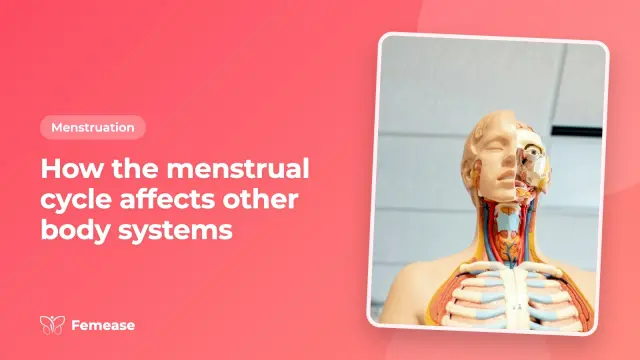
Yes, your cycle changes more than bleeding. See how hormones shift mood, sleep, digestion and skin each month, and when to see a gynaecologist.
Trouble sleeping in the days before your period? How progesterone and body temperature affect sleep, and what can help you rest.
Yes, many women get achy joints before or during periods. Learn the likely causes, like prostaglandins and hormone shifts, and when to see a doctor about it.
Many women feel more run-down before a period, and it is a normal hormone rhythm. See how immunity shifts across the four phases and when to see a doctor.
Cycles shorter than 21 or longer than 35 days are called irregular. See why stress, PCOS, sleep and diets affect young women, and when to see a gynaecologist.

Yes, many women smell different on their period. Hormones change your sweat, and period blood can smell metallic. When a fishy or foul smell needs a doctor.
For some women, yes. Caffeine and a lot of sugar can worsen bloating, sleep and cramps. You don't have to give up coffee: easy swaps for period days.
Your liver helps break down used oestrogen, one part of a balanced cycle. See how food, fibre, alcohol, sleep and stress fit in.
Why periods can leave you low on iron, the difference between iron and ferritin, and why a doctor's blood test is the way to know.
Magnesium helps muscles relax, so it may ease period cramps and PMS. Learn how it works, which foods are good sources and how much food can give.

Early puberty can leave girls confused, embarrassed or anxious. Learn what counts as early, possible causes including stress, and how parents can support her.
Yes, breasts often feel bigger, heavier and sorer before a period. See what is normal, why lumpiness happens, red flags to watch and how to ease discomfort.
Periods changing in your late 30s? Learn the period signs of early perimenopause, other signs women miss, and when to see a gynaecologist for tests.

Chocolate, salty or carb cravings before your period? Hormones and blood sugar are behind them. What each craving may mean, and satisfying swaps.
In your 40s, swinging hormones can make periods irregular, heavier or lighter. See what is normal in perimenopause and when to see a doctor.
Yes, you can bleed without ovulating. Learn what an anovulatory cycle is, why it happens, including PCOS, and when to see a doctor about it.

Yes, gentle breathwork is fine on your period for most women and may ease cramps and anxiety. See simple breathing practices and gentle yoga poses to try.
Tracking your period is about more than fertility. See how cycle changes can hint at thyroid issues or PCOS, why a record helps your doctor and how to start.

Bright red, brown or small clots are often normal. See what colour, texture and flow tell you, and when grey blood, a bad smell or large clots need a doctor.
Irregular periods, acne and intense mood swings before your period? How PCOS and PMDD overlap, why the link is often missed, and what you can do.

Yes, brain fog around your period is real. Learn how hormone shifts affect focus and memory through your cycle, and what can help you feel sharper.
A menstrual migraine is a strong headache linked to the drop in oestrogen around your period. Learn why it happens, who is at risk and habits that may help.

Yes, gut health can affect your periods, since gut bacteria help clear used oestrogen. Learn the gut-hormone link, the role of stress and what helps.

Period late after travel or in hot weather? A gynaecologist explains how climate, time zones and travel stress affect your cycle, and when to see a doctor.
With PCOS, periods are often irregular, missed, light or heavy. See what your normal may look like, how to track your cycle and when to see a gynaecologist.
PCOS is a common hormone condition with irregular periods, acne and extra hair. See the types, the tests doctors use and when to see a gynaecologist.

Talk early, keep it open and shame-free. Learn how to explain body changes, period products and hygiene, ease cramps and know when to see a gynaecologist.
Menopause is confirmed after 12 months with no period, usually between 45 and 55. See perimenopause signs and when to see a gynaecologist.
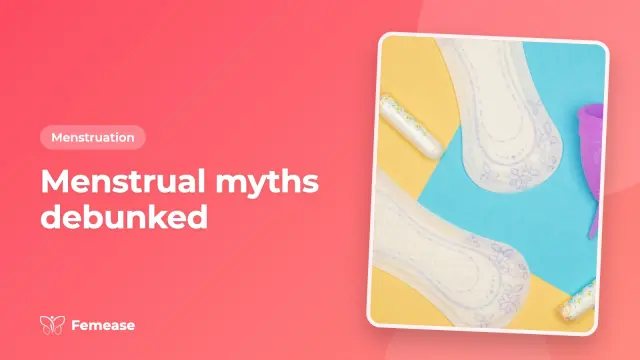
Most period myths are not true. See facts on bathing, hair wash, exercise and eating, whether you can get pregnant on your period, and why PMS is real.