Menstrual cycles and breast health
In short: Yes, many women find their breasts get a little bigger, heavier and sorer in the week or two before their period. Rising progesterone makes the milk ducts swell and the tissue hold more fluid, and this usually eases once bleeding starts. Breasts can also feel lumpier at this time. See a doctor if you find a lump that stays after your period, notice skin dimpling or nipple discharge, or have pain in one spot that does not go away.
Ever noticed your breasts feeling sore, fuller, or even a little lumpy before your period? You are not imagining things, and you are not alone.
Breast changes during the menstrual cycle are completely normal for many women. But knowing what is normal vs. what is concerning can help you stay in tune with your body and spot early warning signs if something is off.
First, what is happening each month?
Your menstrual cycle is a hormone-driven rollercoaster, with estrogen and progesterone taking the lead. These hormones do not just affect your uterus, they also have a direct impact on your breast tissue.
Your cycle can be divided into four phases:
- Menstrual Phase (Day 1-5) – Your period starts.
- Follicular Phase (Day 1–13) – Estrogen rises, prepping your body for ovulation.
- Ovulation (Around Day 14) – The egg is released.
- Luteal Phase (Day 15–28) – Progesterone increases, and PMS may creep in.
Each of these phases can trigger subtle (and not-so-subtle) breast changes.
Breast sensitivity and pain: What is normal?
Most common in the luteal phase (a week or two before your period), breast tenderness is one of the most talked-about PMS symptoms. You might feel:
- A dull ache
- Heaviness
- Swelling or fullness
- Nipple sensitivity
Why? Progesterone is doing its thing, prepping your body in case pregnancy happens. The breast ducts expand, and the tissue retains more fluid, causing that familiar soreness.
For many, this peaks just before their period and fades once bleeding starts.
Normal Tip: If your breast pain is symmetrical (both sides) and follows a monthly pattern, it is usually hormonal and nothing to worry about.
Lumpy or dense breasts: Should you be concerned?
Breasts often feel lumpier before your period. This is called fibrocystic breast changes, a common and harmless condition.
You might notice:
- Rope-like or grainy textures under the skin
- Cysts (fluid-filled sacs) that feel like soft lumps
- Increased lumpiness in the upper outer area of your breasts
These lumps may come and go with your cycle and tend to be more noticeable before your period due to hormonal shifts.
Normal Tip: If the lump feels soft, moves slightly when touched, and disappears or shrinks after your period, it is likely hormonal.
Red flags to watch for
While many breast changes are harmless, some deserve medical attention. Talk to your doctor if you notice:
- A new lump that does not go away after your period
- A lump that feels hard or has irregular edges
- Changes in breast size or shape not related to your cycle
- Nipple discharge (especially bloody or clear)
- Dimpling, puckering, or changes in skin texture
- Persistent pain in one spot
Early detection is key, especially if you have a family history of breast cancer.
How to manage breast discomfort naturally
You do not have to suffer through breast pain every cycle. Try these simple remedies:
- Wear a supportive bra (especially during workouts or sleep)
- Reduce caffeine and salt before your period
- Apply warm compresses for relief
- Stay active, gentle exercise can reduce PMS symptoms
- Track your cycle and note when breast changes occur
Being aware of your body’s rhythm can empower you to spot patterns and take better care of your breast health.
Make breast self-exams a habit
The best time to do a breast self-exam is a few days after your period ends, when hormone levels are lower, and your breasts are least tender.
Look for changes in:
- Shape or contour
- Skin texture
- Nipple position
- Any unusual lump or thickening
Do not stress about finding the “perfect technique”, just get familiar with what feels normal for you.
Your breasts are sensitive to hormonal shifts, and a little soreness or lumpiness is usually nothing to fear. But listening to your body and speaking up when something feels off is always the best move.
Questions women ask
Do breasts get bigger during your period?
They often swell slightly in the days before your period, not because they are growing but because the ducts expand and the tissue holds fluid. The fullness usually goes down once your period starts.
Why are my breasts sore before my period?
Hormone changes in the second half of your cycle make breast tissue swell and become tender. Pain on both sides that follows a monthly pattern is usually hormonal. A supportive bra, warm compresses, less salt and caffeine, and gentle exercise can ease it.
Is it normal for breasts to feel lumpy before a period?
Yes, many women have lumpy or rope-like breast tissue that feels more noticeable before their period and settles after. A soft lump that moves and shrinks after your period is usually hormonal.
When should I see a doctor about breast changes?
See a doctor if a lump stays after your period or feels hard and fixed, if the size or shape of a breast changes without reason, or if you notice bloody or clear nipple discharge, skin dimpling or pain in one spot that will not go away.
When is the best time to check my breasts?
A few days after your period ends, when breasts are least swollen and tender. Look and feel for changes in shape, skin, nipple position and any new lump. Learning what is normal for you makes changes easier to spot.
General information, not medical advice. Talk to a doctor about your own health.
Talk to a doctor about your periodsFrom the Femease store
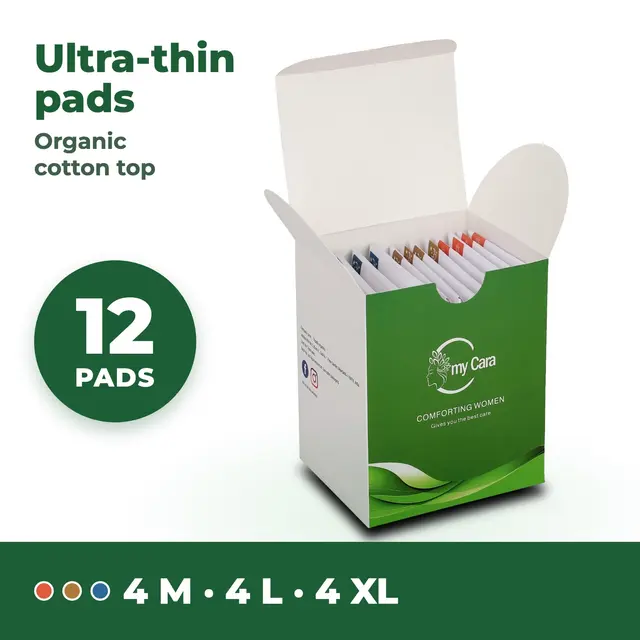
For your period
My Cara Ultra-thin Sanitary Pads with Organic Cotton Top Layer (4M+4L+4XL)
12 pads (4 M, 4 L, 4 XL)
199 rupees
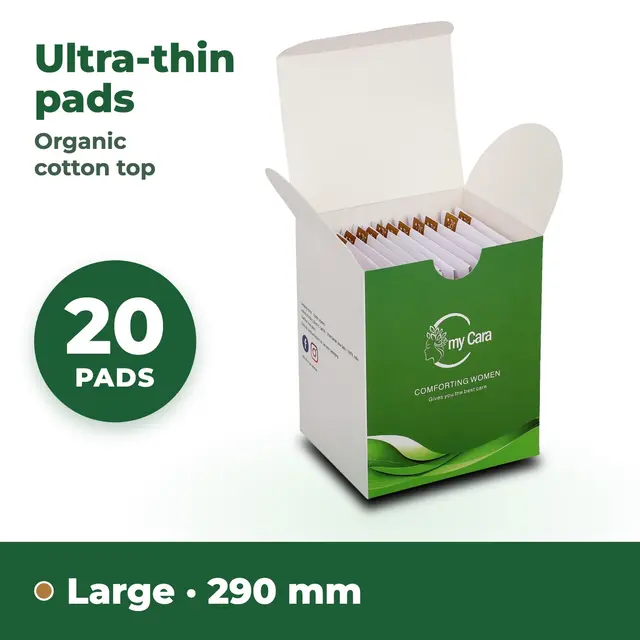
For your period
My Cara Ultra-thin Sanitary Pads with Organic Cotton Top Layer (20 Large)
20 Large pads
299 rupees
Keep reading
Breast size and shape changes after weaning
No one prepares you for the deflation, asymmetry, or “empty sock” feeling.
Breast pain reason: why it happens and when to worry
Why breasts hurt before periods, in pregnancy, while breastfeeding and in perimenopause, what helps at home, and when breast pain needs a doctor.
How your menstrual cycle changes over time
From puberty to menopause, here’s what’s normal, what’s not, and how to track your cycle through every life stage.
Menstrual cycle and immunity
Catch a cold before your period? Learn how your immune system changes in each phase of your menstrual cycle, and simple ways to look after yourself.
Perimenopause in your 30s: how your period can change
Periods changing in your late 30s? Learn the period signs of early perimenopause, other signs women miss, and when to see a gynaecologist for tests.
Early puberty and its emotional impact on girls
Understanding early puberty, what is causing it, and how parents can support their daughters through the change
