Early puberty in girls: emotional impact on children
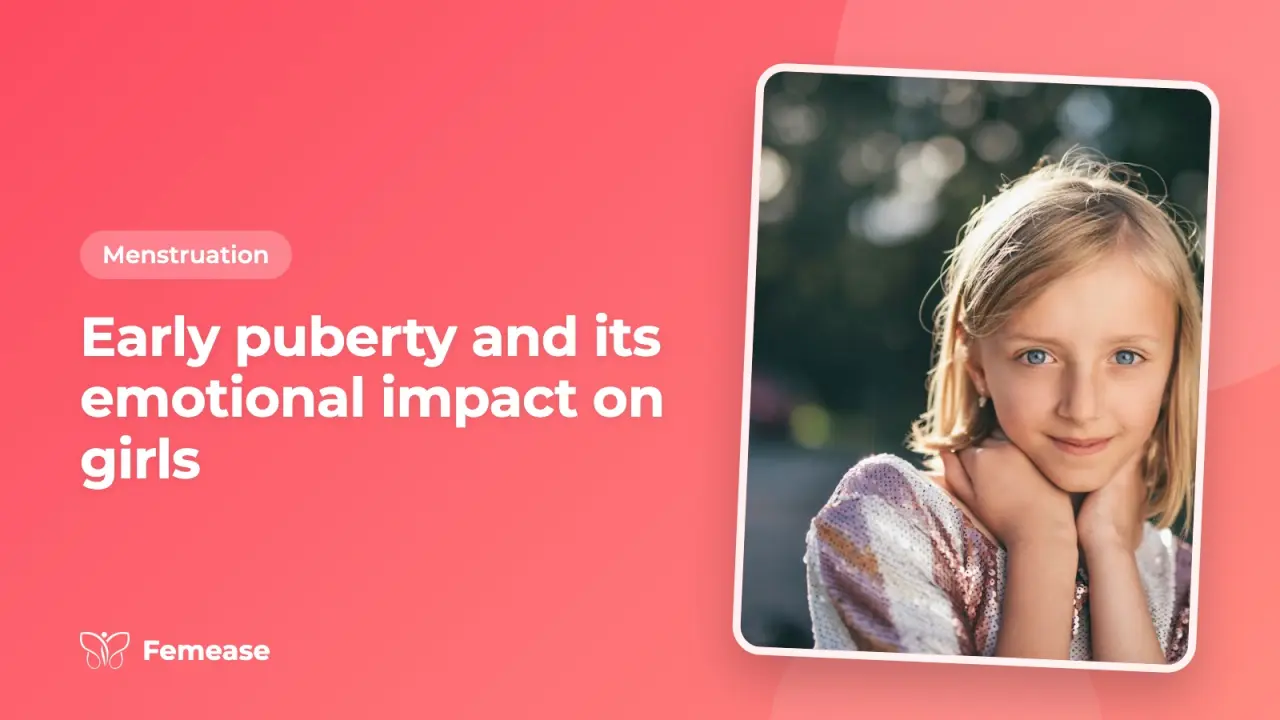
In short: Doctors call puberty early when a girl shows signs such as breast development before age 8. Long-term stress in early childhood, such as family conflict or the absence of a parent, is one of several things thought to play a part, along with extra body weight, genes and chemicals in the environment. Early puberty can leave girls feeling confused, embarrassed or anxious, so talk to her early and gently. If you notice signs before age 8, see a paediatrician.
Not long ago, it was considered "normal" for girls to get their first period around age 12 or 13. But today, more and more parents are seeing a surprising shift: girls are starting their periods as early as 8 or 9 years old. This change, known as early puberty or precocious puberty, is raising questions, concerns, and in many cases, anxiety for families.
So, why is this happening? What is behind this trend? And how can parents support their daughters through this early change?
What is early puberty?
Puberty is the phase when a child’s body begins to develop into an adult body capable of reproduction. For girls, this often starts with breast development, followed by growth spurts, body hair, and eventually menstruation (their first period, or menarche).
If these changes begin before age 8, it is medically considered early puberty.
Why are girls hitting puberty so early?
While there is no single cause, several factors are believed to contribute to early menstruation in girls today:
1. Hormonal disruptors in food and the environment
The modern world is full of substances that may interfere with hormone balance, from pesticides in food to chemicals in plastic containers. Some of these endocrine-disrupting chemicals (EDCs) can act like estrogen and are thought to play a part in early hormone changes in children.
2. Childhood obesity
Increased body fat can affect hormone levels. Fat tissue produces estrogen, and higher levels of estrogen can signal the brain that it is time for puberty to start, even if it is too soon. Girls with a higher body weight are more likely to start puberty early.
3. Genetics
If a girl’s mother or older sister experienced early puberty, it is more likely that she will too. Genes do play a role, but they often interact with environmental factors.
4. Stress and emotional trauma
Chronic stress, especially in early childhood, like family conflict, absence of a parent, or abuse, is thought to influence hormonal activity and may play a part in early development.
5. Lifestyle factors
Increased screen time, reduced physical activity, lack of outdoor exposure, and irregular sleep patterns, all common in modern childhood, may play subtle roles in shifting puberty timelines.
The emotional and social impact of early puberty
Getting your period at 8 or 9 is not just a physical change; it is an emotional one, too. Girls may feel confused, embarrassed, or isolated when they hit puberty before their peers. They may not have the language or maturity to express how they are feeling, which makes support at home critical.
They might:
- Feel self-conscious about body changes.
- Face teasing or inappropriate attention.
- Struggle with anxiety or mood swings.
- Be unprepared mentally for menstruation and personal hygiene.
This is why early and open communication is key. Talk to your daughter about body changes, emotions, and periods before she experiences them, even if it feels "too soon."
What can parents do?
Start the conversation early
Even if your daughter seems young, talk to her about puberty in an age-appropriate way. Let her know that every girl’s body is different and that early development does not mean anything is “wrong.”
Provide practical support
Teach her how to use pads, how to track her period, and how to care for herself. Make sure she has products she feels comfortable using, even at school.
Focus on nutrition & movement
Encourage balanced meals, regular physical activity, and quality sleep. Limit processed foods and sugary drinks that may affect weight and hormones.
Create a safe emotional space
Let her know she can talk to you about anything, without judgment or shame. Be her safe place.
If your daughter shows signs of puberty before age 8, consult a pediatrician or endocrinologist. In some cases, medical intervention may help manage or delay early development.
Every child’s body runs on its timeline. While early puberty is becoming more common, it does not mean it is easy, especially when society still associates menstruation with a certain age or milestone.
As parents, caregivers, and educators, our job is to prepare, support, and reassure young girls. With knowledge, love, and practical care, we can help them grow into their changing bodies with confidence.
Questions women ask
Can stress or family changes cause early puberty in girls?
Long-term stress in early childhood, such as family conflict, the absence of a parent or abuse, is thought to affect hormones and may play a part. It is rarely the only reason. Body weight, genes and the environment matter too, so a paediatrician should check for other causes.
What age is considered early puberty in girls?
Signs such as breast development, body hair or a growth spurt before age 8 are considered early. If you notice these, see a paediatrician. They may refer you to a hormone specialist to find the cause and discuss options.
How does early puberty affect a girl emotionally?
She may feel self-conscious, confused or different from friends, and may face teasing or unwanted attention. Mood swings and anxiety are common. She may not have the words for what she feels, so steady support at home matters a lot.
How can parents support a daughter going through early puberty?
Talk early and simply about body changes and periods, before they happen. Show her how to use pads and track her period, and keep supplies in her school bag. Encourage balanced meals, play and good sleep, and let her know she can talk to you without shame.
General information, not medical advice. Talk to a doctor about your own health.
From the Femease store

For your period
My Cara Ultra-thin Sanitary Pads with Organic Cotton Top Layer (4M+4L+4XL)
12 pads (4 M, 4 L, 4 XL)
199 rupees

For your period
My Cara Ultra-thin Sanitary Pads with Organic Cotton Top Layer (20 Large)
20 Large pads
299 rupees
Keep reading

Sweet or salty cravings in pregnancy: boy or girl?
Sweet means a girl, salty means a boy? No. Cravings, sour, sweet or even pica, can't predict your baby's sex. What research says and why cravings happen.
Emotional capacity vs emotional intelligence
Emotional intelligence is understanding feelings. Emotional capacity is staying with them. Learn the difference and how to build your capacity gently.
How your menstrual cycle changes with age
Yes, periods change with age, from puberty to menopause. See what is normal in your 20s, 30s and 40s, and when cycle changes need a gynaecologist.

Emotional wellness for women: simple daily ways
Emotional wellness means noticing and coping with your feelings. Learn why women often put themselves last and simple everyday ways to build resilience.
Do breasts get bigger during your period? Breast changes
Yes, breasts often feel bigger, heavier and sorer before a period. See what is normal, why lumpiness happens, red flags to watch and how to ease discomfort.
Magnesium for period cramps and PMS: does it help?
Magnesium helps muscles relax, so it may ease period cramps and PMS. Learn how it works, which foods are good sources and how much food can give.
