Can childhood trauma cause anxiety in adults?
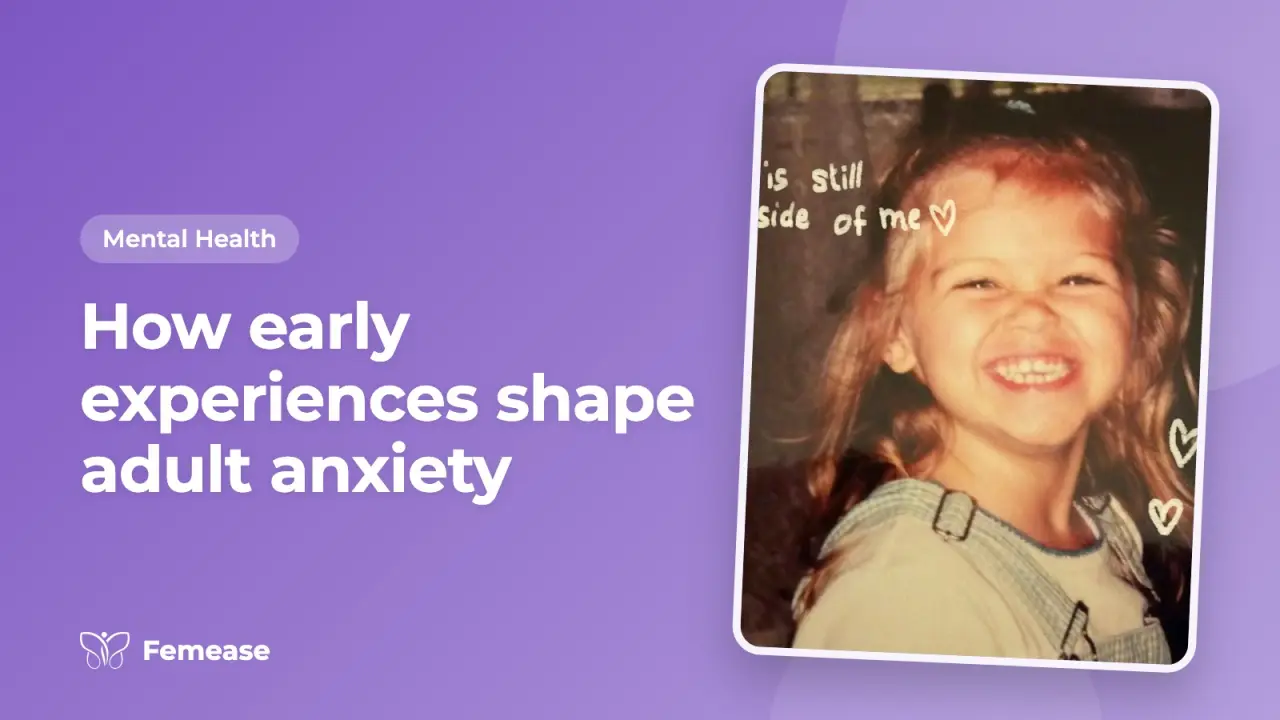
In short: Yes, childhood can shape adult anxiety. When a child does not feel physically or emotionally safe, the brain learns to stay on high alert, and that habit can last into adulthood as constant worry, trouble trusting people, low self-worth or feeling easily overwhelmed. This is an adaptation, not a flaw, and it can change. Trauma-informed therapy, safe relationships and self-compassion help. If anxiety is affecting your daily life, talk to a therapist or doctor.
Have you ever wondered why some people seem to carry a constant sense of dread, even when nothing is wrong? Or why certain situations like conflict, uncertainty, or feeling judged, can trigger overwhelming anxiety in adults?
While genetics, temperament, and life events all play a role, our sense of safety in childhood often sets the stage for how secure or anxious we feel as adults.
What does “safety” in childhood mean?
When we talk about safety, most people think of physical protection: having shelter, enough food, and freedom from abuse.
But emotional safety is just as crucial.
Emotional safety means:
- Feeling accepted and loved as you are.
- Having caregivers who respond to your needs with empathy.
- Knowing that your feelings matter.
When children grow up in unpredictable, neglectful, or frightening environments, their nervous systems adapt for survival. Over time, this can look like hypervigilance, chronic worry, or a sense that the world is fundamentally unsafe.
How a lack of safety shapes the anxious brain
Here are some ways an unsafe or unstable childhood can wire a brain for anxiety:
Hypervigilance becomes a habit If you never knew when the next outburst or crisis would happen, your brain learned to stay on high alert. Even as an adult, you might constantly scan for danger, reading too much into other people’s moods or worrying about worst-case scenarios.
Difficulty trusting others Inconsistent caregiving can make it difficult to fully trust anyone. You may fear abandonment or betrayal, which fuels social anxiety or relationship insecurity.
Low self-worth When emotional needs are dismissed, children often internalize the belief that they are unlovable or “too much.” As adults, this can turn into perfectionism, people-pleasing, or chronic self-doubt.
Emotional flooding Growing up without soothing support teaches the brain to overreact to stress. Even minor challenges can feel overwhelming because you never learned healthy coping skills.
Doctors now widely recognise a link between difficult early experiences (sometimes called Adverse Childhood Experiences, or ACEs) and later anxiety, depression, and chronic illness.
When a child’s brain is frequently flooded with stress hormones like cortisol, it changes the way the amygdala (the brain’s alarm system) and prefrontal cortex (the center for reasoning and calm) develop. This wiring can persist into adulthood unless intentionally rewired through therapy, self-care, and safe relationships.
What healing looks like
While early experiences shape us, they don’t have to define us forever. Many adults with childhood anxiety roots find relief through:
Trauma-informed therapy Therapies like EMDR, somatic experiencing, and trauma-focused CBT help reprocess memories and calm the nervous system.
Building safe relationships Being around people who are consistent, accepting, and supportive teaches your brain that safety is possible.
Mindfulness and self-compassion Practices that ground you in the present moment can gradually retrain your mind to see threats more accurately.
Education and self-awareness Understanding that your anxiety is an adaptation, not a flaw, reduces shame and empowers you to respond with kindness instead of criticism.
Questions women ask
How does childhood trauma affect adults?
Growing up with unpredictability, neglect or fear can teach the brain to stay alert for danger. As adults, people may scan others' moods, fear abandonment, people-please, chase perfection or feel flooded by small stresses.
What is emotional neglect in childhood?
It means a child's feelings and emotional needs were often ignored or dismissed, even if their physical needs were met. Children in this situation may grow up believing they are too much or that their feelings do not matter.
Can anxiety from childhood be healed?
Early experiences shape us but do not have to define us. Therapies such as trauma-focused CBT and EMDR, along with steady, kind relationships and mindfulness, can help calm the nervous system over time.
When should I get help for anxiety?
Talk to a therapist or doctor if worry, panic or low mood are affecting your sleep, work or relationships. If you have thoughts of harming yourself, get help straight away: go to the nearest hospital emergency or call Tele-MANAS, India's free mental health helpline, on 14416.
General information, not medical advice. Talk to a doctor about your own health.
Keep reading

Hormonal acne in adults: causes, signs and skin care
Hormonal acne can start or return in your 30s and 40s, often on the jawline and before periods. See the signs, common causes and supportive skincare.
Trauma stored in the body: signs and somatic experiencing
Trauma can show up as tight muscles, poor sleep or stomach trouble. Learn what somatic experiencing is, what a session is like and what evidence says.
Trauma and time distortion: why time feels strange
Trauma can make time feel stuck, missing or rushed. This is a real stress response. Learn the signs, what helps you feel present and when to get support.

Hormonal imbalance and mental health: mood and anxiety
Yes, hormones can affect your mood and anxiety. See how periods, pregnancy and menopause play a part, the signs to watch for and what helps day to day.

Art therapy: how scribbling and drawing help stress
Art therapy uses drawing, clay or scribbling to release feelings, and you need no skill. See how it calms stress and when to see a certified therapist.
Mental bandwidth meaning and emotional drain
Mental bandwidth is how much your mind can handle at once. See how absorbing other people's stress drains it, and the signs you are running low.
