High-functioning anxiety and depression
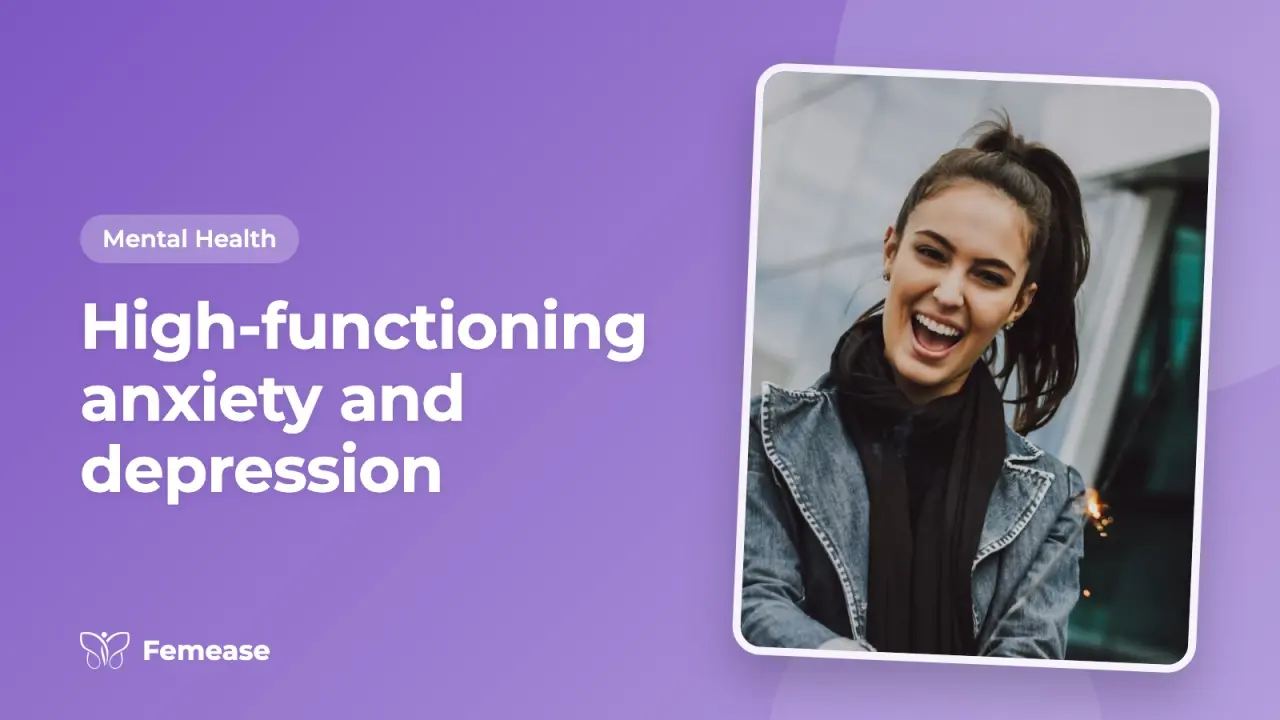
In short: High-functioning anxiety and depression means doing well on the outside, at work and at home, while struggling on the inside. You may overthink, feel numb or exhausted, feel guilty resting and hide it behind a smile. Being capable does not mean you are fine, and the pain is real. Naming it and talking to safe people helps, and a therapist or doctor can help you feel better.
Living with high-functioning anxiety and depression: The struggle behind the smile
You wake up, make your bed, and head to work. You're punctual, organized, and always seem to have it all together. People admire your drive, your energy, and your reliability. You get things done. You’re the go-to person.
But inside?
You're drowning.
High-functioning anxiety and depression don’t always look like what people expect. They wear a mask—a well-rehearsed smile, a steady voice, a busy calendar. On the surface, everything seems fine. But behind the scenes, it's a silent war no one sees.
What is high-functioning anxiety & depression?
It’s when you're doing well on the outside, but struggling on the inside.
You might:
Overthink every decision, replay conversations in your head, and expect the worst.
Show up to work, take care of your family, meet deadlines, and still feel completely numb.
Be exhausted from carrying the weight of everything while pretending you're okay.
Feel like you’re “not allowed” to be sad because you’re so “capable.”
High-functioning doesn’t mean not struggling. It just means you’re good at hiding it.
The inner tug-of-war
One moment you're pushing yourself to achieve more, the next you're too drained to get out of bed.
You're productive, but it’s fueled by fear-fear of failure, of not being enough, of being found out.
You crave rest, but feel guilty when you take it.
You smile in meetings, but cry in the shower.
You support others, but feel like a burden when you need help.
This back-and-forth is exhausting, and the worst part? Most people won’t even notice.
Why is it so hard to talk about
Because you don’t “look” depressed. Because you're not “falling apart.” Because someone somewhere has it “worse.” Because people say, "But you’re always so happy!"
So you stay quiet.
You brush it off.
You keep going.
But mental health doesn’t care how well you function. It doesn’t care how many tasks you check off your to-do list. Pain is pain—even if it wears a blazer and gets eight hours of sleep.
What you can do (even if you’re not ready for big steps)
Acknowledge it. Name it for what it is. You're not lazy or dramatic. You’re carrying something heavy, quietly.
Find your safe people.
Whether it's a friend, therapist, or online community, talking helps. Even saying, “I’m not okay” can be a powerful start.
Give yourself grace.
You don’t need to earn rest. You don’t have to be “productive” to deserve love.
Start small.
Drinking water, taking a walk, writing your thoughts down, these tiny acts matter.
Know it’s okay to ask for help.
Strong people struggle too. Strong people go to therapy. Strong people cry. And strong people get better with support.
You’re Not Alone
If any of this feels familiar, just know: there’s nothing wrong with you. You’re not weak. You’re not broken.
You’re human.
And the fact that you're still showing up, still trying, still hoping—even when your mind tells you otherwise, that’s strength.
You don’t have to carry this alone. There is help. There is healing. And there is life beyond the mask.
You're allowed to put it down.
Questions women ask
What are the symptoms of high-functioning anxiety?
Overthinking every decision, replaying conversations, expecting the worst, and pushing yourself to achieve out of fear of failure or not being enough. You may look organised and reliable while feeling tense and drained, and find it hard to rest without guilt.
What are the signs of high-functioning or smiling depression?
Getting through work and family duties but feeling numb, exhausted or empty inside. Smiling in meetings and crying in private, feeling you are not allowed to be sad because you are capable, and feeling like a burden when you need help. Others often do not notice.
Can you have high-functioning anxiety and depression together?
Yes. Many people swing between pushing hard to achieve and feeling too drained to get out of bed. The two often feed each other. A therapist or doctor can help you understand both and find support that suits you.
When should I get help?
Reach out if the low mood or worry lasts for weeks, affects your sleep or appetite, or makes daily life feel heavy, even if you are still managing. Strong people go to therapy too. If you have thoughts of harming yourself, get help straight away: go to the nearest hospital emergency or call Tele-MANAS, India's free mental health helpline, on 14416.
General information, not medical advice. Talk to a doctor about your own health.
Talk to a therapistKeep reading in the Femease app
Save articles, track your cycle or pregnancy, and talk to a doctor when you need one.
More about mental health
Why suppressed anger can manifest as anxiety or depression
Understanding the hidden link between repressed emotions and mental health.
Grief vs. Depression
Is it grief or depression? Learn how grief differs from depression, the symptoms to watch for, and when it's time to reach out for professional help.
How burnout differs from depression (but can lead to it)
Identifying early signs of emotional exhaustion in personal and professional life
When mental illness is quiet
Struggling quietly behind a smile? Learn how quiet BPD, OCD and PTSD can look, the cost of masking, and how to support someone who is silently struggling.

The double-tap dilemma
Do likes affect your self-esteem? Learn how social media validation shapes how we feel about ourselves, especially for young people, and where to start.

When rejection feels like a punch
Does rejection hurt more than it should? Learn what rejection sensitive dysphoria (RSD) is, who it affects, the signs, and ways to manage it, like therapy.
