How burnout differs from depression (but can lead to it)
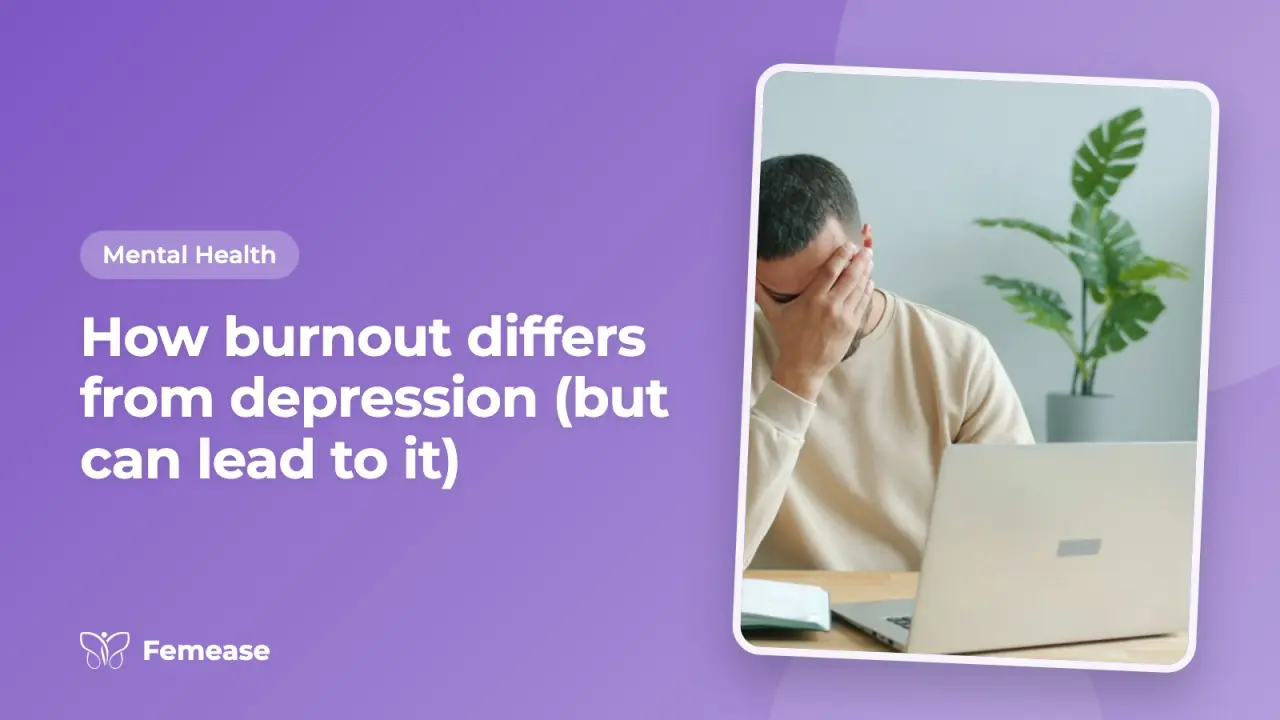
In short: Burnout is exhaustion from long-term stress, usually tied to one area such as work, studies or caregiving, and it tends to get better with rest and boundaries. Depression affects every part of life and often does not lift with a break. Burnout that is ignored for too long can lead to depression. If your low mood lasts or spreads to everything, talk to a therapist or doctor. If you have thoughts of harming yourself, go to hospital straight away or call Tele-MANAS on 14416.
We all have days when we feel emotionally drained, demotivated, or overwhelmed. But when that state lingers for weeks or months, it is time to dig deeper. Are you just burnt out, or is it something more serious, like depression?
While burnout and depression may look alike on the surface, both marked by fatigue, hopelessness, and detachment, they are not the same thing. But here is the hard truth: if left unaddressed, burnout can spiral into full-blown depression. Knowing the difference is the first step toward healing.
What exactly is burnout?
Burnout is emotional, physical, and mental exhaustion caused by prolonged stress. It often stems from work, caregiving, or other responsibilities that feel endless and unrewarding.
People facing burnout often describe it as being "stuck in survival mode." You might still be functioning, but it is joyless, heavy, and autopilot-like. You wake up tired, dread the day ahead, and struggle to care about things that once mattered.
Burnout symptoms:
- Constant exhaustion, even after rest
- Increased irritability or frustration
- Feeling cynical or emotionally detached
- Reduced performance or productivity
- Headaches, insomnia, and unexplained physical pain
- No interest in hobbies or personal care
And here is the kicker: burnout can occur outside the office, too. Stay-at-home parents, students, caregivers, or anyone dealing with chronic life stressors are just as vulnerable.
Depression: A deeper, more pervasive shadow
Depression goes beyond situational stress. It is a clinical mental health disorder that affects your mood, cognition, sleep, appetite, and more. Unlike burnout, which is typically tied to a specific source (like your job or role), depression can exist without a clear trigger.
It is not just about “being sad”- it is a whole-body illness that affects your ability to function in all areas of life.
Depression symptoms:
- Persistent sadness, hopelessness, or numbness
- Loss of interest in everything, not just work
- Feelings of worthlessness or guilt
- Difficulty concentrating or making decisions
- Sleep disturbances (too much or too little)
- Thoughts of self-harm or suicide
Burnout makes you feel empty. Depression can make you feel like you no longer exist.
How burnout can lead to depression
Here’s where things get blurry. Chronic burnout chips away at your emotional resilience. Over time, your stress response gets stuck in overdrive. Without intervention, whether it is rest, boundaries, or support, your body and mind simply wear out.
If burnout continues unchecked, the brain chemistry starts to change, tipping the scale toward clinical depression. What began as work-related dread can morph into a global loss of meaning and energy.
Real-life signs you might be missing
- You are crying more often, and not just at work
- You isolate yourself socially because everything feels too overwhelming
- You feel guilty for being “ungrateful,” even though you are deeply unhappy
- You have stopped doing the basic things- like cooking, showering, or calling loved ones
- Your weekends are not refreshing anymore. Neither are vacations.
If any of this resonates, know this: you are not weak, lazy, or broken. You are a human being who is emotionally overwhelmed and possibly on the edge of burnout, turning into something more serious.
How to know the difference (and what to do)
Sometimes it is hard to know what you are dealing with. A licensed mental health professional can help you make that distinction.
In the meantime, ask yourself:
- Is my exhaustion tied to one specific area (like work)? → Possibly burnout.
- Is my emotional low spilling into every part of my life? → Might be depression.
- Do I feel better after rest or a break? → Burnout tends to improve with recovery. Depression often does not.
Steps to recover from burnout before it gets worse
Set boundaries – Learn to say no. Not everything is urgent.
Take real breaks – That means mentally detaching, not scrolling on your phone.
Sleep like it is your job – Your brain literally heals itself during rest.
Talk about it – Whether it is a friend, coach, or therapist, do not bottle it up.
Reevaluate your values – Are you aligned with what truly matters to you?
Move your body – A short walk can improve blood flow and clarity.
When to seek help for depression
If your emotional pain is persistent, if nothing brings relief, or if dark thoughts are starting to creep in, please do not wait. If you have thoughts of harming yourself, call Tele-MANAS on 14416 or go to the nearest emergency straight away. Therapy, counselling, or other treatment a doctor recommends can make a world of difference. Mental health is health.
Burnout is your body whispering, “Something isn’t right.” Depression is when it starts to scream. Recognizing the signs early can save your mental well-being, relationships, and future.
You are not alone. You deserve rest, care, and peace, not just survival.
Questions women ask
What is the difference between burnout and depression?
Burnout is usually linked to one source, like your job or caring for someone, and improves with rest. Depression spreads to all parts of life, may have no clear trigger, and often brings hopelessness, worthlessness and loss of interest in everything.
Can burnout cause depression?
Yes, it can. Long-lasting stress wears down your emotional reserves. Without rest, boundaries and support, burnout can slowly turn into a wider loss of meaning and energy that looks like depression.
What are the symptoms of burnout in women?
Constant tiredness even after rest, irritability, feeling detached or cynical, getting less done, headaches, poor sleep and losing interest in hobbies or self-care. It can affect homemakers, students and caregivers, not just office workers.
How do I recover from burnout while still working?
Set boundaries and say no where you can, take real breaks away from your phone, protect your sleep, move your body and talk to a friend or therapist. If rest does not help, see a doctor to check for depression.
When should I get urgent help?
If nothing brings relief, or you have thoughts that you would be better off gone, do not wait. If you have thoughts of harming yourself, get help straight away: go to the nearest hospital emergency or call Tele-MANAS, India's free mental health helpline, on 14416.
General information, not medical advice. Talk to a doctor about your own health.
Talk to a therapistKeep reading in the Femease app
Save articles, track your cycle or pregnancy, and talk to a doctor when you need one.
Keep reading
Grief vs. Depression
Is it grief or depression? Learn how grief differs from depression, the symptoms to watch for, and when it's time to reach out for professional help.
From burnout to balance
Priya’s Journey to Reclaiming Her Life
Digital burnout vs. Tech addiction
Drained by your phone and screens? Learn the difference between digital burnout and tech addiction, the signs of each, and small steps that help.
Why suppressed anger can manifest as anxiety or depression
Understanding the hidden link between repressed emotions and mental health.
Why mindfulness doesn’t work for everyone
Why meditation can feel unsafe for some, and how to practice mindfulness in ways that truly support your mental well-being.

The mental impact of hustle culture
Chronic guilt, shame, and burnout stemming from always being “on” or never “enough.”
