Why mindfulness doesn’t work for everyone
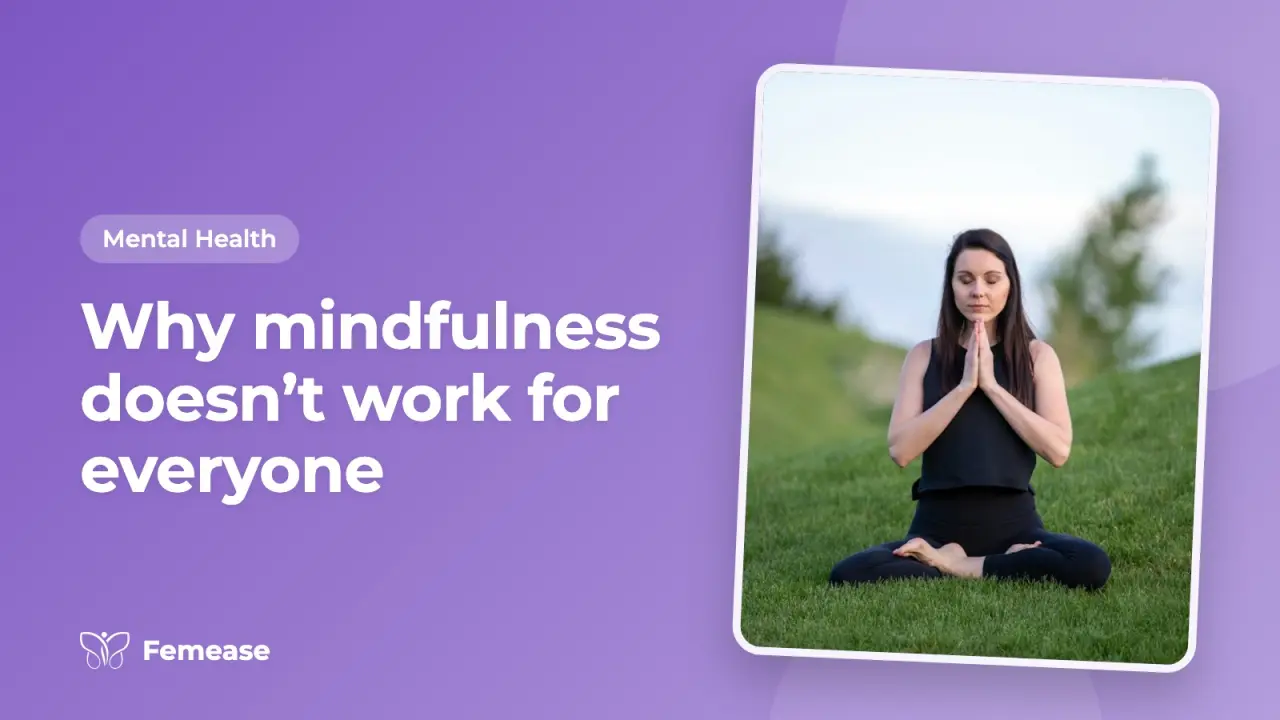
In short: Mindfulness does not suit everyone. For some people, especially those with trauma or strong anxiety, sitting still and focusing on the breath can bring up panic, upsetting memories or a feeling of being unsafe. That does not mean you are doing it wrong. Moving or creative forms, like walking meditation, yoga, journaling or listening to sound, may feel safer. If meditation keeps making you feel worse, talk to a therapist trained in trauma-informed care.
Mindfulness has become a buzzword for wellness, and for good reason. It is often linked to reduced stress, better focus, and improved mental health. But here is a truth that rarely makes it into mainstream wellness conversations: mindfulness does not work for everyone.
For some people, being asked to “sit still,” “focus on your breath,” or “quiet your mind” is not calming; it is deeply unsettling. Mindfulness can sometimes trigger anxiety, panic, or trauma responses. If that has been your experience, you are not alone, and you are not doing it wrong.
When mindfulness feels uncomfortable (or unsafe)
For individuals with a history of trauma, PTSD, or chronic anxiety, traditional mindfulness techniques can feel like walking straight into the eye of the storm. Silence and stillness may amplify intrusive thoughts or bring up buried emotions that feel overwhelming.
Imagine being told to close your eyes and notice your breath, but every inhale reminds you of a panic attack. Or lying still in a guided meditation, only for your mind to spiral into fearful memories. This is not resistance; it is a nervous system response. And it is valid.
Why this happens: The science behind it
Stillness activates the parasympathetic nervous system, which usually helps us rest and recover. But for some, especially those with unresolved trauma, this sudden drop in activity can feel like vulnerability.
The brain might interpret stillness as a threat, triggering hypervigilance or even dissociation. Instead of calm, people may feel restless, agitated, or exposed. In such cases, mindfulness, at least in its traditional form, may backfire.
You are not broken. Mindfulness just needs to look different for you
The truth is, mindfulness is not a one-size-fits-all practice. It does not have to be silent or motionless. You can be mindful while moving, talking, creating, or connecting. It is about being present, not perfectly still.
Try these alternative mindfulness practices:
Walking meditation: Focus on each step, the feel of your feet on the ground, the rhythm of your breath. Nature walks can be especially grounding.
Guided journaling: Use prompts to tune into your thoughts and feelings. Writing can be a safe container for emotional release.
Breathwork with movement: Practices like yoga, qigong, or tai chi offer mindfulness through motion. Movement helps regulate your nervous system.
Sound baths or music meditation: Let your attention rest on sound rather than silence. This is great for people who find stillness triggering.
Creative Expression: Painting, gardening, knitting, any creative act done with intention can be deeply mindful.
What therapists and experts recommend
Mental health professionals increasingly recognize that trauma-sensitive mindfulness is crucial. If traditional practices do not work for you, consider working with a therapist trained in trauma-informed care. Somatic therapy, EMDR, and other body-centred techniques can help rebuild a sense of safety.
It is okay if sitting in silence does not work for you. It does not mean you are failing at self-care; it means your body is wise enough to signal what it needs.
Mindfulness is not the destination; it is a tool. If one tool does not work, try another. The goal is not to sit still; it is to feel whole.
So, if you have ever felt more anxious after trying meditation, know this: you are not alone, and there is nothing wrong with you. True mindfulness meets you where you are, not where the world expects you to be.
Questions women ask
Can meditation make anxiety worse?
For some people, yes. Silence and stillness can bring up intrusive thoughts, buried feelings or panic, especially after trauma. This is a nervous system response, not a failure, and it is fine to stop and try something else.
Why does meditation increase my anxiety?
When you slow down, your body may read stillness as being unsafe, especially if you have lived through trauma. Instead of calm, you may feel restless, on edge or disconnected. Gentler, more active practices can help.
What can I do if meditation is not working for me?
Try mindfulness while moving or creating: walking slowly and noticing each step, yoga or tai chi, guided journaling, painting, gardening, or focusing on music instead of silence. Being present matters more than being still.
What is trauma-sensitive mindfulness?
It is mindfulness adapted for people with trauma, so it feels safe. It lets you keep your eyes open, move, pause or stop at any time. A therapist trained in trauma-informed care can guide you. If you have thoughts of harming yourself, get help straight away: go to the nearest hospital emergency or call Tele-MANAS, India's free mental health helpline, on 14416.
General information, not medical advice. Talk to a doctor about your own health.
Talk to a therapistKeep reading in the Femease app
Save articles, track your cycle or pregnancy, and talk to a doctor when you need one.
Keep reading
Mindfulness practices to help you manage daily stress
Discover Simple Techniques to Cultivate Awareness and Reduce Anxiety in Your Everyday Life

Why ‘glassy skin’ is not for everyone
The real talk on why chasing that glassy glow can do more harm than good.

Braxton hicks contractions and false labor
Braxton Hicks or real labour? Learn how practice contractions and false labour feel, how they differ from true labour, and when to call your doctor.

The role of music and meditation in pregnancy
Music and meditation in pregnancy: how they may help with stress, anxiety and bonding with your baby, and simple ways to start at home.
Hyper-independence: meaning, signs and why it happens
Those who have learned to rely only on themselves may struggle silently with trust, connection, and asking for help.
How burnout differs from depression (but can lead to it)
Identifying early signs of emotional exhaustion in personal and professional life
