The role of music and meditation in pregnancy
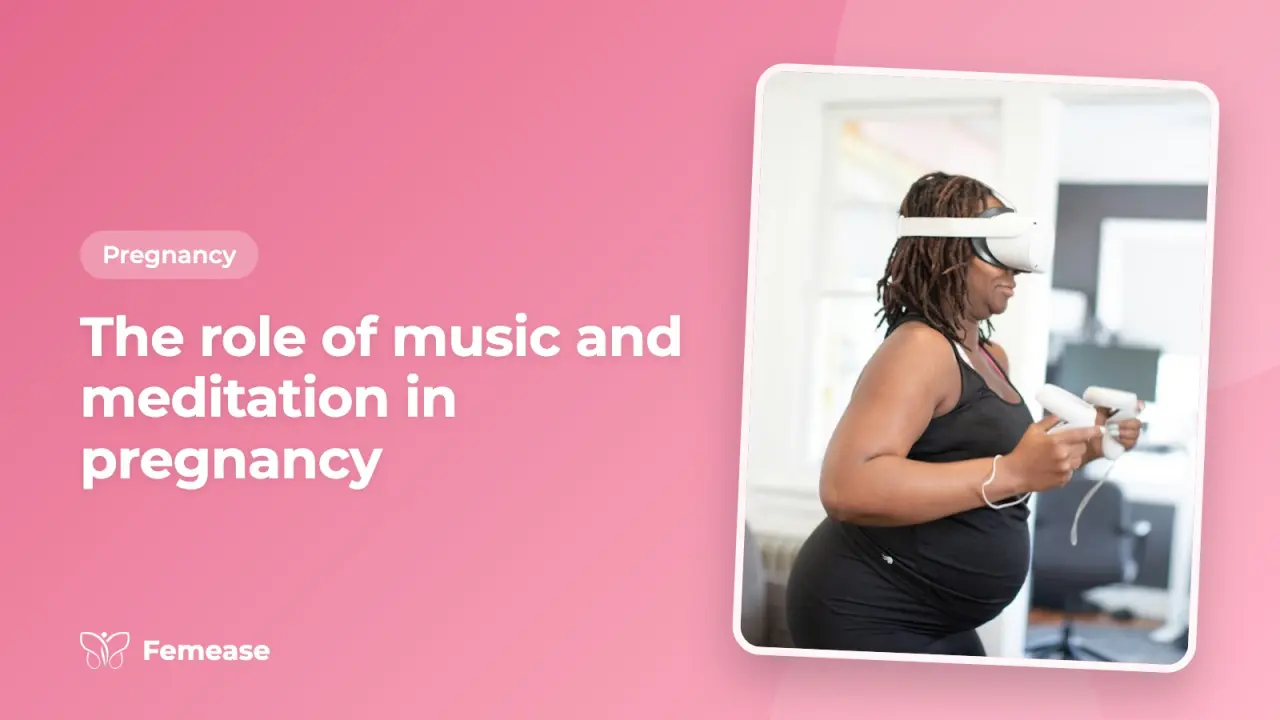
In short: Music and meditation are gentle, safe ways to feel calmer in pregnancy. Your baby begins to hear sounds such as your heartbeat and voice around 18 to 20 weeks, and a song you play often may soothe your baby after birth. Calm music and a few minutes of quiet breathing can ease stress and help sleep. They support care but do not replace check-ups, so see your doctor for constant worry or low mood, and contact them straight away for bleeding or if your baby is moving less than usual.
Pregnancy is a journey like no other. It’s beautiful, exciting, sometimes overwhelming, and full of moments that ask us to slow down and tune in. Amidst all the prenatal checkups, scans, and baby prep, two gentle yet powerful tools often go underappreciated: music and meditation.
If you’re an expecting mother (or walking this path with someone who is), this post is for you. We’re diving into how music and meditation can ease stress, support your baby’s development, and create space for you to simply… be.
Music: Not just a mood booster, but a baby bonding tool
Ever felt your baby kick when your favorite song plays? That’s not a coincidence. Around 18–20 weeks, babies in the womb begin to hear sounds, your heartbeat, your voice, and yes, even the background music you play while cooking or relaxing.
So, what does music do during pregnancy?
Stimulates fetal brain development: Soft classical music or gentle lullabies can support early brain wiring. While there’s no magic Mozart effect, hearing familiar music before birth may help your baby recognise it after birth.
Regulates stress hormones: For moms, listening to calming music can ease stress, lift your mood and even help with better sleep.
Creates emotional memories: Your baby begins forming emotional connections with the sounds they hear most often. Singing or playing the same lullaby regularly may help soothe your baby post-birth, as it’s a sound they already know.
Tip: Choose music that calms you. It doesn't have to be classical; if your soul relaxes to jazz, nature sounds, or even soft Bollywood tracks, that’s perfect.
Meditation: A daily dose of peace (that also benefits the baby)
Let’s be real, pregnancy isn’t always glowing skin and serene smiles. There are moments of anxiety, physical discomfort, and mental overwhelm. That’s where meditation comes in, not as a magic fix, but as a gentle companion.
Meditation can help with:
Managing anxiety and prenatal depression: Mindfulness-based meditation can ease stress and low mood during pregnancy, and it's used in maternal wellness programs around the world. If you feel low most days, talk to your doctor, as meditation does not replace care.
Lowering blood pressure: Pregnancy-related high blood pressure can be serious and needs your doctor’s care. Meditation and breathwork can help you feel calmer by activating the parasympathetic nervous system (your body’s natural calming response), but they do not replace check-ups. A severe headache, vision changes or sudden swelling means going to hospital straight away.
Supporting better labor outcomes: Some women find that regular meditation helps them feel calmer and cope better with pain in labour.
Enhancing baby’s emotional development: A calm womb creates a calm environment. Maternal stress hormones affect the baby too, so when you meditate, you’re not just caring for yourself but for your baby’s emotional blueprint.
How to start? Just 5–10 minutes a day. Sit comfortably, close your eyes, and focus on your breath.
The emotional impact: Beyond science
Science aside, there's something sacred about the quiet moments music and meditation create. Maybe it’s the sound of your favorite song as you feel your baby flutter. Perhaps it’s the stillness of early morning, hands on your belly, just breathing.
These aren’t just habits. There are ways to connect with your baby, your body, and your inner self.
Pregnancy is a time of immense change, both physically and emotionally. Music and meditation aren’t add-ons; they’re simple, gentle practices that offer deep support through it all.
So press play. Sit still. Breathe. This journey deserves moments of peace, and so do you.
Questions women ask
When can a baby hear in the womb?
Babies begin to hear sounds around 18 to 20 weeks of pregnancy. Your heartbeat, your voice and music playing nearby are among the first sounds they notice. Talking or singing to your bump is a lovely way to connect.
Does music during pregnancy help the baby's brain development?
There is no magic effect from any one kind of music. Hearing familiar sounds may help your baby recognise them after birth, and a lullaby you sing often may soothe later. Choose whatever calms you, whether bhajans, soft Bollywood songs or nature sounds, and keep the volume gentle.
What are the benefits of meditation during pregnancy?
Meditation can lower stress, ease anxiety and help you sleep better. Start with 5 to 10 minutes a day: sit comfortably, close your eyes and follow your breath. It is a gentle companion, not a cure, so keep up all your check-ups.
Can meditation help with pregnancy anxiety?
It can help with everyday worry. If anxiety is constant, stops you sleeping or eating, or comes with panic attacks or low mood, talk to your doctor. Get help straight away for bleeding, severe tummy pain, fewer baby movements than usual, or thoughts of harming yourself.
General information, not medical advice. Talk to a doctor about your own health.
Talk to a doctor about your pregnancyKeep reading in the Femease app
Save articles, track your cycle or pregnancy, and talk to a doctor when you need one.
Keep reading

The role of oxytocin in bonding before birth
What does oxytocin do in pregnancy? Learn how touch, breathwork and closeness with your partner can raise this bonding hormone and connect you with baby.
How music, frequency, and sound affect mental states
Exploring sound therapy, binaural beats, and how auditory environments can heal or harm.

Pregnancy symptoms
Am I pregnant? Learn 14 early signs of pregnancy, when symptoms start, how they differ from PMS, and when to take a test or see a doctor.

Understanding the placenta’s role beyond birth
Why placental health is a key indicator of maternal and fetal well-being, and what your ultrasound may reveal
Understanding baby's movement
When do babies start moving? Learn what your baby's kicks and flutters mean, how to track movements from 28 weeks, and when to call your doctor.

C-section recovery myths
Is a C-section the easy way out? We bust 5 common C-section recovery myths, from healing time to pelvic floor issues and feeling normal at 6 weeks.
