The role of oxytocin in bonding before birth
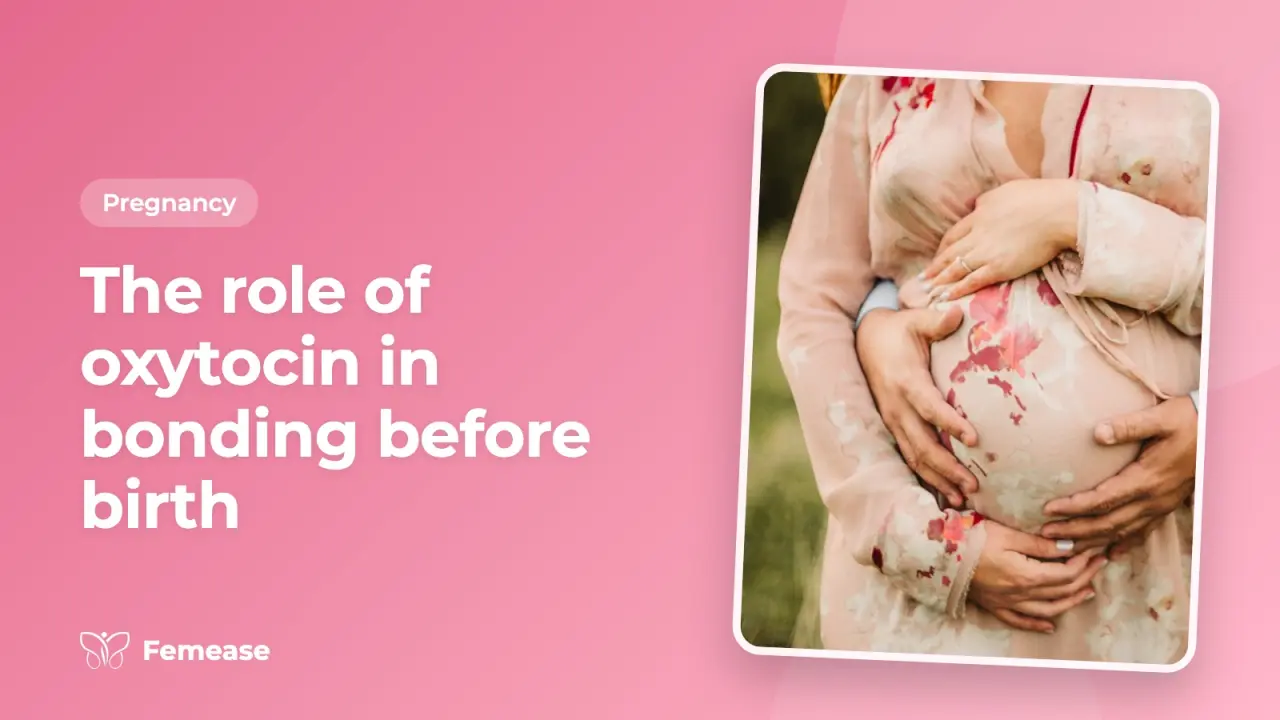
In short: Oxytocin is a hormone made in the brain that helps with labour contractions, releasing breast milk and feeling close to the people you love. During pregnancy, calm and loving moments such as gentle belly massage, slow breathing, talking to your bump and cuddling your partner can help you relax and feel connected to your baby. These are simple, safe ways to care for yourself. If you feel low, anxious or disconnected from your pregnancy, talk to your doctor.
Pregnancy is more than physical change; it is a soulful transformation, a delicate dance between biology and emotion. One of the most powerful hormones behind this journey is oxytocin, often lovingly called the “love hormone.” But did you know that oxytocin starts working its magic long before labor begins?
From gentle belly rubs to slow, conscious breathing, even moments of intimacy with your partner, oxytocin quietly builds a bridge between you and your baby. Let us explore how this powerful hormone enhances bonding during pregnancy and how you can naturally boost it through touch, breathwork, and mindful connection.
What is Oxytocin, and why does it matter during pregnancy?
Oxytocin is a hormone and neurotransmitter produced in the brain’s hypothalamus and released by the pituitary gland. It is best known for:
- Triggering labor contractions
- Ejecting milk during breastfeeding
- Creating emotional bonds (between lovers, friends, and… mother and baby)
But here is the deeper truth: Oxytocin is the language of love, calm, trust, and safety. And during pregnancy, it is silently shaping your connection with your growing baby, even before the first kick.
1. The power of touch: Belly rubs, massage, and loving hands
When you gently stroke your belly or receive a relaxing prenatal massage, you are not just soothing sore muscles; you are activating your oxytocin system.
Gentle touch, even soft, mindful self-touch, can encourage oxytocin release. This helps:
- Reduce stress and cortisol levels (the stress hormone)
- Create a calming feedback loop between you and your baby
- Encourage your baby’s sensory and emotional development
Try this: After a warm shower, apply natural oils (like coconut or almond) and massage your belly in slow, circular motions. Play calming music. Breathe with intention. Talk to your baby.
2. Breathwork: The gentle trigger for emotional connection
Breathing is one of the simplest ways to drop into your body and connect inward, and it is a secret tool for oxytocin release.
Slow, rhythmic breathwork activates the parasympathetic nervous system (your “rest and digest” mode), signalling the brain to release calming hormones like oxytocin.
Try this:
- Inhale for 4 seconds
- Hold for 4 seconds
- Exhale for 6–8 seconds
- Repeat for 5–10 minutes, especially before bed or after a stressful moment
This mindful breathing is not just for you; it creates a vibrational field of calm that your baby can feel too.
3. Intimacy with your partner: A forgotten yet powerful source
Pregnancy can shift the dynamic between partners, but emotional and physical closeness remain deeply important.
Cuddling, kissing, and even gentle sexual intimacy (if approved by your doctor) trigger oxytocin in both of you. This creates:
- Deeper bonding between parents
- A nurturing, connected environment that the baby feels through the mother
- Better emotional balance and stress regulation for the pregnant parent
A connected couple builds a connected womb.
The mind-body connection: Baby feels what you feel
Science confirms it: your emotional state affects your baby.
Oxytocin does not just make you feel good; it helps regulate your heartbeat, immune system, sleep, and emotional responses. All of these are shared, in subtle ways, with your baby in the womb.
That is why practices that nurture oxytocin create a calm, loving womb environment where the baby feels safe, seen, and loved, even before birth.
Simple ways to raise oxytocin during pregnancy:
-
Daily belly massage with warm oil -
Gentle yoga or prenatal breathwork -
Journaling your feelings for the baby -
Singing or talking to your bump -
Cuddling with your partner -
Practicing gratitude and visualization -
Getting regular emotional support from loved ones or doulas
Why it matters: Bonding now builds a better birth and beyond
When oxytocin levels are supported during pregnancy:
- You may feel calmer going into labor
- Breastfeeding becomes easier due to better milk letdown
- Postpartum bonding may feel more natural
- Your baby arrives in a world already rich in emotional connection
You do not need to “do more” during pregnancy, just feel more_._ Through conscious touch, loving breath, and shared moments, you are already speaking the language your baby understands: oxytocin-fueled love.
Let that be your superpower.
Questions women ask
What does oxytocin do in pregnancy?
Oxytocin is best known for starting labour contractions and helping milk flow during breastfeeding. It is also linked with feelings of trust, calm and closeness, which is why it is often called the love hormone.
How can I feel more bonded with my baby before birth?
Take a few quiet minutes each day to stroke your belly, talk or sing to your bump, write down your feelings or practise slow breathing. Closeness with your partner and support from loved ones also help you feel calm and connected.
Is it safe to massage my belly during pregnancy?
Gentle, slow strokes on the belly with a light oil are generally fine and can feel relaxing. Avoid pressing hard. If you have pain, bleeding or a high-risk pregnancy, ask your doctor first.
When should I call a doctor during pregnancy?
Go to hospital straight away if you have bleeding, leaking fluid, severe tummy pain, a bad headache with blurry vision, or if your baby is moving less than usual. See a doctor the same day for fever. If you have thoughts of self-harm, get help straight away: call Tele-MANAS on 14416 or go to the nearest emergency.
General information, not medical advice. Talk to a doctor about your own health.
Talk to a doctor about your pregnancyKeep reading in the Femease app
Save articles, track your cycle or pregnancy, and talk to a doctor when you need one.
Keep reading

The role of music and meditation in pregnancy
Music and meditation in pregnancy: how they may help with stress, anxiety and bonding with your baby, and simple ways to start at home.

Understanding the placenta’s role beyond birth
Why placental health is a key indicator of maternal and fetal well-being, and what your ultrasound may reveal
Matrescence: The emotional birth of a mother
Understanding the psychological and emotional transformation during the transition into motherhood
Hair loss, skin changes & nail woes after birth
Hair fall after pregnancy? Learn why postpartum hair loss, skin changes and weak nails happen, when they usually settle, and when to see a doctor.

Pregnancy after 35: Breaking the stigma around “geriatric” motherhood
Debunking myths, embracing late motherhood, and empowering women to choose their timeline

Prepping for climate resilience while pregnant
How to manage heatwaves, air pollution & water safety for yourself and your baby
