Matrescence: The emotional birth of a mother
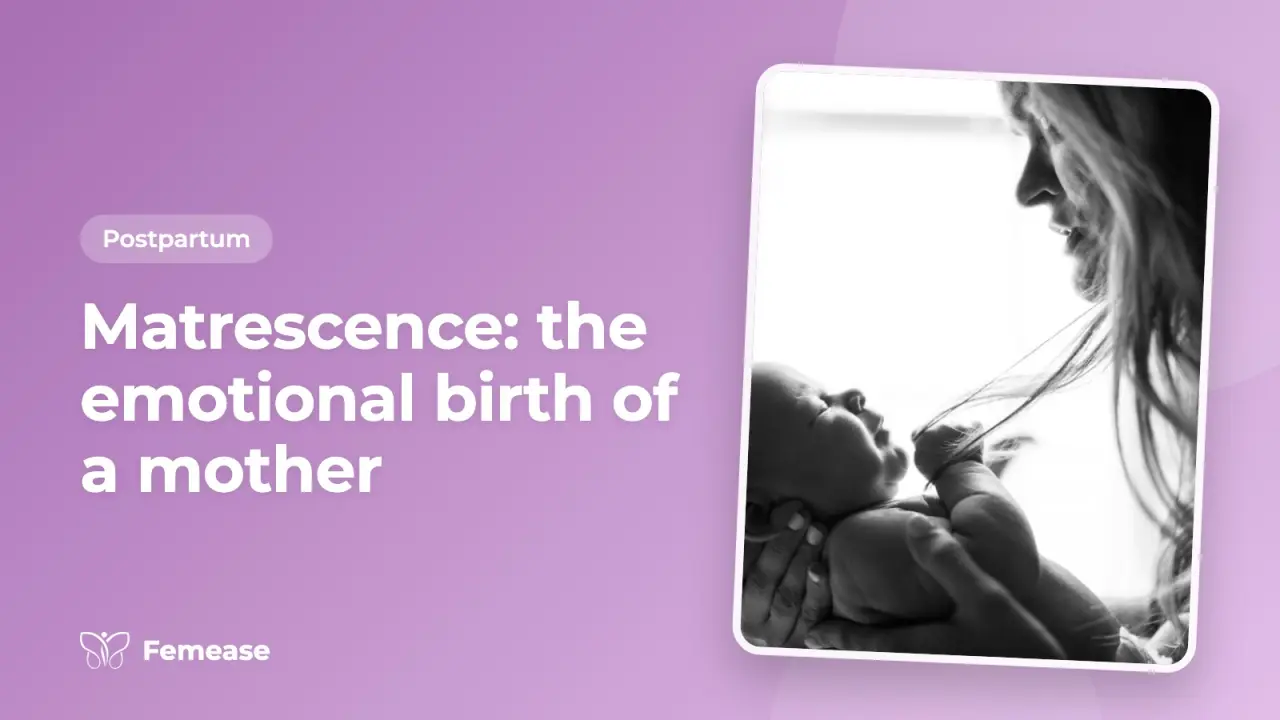
In short: Matrescence is the change a woman goes through as she becomes a mother. It touches her body, feelings, identity and relationships, a bit like adolescence does for teenagers. It starts in pregnancy, is strongest after birth and keeps going as the child grows. Mixed feelings, like loving your baby and missing your old life, are normal. If low mood, worry or tearfulness last more than two weeks, talk to a doctor.
Becoming a mother is often painted as a blissful, magical experience. But behind the pastel-colored baby showers and Instagram-perfect baby bumps lies a much deeper, often unspoken transformation, one that’s not just physical, but emotional, psychological, and even spiritual.
This is called matrescence, a term that’s still unfamiliar to many but deeply relatable to almost every woman who has given birth. Coined by anthropologist Dana Raphael in the 1970s (yes, the same researcher who brought us the term “doula”), matrescence refers to the identity shift and emotional reorientation a woman undergoes as she becomes a mother. Think of it as the motherhood equivalent of adolescence, intense, confusing, hormone-fueled, and identity-shaping.
The psychological shift no one talks about
Matrescence isn’t something that ends at childbirth. It begins during pregnancy, peaks postpartum, and continues throughout a mother's life as she grows alongside her child. The truth is, just as the baby is born, so is the mother, only no one prepares you for that part.
Hormonal changes during and after pregnancy can significantly affect brain chemistry. For example:
- Estrogen and progesterone levels drop sharply after birth, often contributing to the "baby blues" and, in more severe cases, postpartum depression.
- Oxytocin, the bonding hormone, surges, driving an intense desire to protect and nurture your newborn, but can also lead to anxiety.
- A mother’s brain is thought to actually change, enhancing regions involved in empathy, worry, and social interaction. Some scientists call this "mom brain" or “maternal preoccupation.”
You might find yourself asking:
- Why do I feel like a different person?
- Why do I mourn my old life while loving my baby?
- Why does no one else seem to feel this way?
You’re not alone, and there’s nothing wrong with you. You’re experiencing matrescence.
The Push and Pull of Identity
Before motherhood, your identity might have been tied to your career, relationships, hobbies, or freedom. Matrescence can disrupt that. Suddenly, your world centers around a little human who depends on you entirely. This shift often brings conflicting emotions: joy mixed with grief, love tangled with guilt, fulfillment alongside isolation.
Unlike adolescence, which society recognizes and supports (remember all those teen movies and awkward puberty talks?), matrescence is often invisible. There are few rituals, little acknowledgment, and hardly any space for women to process the emotional and mental upheaval they go through.
The reality: It’s not just postpartum depression
Postpartum depression (PPD) is common, but not all emotional struggles are clinical. Many women feel disoriented, anxious, or low without meeting the diagnostic criteria for depression. These feelings deserve just as much attention, validation, and care.
Matrescence helps separate normal emotional transformation from pathology, it’s not always about illness; sometimes it’s just about change.
What helps?
There’s no one-size-fits-all answer, but some tools can make this journey gentler:
Name it to tame it. Just knowing the term “matrescence” can be healing. It helps mothers understand they’re not broken, they’re evolving.
Talk to someone. Whether it's a friend, therapist, or a mom group, having your feelings mirrored back to you can be incredibly grounding.
Make space for both joy and grief. It's okay to miss your old life and still love your baby fiercely. Ambivalence is part of the process.
Support systems matter. Partners, family, and society need to understand matrescence, too. Mothers need care, not just babies.
Questions women ask
What is matrescence?
Matrescence is the process of becoming a mother. The word was coined by anthropologist Dana Raphael in the 1970s. It describes the big shifts in hormones, identity, emotions and daily life that happen during pregnancy and after birth.
What does 'the birth of a mother' mean?
It means that when a baby is born, a mother is born too. Your sense of who you are, what matters to you and how you spend your days changes. Giving this change a name helps many women feel less alone and less confused.
Is matrescence the same as postpartum depression?
No. Matrescence is a normal change that every mother goes through, with ups and downs. Postpartum depression is a health condition that needs care. Feeling a little lost or emotional is common, but constant sadness, hopelessness or not being able to cope is a reason to see a doctor.
How can I cope with matrescence?
Name what you are feeling, and know that joy and grief can sit side by side. Talk to your partner, a friend, other mothers or a counsellor. Ask family for practical help, and make a little time for rest and for yourself.
When should a new mother get help straight away?
Get help right away if you have thoughts of harming yourself or your baby, feel unable to look after yourself or your baby, see or hear things others do not, or cannot sleep at all even when the baby sleeps. Go to the nearest hospital emergency or call Tele-MANAS on 14416.
General information, not medical advice. Talk to a doctor about your own health.
Talk to a doctor about your recovery after birthKeep reading in the Femease app
Save articles, track your cycle or pregnancy, and talk to a doctor when you need one.
Keep reading
Hair loss, skin changes & nail woes after birth
Hair fall after pregnancy? Learn why postpartum hair loss, skin changes and weak nails happen, when they usually settle, and when to see a doctor.

Self-care for new moms
Self-care for new moms: simple tips for Indian mothers on traditional postpartum practices, good food, rest, gentle activity, support and me-time.
Understanding the placenta’s role beyond birth
Why placental health is a key indicator of maternal and fetal well-being, and what your ultrasound may reveal
Emotional eating vs. Real hunger
Eating when you're not hungry? Learn how to tell emotional eating from real hunger, why it happens, and what you can do instead in the moment.
Nutrition for postpartum recovery and breastfeeding
What to eat after delivery? Postpartum food basics for recovery and breastfeeding, from warm cooked meals and ghee to laddoos and foods to avoid.
Postpartum support systems: Beyond family
Exploring lactation consultants, mom groups, and virtual circles as pillars of recovery
