Postpartum support systems: Beyond family
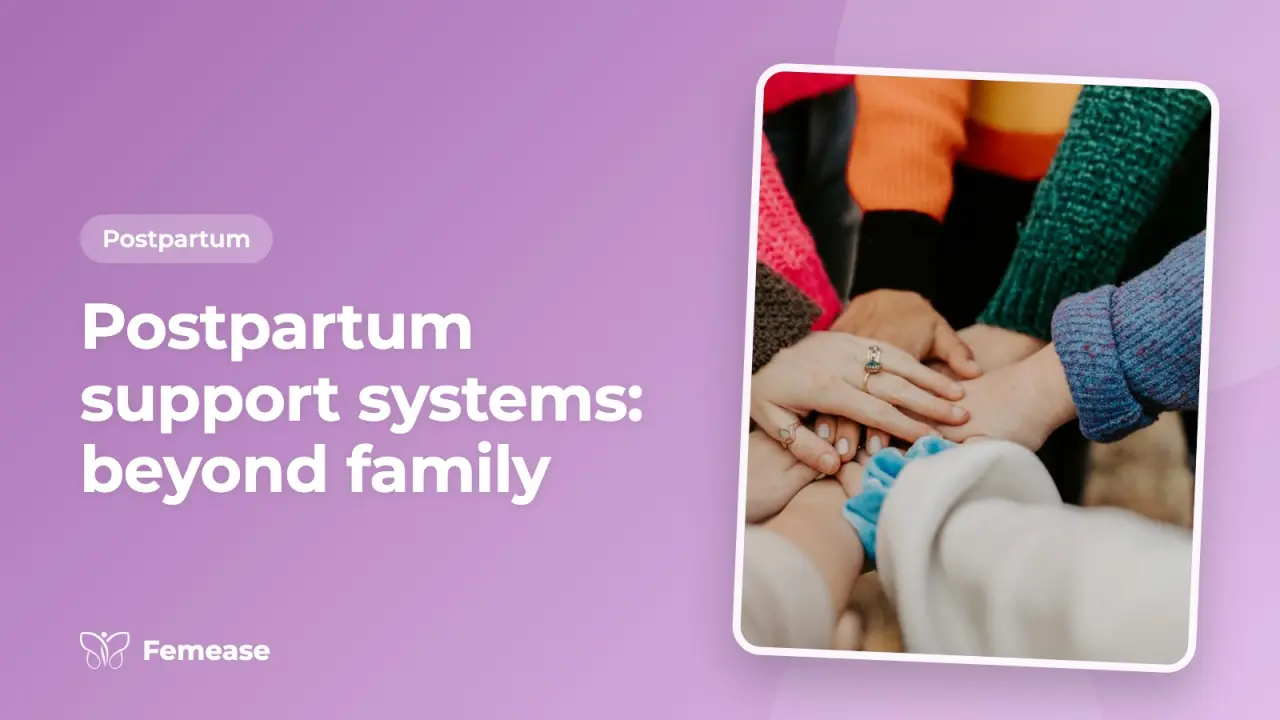
In short: Family help matters, but it is not always enough or nearby. Support after birth can also come from a lactation consultant for feeding problems, mother groups that meet in person, and online circles you can join from home, even at 3 a.m. Talking to mothers who have been there can ease loneliness and worry. If you feel low, anxious or unable to cope for more than two weeks, talk to your doctor, because postpartum depression is common and treatable.
When the baby arrives, so does a whirlwind of love, sleep deprivation, healing, and a million questions. While family support is invaluable, it’s not always enough or available. Whether you are far from your loved ones or simply craving connection with others who get it, postpartum support systems beyond the family can be lifesavers.
Here is a look at three powerful pillars of support that are helping mothers around the world recover, reconnect, and rediscover themselves after childbirth.
1. Lactation consultants: more than just breastfeeding help
Breastfeeding does not always come naturally, and that is okay. Challenges like poor latch, low milk supply, or pain can make this beautiful experience stressful.
That is where lactation consultants come in. These are certified professionals (often IBCLCs -International Board-Certified Lactation Consultants) who provide hands-on guidance, emotional reassurance, and practical solutions.
2. Mom groups: finding 'your people'
There’s something uniquely healing about sharing your story with someone who nods along, not out of sympathy, but because they’ve been there too.
Local mom groups, whether organized by hospitals, parenting centers, or community libraries, offer a safe space to vent, laugh, and learn. Peer support in the postpartum period can ease anxiety and feelings of isolation.
These groups can be:
- In-person meetups for walks or coffee
- Baby yoga or postpartum exercise classes
- Facilitated circles led by doulas or mental health professionals
3. Virtual circles: support from your couch
Not every mom has the energy (or childcare) to leave the house, and that’s where virtual support circles shine. During the pandemic, digital platforms filled the gap, and thankfully, they’ve stayed.
Apps like Peanut and BabyCenter Community, along with platforms like Zoom and WhatsApp, have allowed moms to:
- Join topic-based chats (from postpartum depression to co-sleeping)
- Attend virtual therapy or wellness sessions
- Connect with lactation consultants or pediatricians online
- Simply talk to someone at 3 a.m. when the baby won't sleep
Many new mothers find that virtual peer support eases loneliness, especially those living in nuclear families or isolated settings.
Beyond the village: Creating your own support system
The old saying “it takes a village” still holds, but the village has evolved. Today, it might look like a WhatsApp group of moms you’ve never met in person, a consultant who shows up on your screen with lactation advice, or a group of women who sit in a circle, sipping tea and sharing their truth.
Whatever your journey looks like, know this: you deserve support. Postpartum recovery isn’t just about diapers and swaddles, it’s about emotional healing, physical care, and human connection.
So whether you lean on a certified expert, a fellow mom, or a stranger turned sister online, you're not alone. Your circle may be unconventional, but it’s just as powerful.
Questions women ask
What is a postpartum support group?
It is a group of new mothers who meet, in person or online, to share what they are going through. Some are run by hospitals, parenting centres, doulas or mental health professionals. Hearing someone say they have felt the same can ease anxiety and loneliness.
Can I find a new mom support group online?
Yes. Many mothers join online groups, video sessions or WhatsApp circles when leaving the house is hard. They help with topic-based chats, virtual wellness sessions and simply having someone to talk to during night feeds. Choose groups that are kind and well moderated.
When should I see a lactation consultant?
See one if latching is painful, your baby is not feeding well, you worry about milk supply or feeding feels stressful. Certified lactation consultants give hands-on guidance and reassurance, and many now offer online sessions too.
When is postpartum support not enough and I need a doctor?
Talk to your doctor if sadness, worry or numbness lasts more than two weeks, or if you cannot sleep even when the baby sleeps. If you have thoughts of harming yourself or your baby, or feel you cannot keep yourself safe, get help straight away: go to the nearest hospital emergency or call Tele-MANAS, India's free mental health helpline, on 14416.
General information, not medical advice. Talk to a doctor about your own health.
Talk to a doctor about your recovery after birthKeep reading in the Femease app
Save articles, track your cycle or pregnancy, and talk to a doctor when you need one.
Keep reading
Nutrition for postpartum recovery and breastfeeding
What to eat after delivery? Postpartum food basics for recovery and breastfeeding, from warm cooked meals and ghee to laddoos and foods to avoid.
Navigating postpartum with multiples
Postpartum with twins or triplets? Honest help on recovery, sleep, breastfeeding multiples, emotions, home routines and when to talk to your doctor.

Self-care for new moms
Self-care for new moms: simple tips for Indian mothers on traditional postpartum practices, good food, rest, gentle activity, support and me-time.

Understanding the placenta’s role beyond birth
Why placental health is a key indicator of maternal and fetal well-being, and what your ultrasound may reveal
Matrescence: The emotional birth of a mother
Understanding the psychological and emotional transformation during the transition into motherhood
Hair loss, skin changes & nail woes after birth
Hair fall after pregnancy? Learn why postpartum hair loss, skin changes and weak nails happen, when they usually settle, and when to see a doctor.
