Nutrition for postpartum recovery and breastfeeding
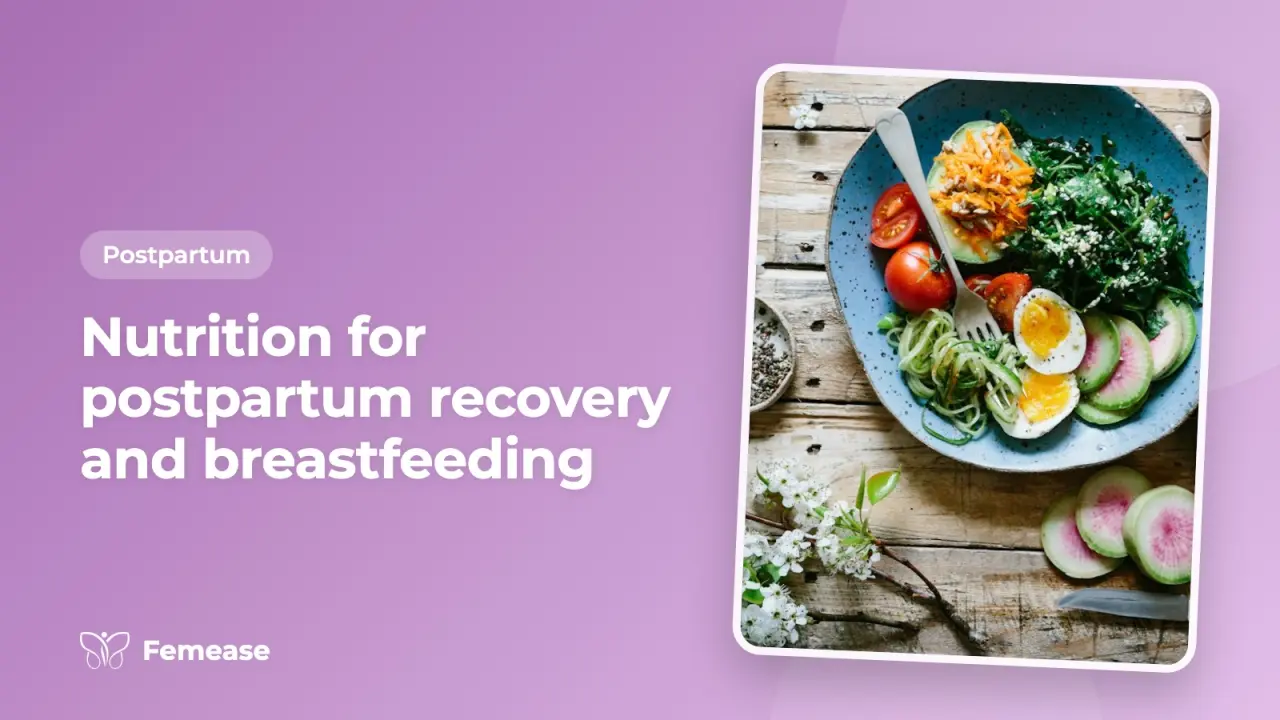
In short: Suva seeds, also called dill seeds, are a traditional Indian food for new mothers. They are believed to support milk supply and are used to ease gas, bloating and digestion in the weeks after birth. In Ayurveda, new mothers are also given warm, cooked, easy-to-digest food like khichdi, moong dal and ghee. No single food guarantees milk flow. If you are worried about your milk supply or your baby's weight, talk to a doctor.
Postpartum recovery and breastfeeding demand a kind of nourishment that goes deeper than calories and protein. It’s about rebuilding tissues, balancing hormones, calming the nervous system, and supporting milk production, all while you’re likely sleep-deprived, sore, and navigating a completely new rhythm of life.
I want to share the kind of postpartum nutrition that truly supports healing, rooted in both science and ancient tradition.
Why postpartum nutrition is different
During pregnancy, your body stretches, expands, and gives selflessly. Post-birth, it needs restoration, physically, emotionally, and energetically. Ayurveda beautifully describes this stage as "Sutika Kala", a sacred 42-day period where the mother must be deeply nurtured. The body's agni (digestive fire) is weak, the vata dosha (governing movement and nervous system) is high, and the tissues (dhatus) are depleted. If this imbalance isn't addressed, it can lead to issues like poor digestion, low immunity, hair loss, joint pain, mood swings, and inadequate milk supply.
The four pillars of postpartum nutrition
Let’s go beyond “eat more” and look at what your body truly needs:
1. Warm, moist, cooked foods – because your agni is delicate
Forget salads and cold smoothies for now. Your digestive fire is low, and your body needs easy-to-digest, warm meals.
What to eat:
- Khichdi with ghee and cumin
- Methi or ajwain paratha with jeera-cooked veggies,
- Moong dal soups, bone broth, or lightly spiced vegetable stews.
- Steamed rice with ghee and turmeric
These help rebuild your digestive strength while soothing the gut and replenishing energy.
2. Ojas-enhancing foods – for strength, immunity & emotional stability
Ojas is your life essence — what gives glow to your skin, strength to your body, and calm to your mind. You lose a lot of it during labor. Ojas-building foods include:
- Almonds soaked overnight (peeled, lightly sautéed in ghee)
- Dates and figs stewed with cinnamon
- Warm milk infused with saffron, cardamom, and nutmeg
- Ghee, soaked sesame seeds, and jaggery
Think of these as your body’s emotional and physical reinforcements.
3. Galactagogues – for healthy & consistent breast milk supply
There’s no single food that guarantees milk flow, but certain traditional foods are commonly used to support lactation:
- Fenugreek (methi) – in laddoos, parathas, or teas
- Shatavari – in Ayurveda, traditionally given to new mothers to support lactation
- Dill seeds (suva) – traditionally used to support milk supply
- Garden cress seeds (halim) – rich in iron and protein, great in ladoos
- Poppy seeds and ajwain – calms vata, aids digestion, and many families believe a mother eating it eases baby’s colic too (never give ajwain water or any herb directly to a young baby)
Talk to your doctor before taking any herb or supplement while breastfeeding.
4. Herbal ghee & spiced water, small rituals that heal
In Ayurveda, food is healing, and the how is just as important as the what.
Try these daily:
- Ajwain or cumin seed water: Sip it warm throughout the day to reduce bloating and support digestion.
- Postpartum herbal ghee: In Ayurveda, ghees prepared with herbs like dashmool, ashwagandha, or bala are traditionally given to new mothers to help tissue repair and recovery. Check with your doctor before taking a herbal ghee while breastfeeding.
- Golden milk with turmeric, ghee, and nutmeg: Best at bedtime for calming nerves and aiding sleep.
A gentle word on laddoos
Yes, our grandmothers knew what they were doing. Traditional postpartum laddoos aren’t just delicious — they’re packed with healing ingredients like dry fruits, gondh (edible gum), methi, ajwain, and jaggery. But moderation is key. One or two per day is enough.
Avoid these during early postpartum
- Cold, raw, or dry foods (they aggravate vata)
- Caffeine and processed sugar (they dehydrate and spike anxiety)
- Spicy or heavy-to-digest meals (they may upset both your and your baby’s digestion)
Questions women ask
What are the benefits of suva seeds for breastfeeding mothers?
Suva (dill) seeds are traditionally used in India to support milk supply and to ease gas, bloating and digestion after delivery. They are often added to laddoos, seed water or tempering. No single food guarantees milk flow.
How can I add suva seeds to my diet after delivery?
Many families add a small amount of suva seeds to warm water, dal, khichdi or postpartum laddoos. Use them as part of normal home food. Check with your doctor before taking any herbal mix or supplement while breastfeeding.
What should I eat after delivery for recovery and breastfeeding?
Eat warm, cooked, easy-to-digest meals like khichdi with ghee, moong dal soup, vegetable stews and methi or ajwain paratha. Add soaked almonds, dates, figs and sesame. Drink plenty of water and eat to your hunger.
What foods support breast milk supply?
Methi, suva, garden cress seeds (halim) and ajwain are traditional choices. Feeding your baby often, resting and drinking enough fluids matter most. If you think your supply is low or your baby is not gaining weight, see a doctor or lactation expert.
When should a new mother see a doctor the same day?
Go the same day for fever, a hot, red or painful breast, or foul-smelling discharge. Go to hospital straight away for heavy bleeding that soaks a pad in an hour, chest pain or breathlessness, or a painful swollen leg. If you have any thoughts of harming yourself or your baby, get help straight away: go to the nearest emergency or call Tele-MANAS, India's free mental health helpline, on 14416.
General information, not medical advice. Talk to a doctor about your own health.
Talk to a doctor about your recovery after birthKeep reading in the Femease app
Save articles, track your cycle or pregnancy, and talk to a doctor when you need one.
Keep reading

Navigating postpartum with multiples
Postpartum with twins or triplets? Honest help on recovery, sleep, breastfeeding multiples, emotions, home routines and when to talk to your doctor.

The importance of nutrition during pregnancy
What to eat in pregnancy? Learn the key nutrients you need, like folic acid, iron and calcium, foods to include, and foods to avoid for you and baby.
Nutrition for lactation-related deficiencies
How breastfeeding can deplete nutrients like iron, B12, calcium, and magnesium.
Postpartum food aversions and cravings: why they happen
Can't stand foods you used to love, or craving sweets after delivery? How hormones, breastfeeding and sleep shape your appetite, and what helps.

Postpartum rage
Angry all the time after your baby? Learn what postpartum rage feels like, why it happens, and what you can do, including when to talk to a professional.

Matrescence: The emotional birth of a mother
Understanding the psychological and emotional transformation during the transition into motherhood
