Postpartum rage
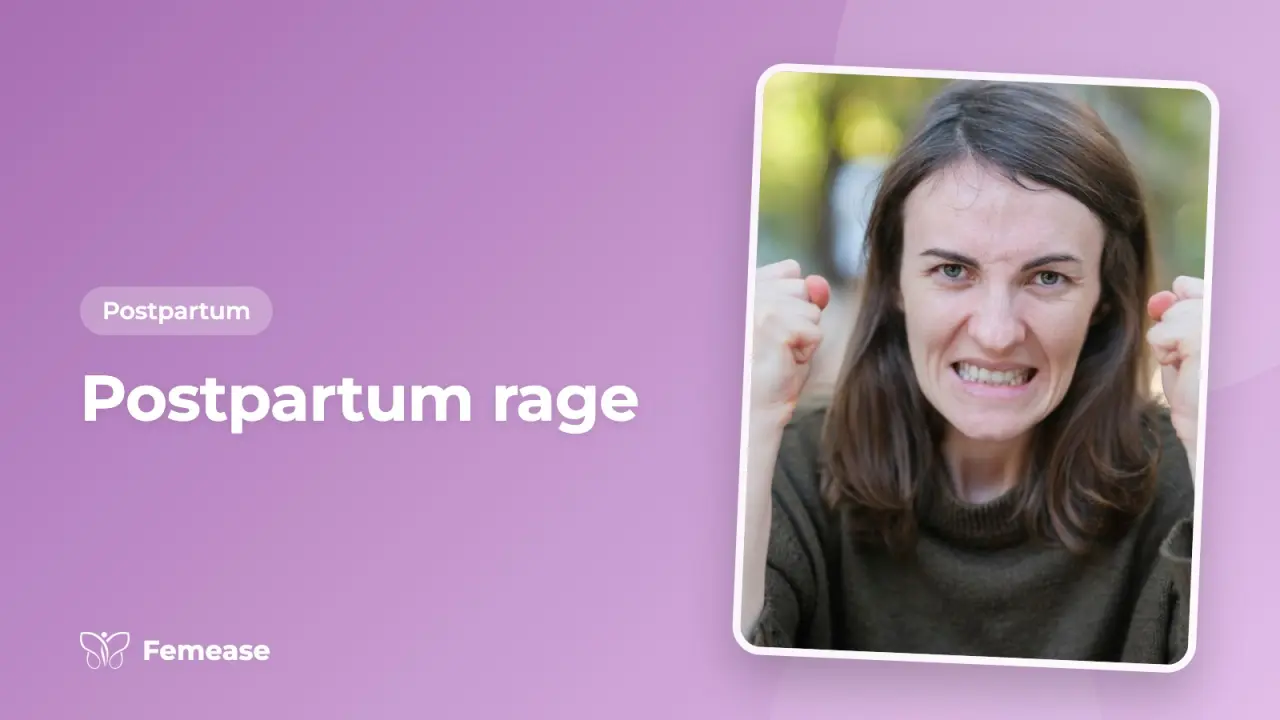
In short: Postpartum rage is sudden, intense anger after having a baby that feels out of proportion and out of control. It is common and it does not make you a bad mother. Falling hormones, lack of sleep, a heavy mental load and too little support all feed it, and sometimes it is a sign of postpartum depression or anxiety. Talking about it, rest and real help at home make a difference. If the anger is constant, frightening or hurting your relationships, see your gynaecologist or a therapist.
When we think of postpartum emotions, we often picture tears, exhaustion, and tender moments with a new baby. But what happens when, instead of sadness or joy, what you feel is anger—sharp, hot, and sometimes uncontrollable? If you've ever found yourself snapping at your partner over the smallest thing, yelling into a pillow in frustration, or feeling like you're about to explode because the baby just won't stop crying, you're not alone. Welcome to a lesser-known but very real part of the postpartum experience: Postpartum Rage.
Wait… Rage? Is That Even Normal?
Yes. It’s more common than people talk about—and way less talked about than postpartum depression or anxiety. But for many new moms, rage shows up as part of that emotional mix. You're not a bad mom. You're not failing. You're human—one who's likely overwhelmed, exhausted, undersupported, and full of hormones.
What Does Postpartum Rage Feel Like?
It can look different for everyone, but some common signs include:
- Sudden bursts of anger that feel out of proportion to the situation
- Yelling, slamming doors, or feeling like you could scream.
- Feeling guilty or ashamed after losing your temper
- A sense of being out of control or unlike yourself
- Anger that feels constant or impossible to "shake off"
Many moms describe it as a switch flipping, one minute fine, the next moment boiling over.
So, Why Is This Happening?
1. Hormonal Havoc
After giving birth, your hormones plummet rapidly. Combine that with sleep deprivation and possibly breastfeeding hormones (like prolactin), and your emotional regulation takes a hit.
2. Sleep Deprivation
Not sleeping? That’s a recipe for emotional chaos. Even small losses of sleep can increase irritability and reduce impulse control.
3. Mental Load & Overwhelm
You're managing feedings, diaper changes, healing, maybe older kids, household tasks, and feeling like everything is on you. That invisible mental load can build up into explosive frustration.
4. Unspoken Expectations
Many moms feel pressure to be grateful, happy, and calm—even when their reality is chaos. When your real emotions don’t match what you think they “should” be, the disconnect can intensify your anger.
5. Postpartum Mood Disorders
Sometimes rage is a symptom of postpartum depression (PPD) or postpartum anxiety (PPA). These conditions don’t always show up as sadness or worry—they can also show up as anger.
What Can You Do About It?
1. Talk About It
Rage thrives in silence and shame. Speak to your partner, a close friend, or a therapist. Saying it out loud can be incredibly freeing, and it helps you realize you're not the only one.
2. Check In With a Professional
If the anger is constant, scary, or affecting your relationships, reach out to a therapist or your OB/GYN. Postpartum mood disorders are treatable, and help is available.
3. Create Space for Yourself
It’s okay to take a break. Step outside. Breathe. Call in support. Ask someone to hold the baby while you regroup. Even 10 minutes alone can help.
4. Reframe the Guilt
Feeling guilty after an outburst? Try this: Instead of “I’m a bad mom,” say, “I had a hard moment. I’m learning. I need care, too.” You're healing, just like your baby is growing.
5. Build a Support System.
Whether it’s your partner, your mom, a friend, or an online community, don’t go through this alone. Ask for help. Accept it. You deserve support as much as your baby does.
Remember this, you are not broken. You're not the only one who feels this way. You're not just a mom—you’re a whole person, adjusting to one of the biggest life transitions there is. Postpartum rage doesn’t make you a bad mother. It makes you a mother who’s struggling and strong enough to ask, “What’s going on with me?” That question is a powerful first step toward healing.
Questions women ask
What is postpartum rage?
It is strong, sudden anger in the months after birth, such as snapping at your partner, yelling, slamming doors or feeling ready to explode, often followed by guilt. Many mothers say it feels like a switch flipping. It can be part of postpartum depression or anxiety.
Is mom rage after birth normal?
It is common and more talked about now, but you do not have to just live with it. Exhaustion, hormone changes and doing everything alone can push anyone to the edge. Naming it and asking for help is a strong first step.
How is postpartum rage treated?
Start with support: share the load at home, get stretches of sleep, and take short breaks while someone else holds the baby. Talking to a therapist helps many mothers. If it is part of postpartum depression or anxiety, a doctor can suggest the right treatment, and it does get better.
What can I do in the moment when the anger rises?
Put the baby down somewhere safe, like the cot, and step away for a few minutes. Breathe slowly, splash water on your face or step outside. Later, be gentle with yourself and remind yourself you had a hard moment, not that you are a bad mother.
When does postpartum anger need urgent help?
Get help straight away if you feel you might hurt your baby, yourself or someone else, if you have thoughts of self-harm, or if you feel completely out of control. Go to the nearest emergency, call Tele-MANAS, India's free mental health helpline, on 14416, or call someone you trust right away, and do not stay alone with the baby.
General information, not medical advice. Talk to a doctor about your own health.
Talk to a doctor about your recovery after birthKeep reading in the Femease app
Save articles, track your cycle or pregnancy, and talk to a doctor when you need one.
Keep reading

Motherhood, guilt and rage
Meera's story about postpartum rage

Navigating postpartum with multiples
Postpartum with twins or triplets? Honest help on recovery, sleep, breastfeeding multiples, emotions, home routines and when to talk to your doctor.
Postpartum depression: symptoms, baby blues and getting help
Postpartum depression symptoms, how it differs from baby blues and postpartum psychosis, how long it lasts, what helps, and when to get help the same day.
Mental health and sound sensitivity (misophonia)
When everyday sounds trigger rage, panic, or overstimulation, how does it affect relationships?

Self-care for new moms
Self-care for new moms: simple tips for Indian mothers on traditional postpartum practices, good food, rest, gentle activity, support and me-time.

Nutrition for postpartum recovery and breastfeeding
What to eat after delivery? Postpartum food basics for recovery and breastfeeding, from warm cooked meals and ghee to laddoos and foods to avoid.
