Postpartum depression: symptoms, baby blues and getting help
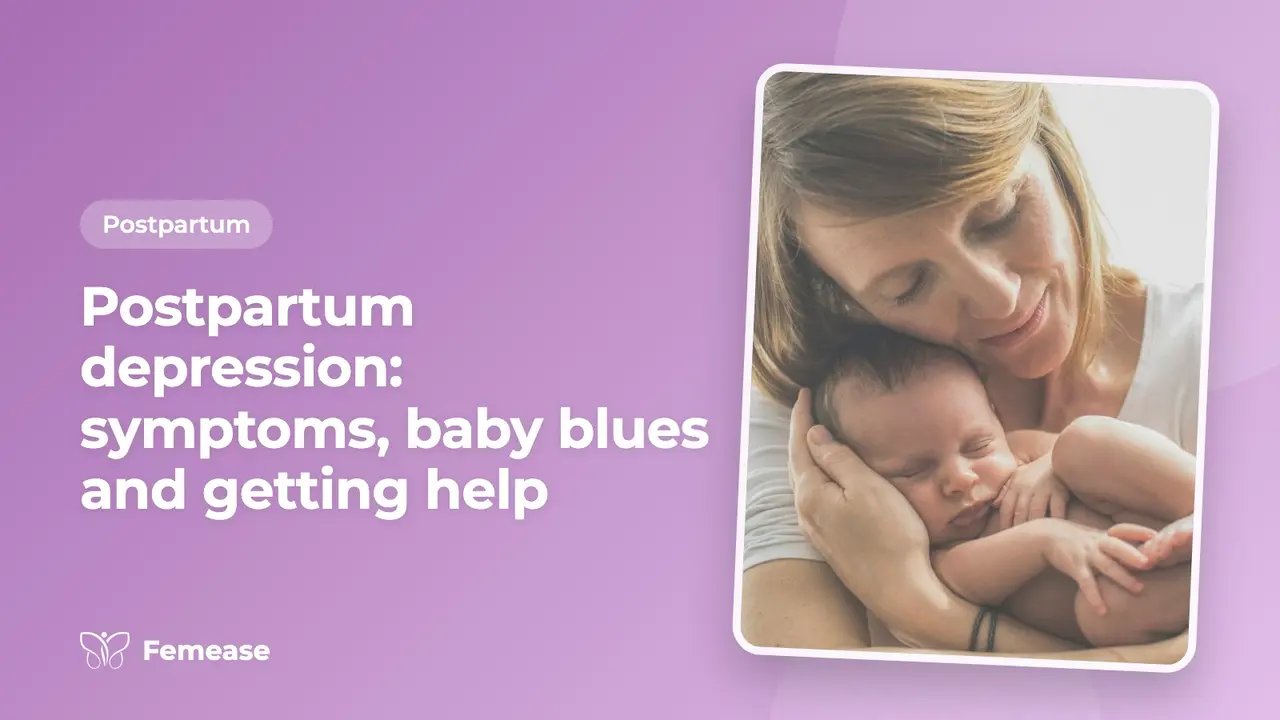
In short: Postpartum depression is a low mood, loss of interest, anxiety or hopelessness that lasts more than two weeks after having a baby and makes daily life hard. It is different from the "baby blues", which are common and pass within about two weeks. It can start any time in the first year after birth. It is an illness, not a weakness, and it can be treated. See a gynaecologist or doctor if your low mood lasts beyond two weeks.
Everyone expects a new mother to be glowing with happiness. So when you feel sad, numb, irritable or scared instead, it can feel shameful and lonely. You might wonder what is wrong with you, or worry that people will think you are a bad mother.
Please hear this: you are not a bad mother, and you are not alone. Postpartum depression is a real health condition. With the right support and treatment, women do get better.
What is postpartum depression?
Postpartum depression (also called postnatal depression, or PPD) is depression that happens after childbirth. In Hindi it is sometimes described as prasav ke baad ka avsaad.
It is caused by a mix of things: the big drop in hormones after birth, broken sleep, the physical recovery, the huge change in your life, and sometimes stress at home or past mental health problems. It can happen after a first baby or a fifth, after an easy birth or a difficult one.
Baby blues, postpartum depression and postpartum psychosis
These three are often mixed up, but they are very different.
Baby blues are very common. They usually start in the first few days after birth. You may feel weepy, moody, anxious or overwhelmed. They usually pass on their own within about two weeks with rest and support.
Postpartum depression lasts longer than two weeks, feels heavier, and gets in the way of daily life. It can start during pregnancy or any time in the first year after birth.
Postpartum psychosis is rare but a medical emergency. It usually starts suddenly in the first few weeks after birth. Signs include confusion, seeing or hearing things that are not there, strange or fixed beliefs, extreme restlessness, or not sleeping at all. If you or a family member notice these, go to a hospital straight away.
Symptoms of postpartum depression
You may not have all of these. Look at how you have felt most days for more than two weeks:
- Feeling sad, empty, hopeless or tearful most of the time
- Losing interest in things you used to enjoy
- Feeling numb or not connected to your baby
- Constant worry, panic or racing thoughts
- Feeling irritable, angry or snapping at people
- Feeling guilty, worthless, or that you are failing as a mother
- Trouble sleeping even when the baby sleeps, or sleeping too much
- Changes in appetite
- Pulling away from family and friends
- Finding it hard to concentrate or make decisions
- Frightening thoughts about harm coming to your baby
- Thoughts that your family would be better off without you
Anger can also be a big part of it. You can read more in postpartum rage.
How long does postpartum depression last?
There is no fixed time period. Without help, postpartum depression can last for many months, and sometimes beyond the first year. With treatment and support, most women start to feel better over weeks to months.
If you are a year or more after birth and still feel low, it is still worth getting help. It is never too late.
What helps
Postpartum depression is not something you can just "snap out of". But there is a lot that helps, alongside care from a doctor:
- Talk about it: tell your partner, mother, sister or a close friend how you really feel. Saying it out loud is often the first step.
- Share the load: let others help with cooking, cleaning and night feeds so you can rest.
- Protect your sleep: sleep when you can, and ask someone to take a feed or two so you get a longer stretch.
- Eat regularly: simple, warm meals like dal, khichdi, eggs, curd and fruit.
- Get outside: a short walk or sitting in sunlight can lift your mood a little.
- Connect with other mothers: you will find many feel the same.
- Talking therapy: a counsellor or psychologist can help you work through your thoughts and feelings.
The changes of becoming a mother are huge. Our article on matrescence, the emotional birth of a mother explores this, and postpartum support systems beyond family has ideas for building help around you.
For partners and family
Often the people around a new mother notice the signs first. Watch for her seeming withdrawn, crying a lot, not eating, not sleeping, or saying she cannot cope. Listen without judging, take over chores, and gently help her see a doctor. Do not tell her to "be grateful" or "think positive".
When to see a gynaecologist
Talk to your gynaecologist, family doctor or a mental health professional if your low mood or anxiety lasts more than two weeks, is getting worse, or makes it hard to care for yourself or your baby. You can raise it at your postnatal check-up, or book a visit sooner.
If you have thoughts of harming yourself or your baby, get help straight away: go to the nearest hospital emergency or call Tele-MANAS on 14416.
Go to the hospital emergency straight away if:
- You have thoughts of harming yourself or your baby
- You or your family notice confusion, seeing or hearing things, or very strange behaviour
Go to a doctor the same day if:
- You feel hopeless or that life is not worth living
- You cannot eat, sleep or look after yourself or your baby
- You have not slept at all for a couple of nights in a row and feel unusually restless
You can also call Tele-MANAS, India's free mental health helpline, on 14416, at any time of day or night. If you are in danger right now, go to the nearest hospital emergency.
A doctor can check your physical health too, for example with blood tests for thyroid problems or anaemia, which can make you feel low and tired. They can then suggest the right treatment, which often includes talking therapy. It is safe to ask for help while breastfeeding.
Questions women ask
Postpartum depression kya hota hai?
Postpartum depression ek mental health condition hai jo delivery ke baad hoti hai. It means feeling sad, anxious, numb or hopeless for more than two weeks after having a baby, in a way that affects daily life. It is common and can be treated.
What is the difference between postpartum depression and postpartum blues?
Baby blues start in the first few days after birth and usually pass within about two weeks. Postpartum depression lasts longer, feels heavier, and makes daily life hard. If low mood lasts beyond two weeks, see a doctor.
Can postpartum depression start after 1 year?
It usually starts within the first year, often in the first few months. But it can be noticed later, or continue past a year if it was not treated. Whenever it starts, it is worth getting help.
How is postpartum depression treated?
Treatment depends on how severe it is. It often includes talking therapy, practical support at home, rest, and regular check-ins with a doctor. A doctor can suggest the right treatment for you, including options that are safe while breastfeeding.
Is postpartum depression my fault?
No. It is caused by a mix of hormone changes, lack of sleep, life changes and stress. It is not a sign of weakness or of being a bad mother, and asking for help is a strong, loving choice.
General information, not medical advice. Talk to a doctor about your own health.
Talk to a doctor about your recovery after birthKeep reading in the Femease app
Save articles, track your cycle or pregnancy, and talk to a doctor when you need one.
Keep reading

Grief vs. Depression
Is it grief or depression? Learn how grief differs from depression, the symptoms to watch for, and when it's time to reach out for professional help.
The impact of blue light on hormonal health, not just sleep
How screen time disrupts melatonin, cortisol, and reproductive hormones.
Why suppressed anger can manifest as anxiety or depression
Understanding the hidden link between repressed emotions and mental health.
How burnout differs from depression (but can lead to it)
Identifying early signs of emotional exhaustion in personal and professional life

After delivery, how many days of bleeding is normal?
Bleeding after delivery (lochia) usually lasts up to about 6 weeks. Learn normal colour changes, C-section bleeding, home care and warning signs to act on.
Postpartum care
Postpartum care: what to expect after giving birth, from physical recovery, rest, food and pelvic floor care to your emotions and asking for help.
