Why suppressed anger can manifest as anxiety or depression
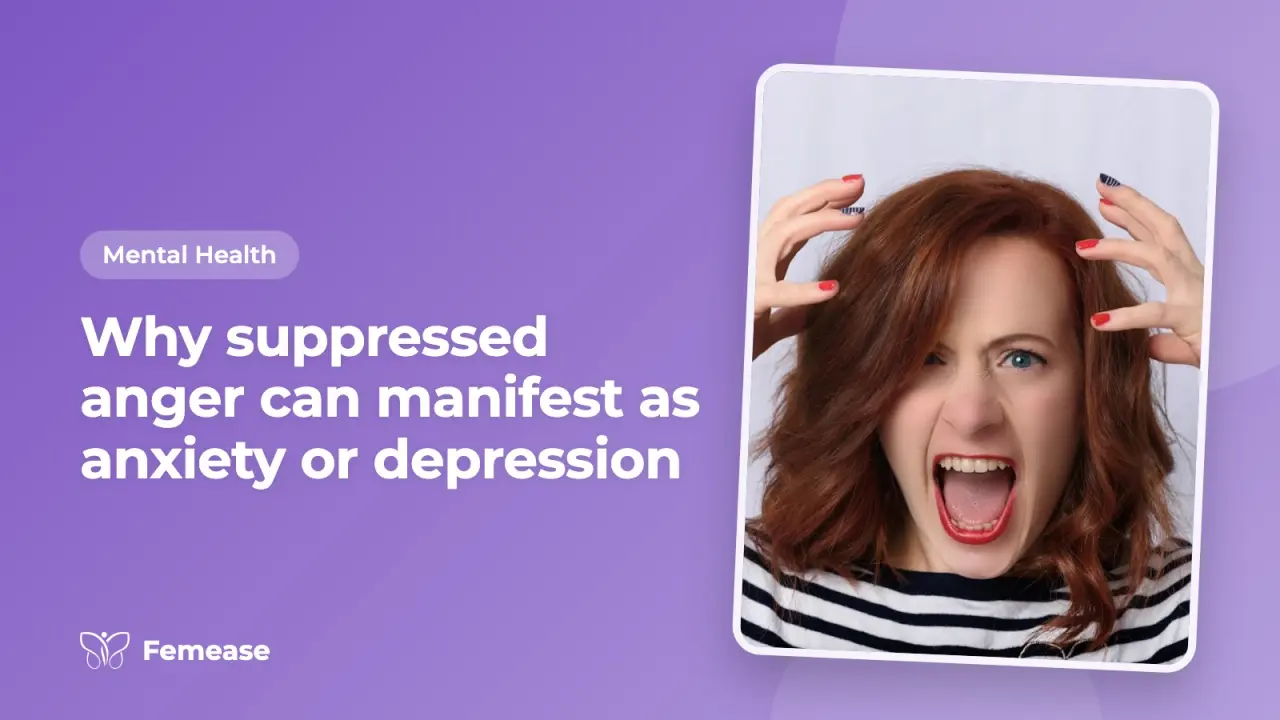
In short: Anger that you keep pushing down does not disappear. It can keep your body on high alert, which feels like anxiety, or turn inward as self-blame, tiredness and numbness, which can feel like depression. Anger is a normal signal that something matters to you. Journaling, movement, setting boundaries and therapy can help you express it safely. If anxiety or low mood lasts more than two weeks or affects daily life, see a doctor or counsellor.
Have you ever felt a knot in your stomach, your chest heavy, or your mind spinning for no clear reason? Maybe you brushed it off as stress or anxiety. But what if that persistent unease is something deeper, something you have been unknowingly bottling up?
Many of us are taught from a young age to avoid showing anger. “Don’t be dramatic,” “Stay calm,” or “It’s not a big deal”, these messages are meant to keep the peace. But over time, they may lead us to suppress real, valid feelings. And when anger does not have a way out, it does not disappear. It finds other paths, often showing up as anxiety or depression.
What is suppressed anger?
Suppressed anger is anger that we do not allow ourselves to express. It could be a result of:
- Fear of conflict
- Cultural or family expectations to “stay quiet” or “keep it together”
- Believing that anger is a sign of weakness
- Wanting to please others or avoid judgment
Instead of feeling it and letting it move through us, we push it down. But our nervous system does not forget.
How suppressed anger turns into anxiety or depression
Here is what happens beneath the surface:
1. Anxiety as internal alarm bells
When anger is pushed down, the body stays on high alert. You may find yourself constantly worried, restless, or unable to relax, classic signs of anxiety. That is because your nervous system is trying to signal: Something is not right.
Think of suppressed anger like steam trapped in a pressure cooker. The heat is still there. It builds. But since it is not being released, it creates a sense of unease, your body’s way of saying, “Please listen.”
2. Depression as emotional shutdown
Over time, when anger has no outlet, it can turn inward. You may start to feel numb, hopeless, or chronically tired. That fire, once meant to protect your boundaries or voice your needs, dims.
Instead of being angry at the situation or others, you begin blaming yourself. “Maybe it’s me,” “Maybe I am just not enough.” This internalized frustration becomes self-directed, which is a hallmark of depression.
The real-life impact
- A woman in her 30s might constantly feel anxious at work, but the root is unspoken resentment over being overlooked for promotions.
- A man in his 40s might feel low and disconnected, not realizing it stems from years of not speaking up in his marriage.
- A teenager who is always irritable might be swallowing anger about not being heard at home.
These are not just emotions; they affect relationships, physical health, and the way we see ourselves.
Why do we need to normalize anger
Anger is not bad. It is an emotional signal that something matters to us; maybe a boundary was crossed, maybe we were hurt or treated unfairly. Just like joy or fear, it is there to guide us.
But when we treat anger as shameful or unacceptable, we deny a part of our humanity.
How to safely process suppressed anger
Healing does not mean yelling or exploding. It means learning how to connect with your anger and give it space to breathe. Here are a few ways to start:
- Journaling: Write freely about what is bothering you, even if it feels petty or irrational.
- Therapy: A mental health professional can help you unpack years of suppressed emotions safely.
- Body movement: Practices like yoga, boxing, or dance can release tension that words sometimes cannot.
- Boundaries: Begin by saying no to things that drain you. Your voice matters.
- Self-compassion: Understand that you had good reasons to suppress anger; it was a way to survive. Now, you can choose differently.
Anxiety and depression do not always come from external stress or “chemical imbalances.” Sometimes, they are messages from our deepest, quietest emotions, like anger, asking to be seen.
Instead of fearing anger, what if we listened to it?
Questions women ask
Can suppressed anger cause anxiety?
It can add to it. When anger is pushed down, the body can stay tense and on alert, so you feel restless, worried or unable to relax without a clear reason. Like steam in a pressure cooker, the feeling is still there.
How is suppressed anger linked to depression?
When anger has no outlet, it can turn inward. Instead of feeling upset at a situation, you start blaming yourself, and you may feel numb, hopeless or always tired. Not all depression comes from anger, but it can be one part.
Why do so many women suppress anger?
Many are taught early to stay calm, keep the peace and not make a fuss. Fear of conflict, family expectations and wanting to please others all play a part. Holding it in may once have felt safer, and you can learn other ways now.
How can I let out anger safely?
Write freely in a journal, move your body through walking, dance or yoga, and practise saying no to things that drain you. A therapist can help you work through years of held-in feelings. Expressing anger does not mean shouting.
When should I get help for anxiety or low mood?
See a doctor or counsellor if anxiety or low mood lasts more than two weeks or gets in the way of work, sleep or relationships. If you have thoughts of harming yourself, get help straight away: call Tele-MANAS on 14416 or go to the nearest emergency, and tell someone you trust.
General information, not medical advice. Talk to a doctor about your own health.
Talk to a therapistKeep reading in the Femease app
Save articles, track your cycle or pregnancy, and talk to a doctor when you need one.
More about mental health
High-functioning anxiety and depression
Doing well outside but struggling inside? Learn what high-functioning anxiety and depression look like, why they're hard to talk about, and where to start.
Grief vs. Depression
Is it grief or depression? Learn how grief differs from depression, the symptoms to watch for, and when it's time to reach out for professional help.
How early experiences shape adult anxiety
Understanding the deep connection between emotional safety in childhood and anxiety in adulthood, and how to begin healing.
How burnout differs from depression (but can lead to it)
Identifying early signs of emotional exhaustion in personal and professional life
Navigating envy, guilt & shame without beating yourself up
A real talk guide to embracing “negative” emotions with compassion, not criticism
The silent storage of trauma in the body
Uncover how stress, anxiety, and pain can trace back to a dysregulated nervous system, and how to release it with “Somatic Experiencing”
