Emotional wellness for women: simple daily ways
Emotional wellness means noticing and coping with your feelings. Learn why women often put themselves last and simple everyday ways to build resilience.
How you feel matters as much as your body. Read about anxiety, low mood, stress and grief, and when to talk to someone.
Talk to a therapistEmotional wellness means noticing and coping with your feelings. Learn why women often put themselves last and simple everyday ways to build resilience.
Everyday steps that ease anxiety and stress, what to do when your heart races, and when to get help, including India's Tele-MANAS helpline.
High-functioning anxiety and depression means doing well outside while struggling inside. Learn the signs and why it is hard to talk about.
Living alone is not harmful by itself, but little company or variety can leave your senses dull. Learn why it happens, who is at risk and small daily habits.
Trauma can make time feel stuck, missing or rushed. This is a real stress response. Learn the signs, what helps you feel present and when to get support.
Non-verbal therapy uses art, music, dance and play when feelings are hard to say aloud. See who it can suit, how to begin and why no talent is needed.
Mental bandwidth is how much your mind can handle at once. See how absorbing other people's stress drains it, and the signs you are running low.
Yes, childhood can shape adult anxiety. Learn how a lack of safety affects the brain, how it shows up later, and what recovery looks like in adult life.
Art therapy uses drawing, clay or scribbling to release feelings, and you need no skill. See how it calms stress and when to see a certified therapist.
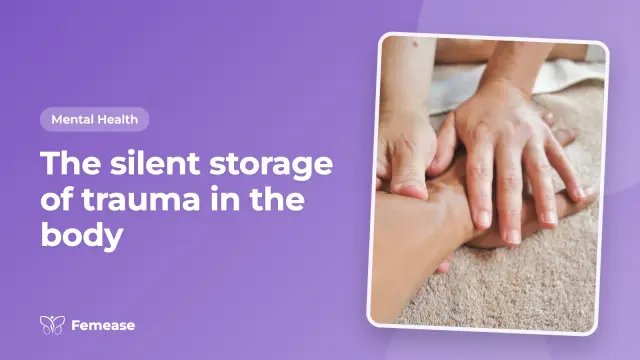
Trauma can show up as tight muscles, poor sleep or stomach trouble. Learn what somatic experiencing is, what a session is like and what evidence says.
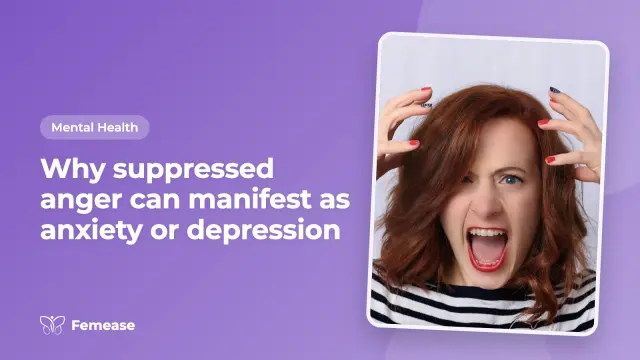
Anger you push down does not vanish. It can feel like anxiety or low mood. Learn the signs, why it happens and gentle ways to let anger out.
Envy, guilt and shame are normal feelings, not signs you are a bad person. Learn what each one means and how to move through them without self-judgment.
Quiet sadness for paths you did not take is real, even when life is good. Learn why it hurts, why it is not ingratitude, and how to make peace with it.
Misophonia is real, not over-sensitivity. Sounds like chewing can trigger anger or anxiety. Learn how it affects life and what helps you cope day to day.
Harsh self-talk can feed stress and low self-esteem. Learn to notice your inner critic, question it and speak to yourself like a friend.
Emotional intelligence is understanding feelings. Emotional capacity is staying with them. Learn the difference and how to build your capacity gently.
Calm music and nature sounds can help you relax and sleep. Learn how sound affects the mind, and what is known about 432 Hz and binaural beats.
Hustle culture says you must always be busy to have worth. See how it leads to guilt, shame and burnout, and what a healthier idea of ambition looks like.
Burnout comes from long-term stress, while depression touches every part of life. Learn how they differ, how burnout can lead to it and signs to watch.
Mindfulness can feel unsafe for some, especially with trauma or anxiety, and that is not your fault. See gentler options and when to seek professional help.
Those who have learned to rely only on themselves may struggle silently with trust, connection, and asking for help.
Procrastination is usually not laziness but a way to avoid hard feelings. See how shame feeds the cycle and simple steps like naming the feeling to restart.
Some mental health conditions are lived quietly, like inward BPD, mental OCD rituals and PTSD numbness. Learn the signs and why coping well can hide pain.
Toxic productivity ties your worth to how much you do. See how it keeps your mind on alert, leads to anxiety and burnout, and how to rest without guilt.
A new job, motherhood or divorce can leave you feeling lost, which is normal. See why these shifts hit hard, how to support your mind, and when to get help.
PMDD is a severe form of PMS that brings intense mood swings, sadness, anxiety and anger before your period. The signs, why it happens and when to get help.
You can feel lonely with hundreds of contacts, as loneliness is about depth of connection. Learn who feels it most, health effects and small steps.
Grief comes in waves, while depression weighs on most of the day for at least 2 weeks. Learn how to tell them apart and when to ask for help.
Toxic positivity pushes real feelings away, as in just smile. See how it shows up, why hiding emotions backfires and how to support yourself and others.
Self-sabotage means your own actions get in the way of goals you care about. Learn the common roots, like fear of failure and low self-worth.
Digital burnout is screen exhaustion, while tech addiction is compulsive use, and many have both. See the signs, tips that help and when to seek support.
RSD means intense, quick emotional pain after rejection or criticism. It is not an official diagnosis, but see the signs, who it affects and how to cope.
Likes can start to feel like your worth, and comparison can lower self-esteem. See why we seek validation and how to curate your feed and take breaks.
Feeling anxious and hopeful by turns during IVF or IUI is common. See ways to cope, from mindfulness and relaxation to support groups, and when to get help.
A few minutes of mindfulness a day can help you feel calmer. Try mindful breathing, a body scan or slow eating, and know when to seek help.
Yes, hormones can affect your mood and anxiety. See how periods, pregnancy and menopause play a part, the signs to watch for and what helps day to day.
Your gut and brain talk through nerves and gut bacteria. Learn how food, sleep and stress affect digestion and mood, and when to see a doctor if it lasts.