When talking fails, this kind of therapy speaks volumes
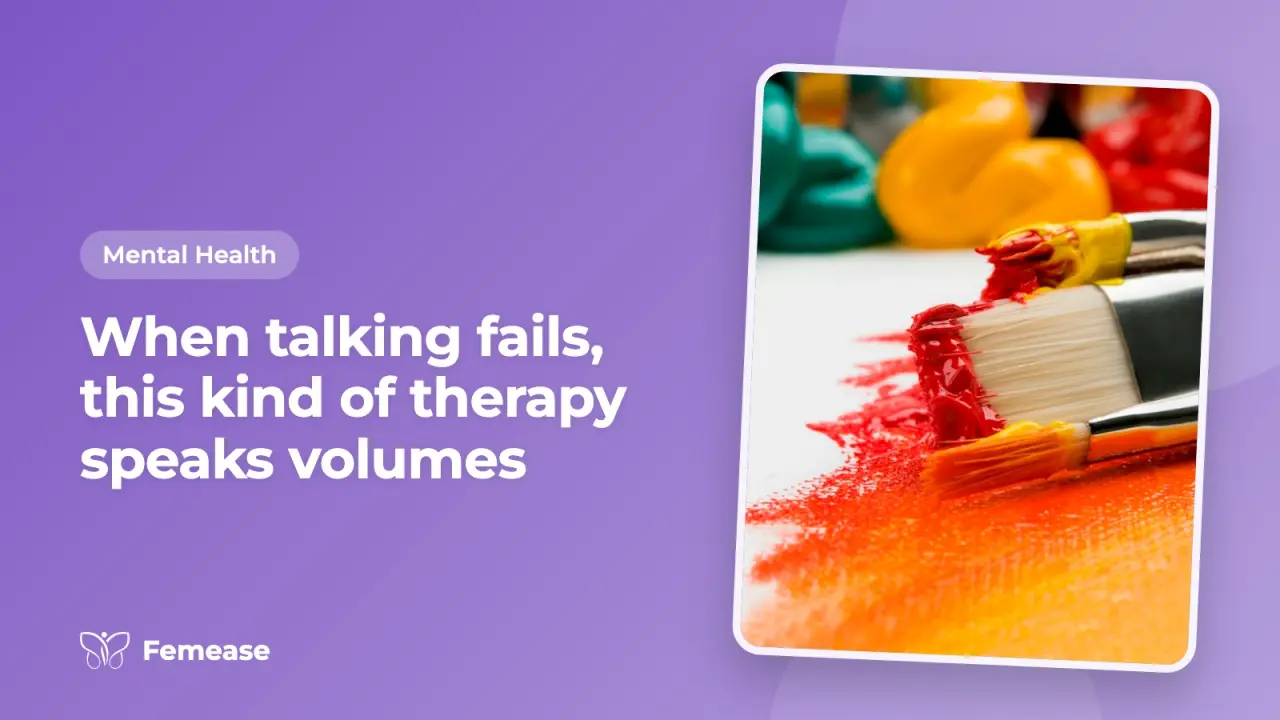
In short: Non-verbal therapy helps people heal without having to talk. It uses art, music, dance, movement and play to express feelings that are hard to put into words. It can suit trauma survivors, children, people on the autism spectrum, people with social anxiety and anyone grieving. You do not need any talent to try it. A trained art, music or dance/movement therapist can guide you safely.
Some pain is too deep for words. Some stories cannot be spoken. But they can be painted, danced, sculpted, or sung. And for many people, especially trauma survivors, children, neurodivergent individuals, or those with speech or emotional barriers, non-verbal creative therapy is not just helpful, it is healing.
In a world that often says "talk it out," what happens to those who cannot?
What is non-verbal therapy?
Non-verbal therapy is an umbrella term for therapeutic approaches that do not rely on spoken words. Instead, people communicate and process experiences through art, music, dance, movement, and other creative channels.
Unlike traditional talk therapy, which requires verbal reflection, non-verbal therapy meets you exactly where you are, even if that place feels raw or wordless.
Why can some people not talk about their pain
There are many reasons someone might find talking difficult or unsafe:
- Trauma survivors sometimes experience emotional or physical shutdown when discussing their memories.
- Children often lack the language to explain their feelings, but can naturally express themselves through drawing or play.
- People on the autism spectrum may struggle with verbal communication, yet thrive when given alternative means to connect.
- Individuals with social anxiety or selective mutism may feel paralyzed by the expectation to speak.
- Anyone in grief may find that words simply don’t feel big enough.
When the nervous system is overwhelmed, talking about what hurts can make it worse. In these moments, creative therapy creates space for safe expression without pressure.
How creative expression supports healing
Creativity taps into the subconscious. When you draw, sculpt, dance, or strum a guitar, you access emotions and memories you might not be able to name.
Here’s how non-verbal creative therapies help:
Release pent-up emotions that have no words. Reduce anxiety and stress by focusing on the sensory experience. Promote self-understanding through visual or embodied metaphors. Rebuild a sense of agency when trauma has taken it away. Strengthen connection with therapists or peers through shared creative activities.
This is why art therapy, dance/movement therapy, and music therapy are increasingly used in hospitals, mental health clinics, schools, and community programs.
Real-life examples
Art therapy for PTSD: Veterans and trauma survivors have used art therapy to process combat memories or abuse without having to retell them verbally. For some people, visual expression can help ease symptoms of PTSD and depression.
Music therapy for autism: Children on the autism spectrum often communicate more easily through rhythm and melody. Music therapy can improve social skills and emotional regulation.
Dance/movement therapy for grief: Mourning can feel locked in the body. Movement helps release stored tension and allows grief to transform.
These are not abstract ideas; they are evidence-based interventions that change lives every day.
How to start using creative expression for healing
You don’t need to be an artist. You don’t need to perform for anyone. You only need to be willing to explore.
Here are some gentle ways to begin:
Art journaling: No rules. Doodle, paint, collage, or scribble to express your mood. Music playlists: Create playlists that match or shift your emotions. Play an instrument if you can. Movement breaks: Put on music and let your body move in any way it wants, even if it is just swaying. Try a professional therapy session: Certified art therapists, music therapists, or dance/movement therapists can guide you safely.
Questions women ask
What is non-verbal therapy?
It is an umbrella term for therapy that does not depend on spoken words. People express and work through feelings by drawing, painting, sculpting, making music, dancing or moving, usually with a trained therapist.
Who can benefit from non-verbal therapy?
It can help people who find talking hard or unsafe, such as trauma survivors, young children, people on the autism spectrum, people with social anxiety or selective mutism, and anyone in grief who feels words are not enough.
What are some non-verbal therapy techniques I can try at home?
Keep an art journal and doodle or scribble your mood, make playlists that match or shift your feelings, or put on music and let your body sway. There are no rules and no need to be good at it.
Is expressive arts therapy the same as art therapy?
They overlap. Art therapy mostly uses visual art like drawing and painting, while expressive arts therapy may combine art, music, movement and drama. Both are guided by trained therapists and focus on expression, not skill.
General information, not medical advice. Talk to a doctor about your own health.
Talk to a therapistKeep reading in the Femease app
Save articles, track your cycle or pregnancy, and talk to a doctor when you need one.
Keep reading
The surprising science of art therapy
How random doodles calm your brain, unlock emotions, and support mental health.
How music, frequency, and sound affect mental states
Exploring sound therapy, binaural beats, and how auditory environments can heal or harm.
When rejection feels like a punch
Does rejection hurt more than it should? Learn what rejection sensitive dysphoria (RSD) is, who it affects, the signs, and ways to manage it, like therapy.

Irregular periods in gen z, a rising health concern no one’s talking about
Understanding the real causes behind irregular cycles and how Gen Z can reclaim their hormonal health
How carrying others’ emotions drains your mental bandwidth
Learn to set emotional boundaries without losing your compassion or connection.
Why trauma warps your sense of time (and what you can do about it)
Understand temporal dysregulation, a lesser-known symptom of trauma, and discover healing strategies that work.
