When rejection feels like a punch
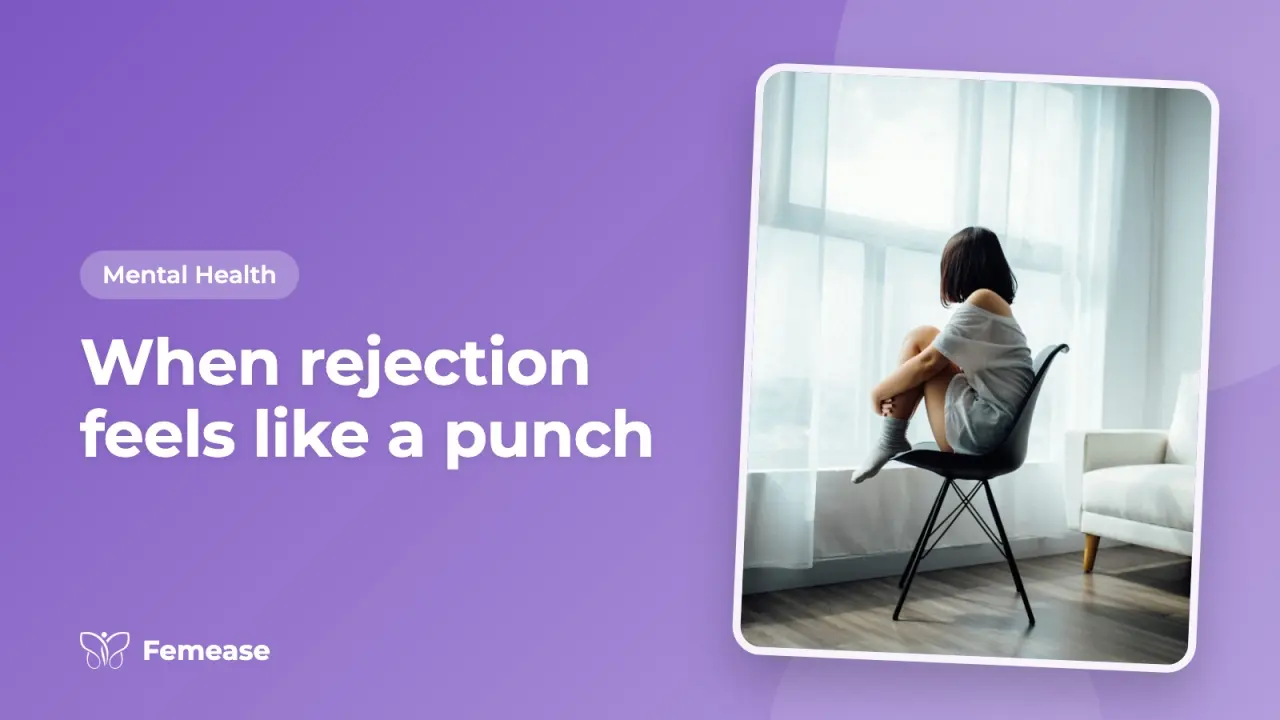
In short: Rejection sensitive dysphoria (RSD) describes intense, fast emotional pain after real or imagined rejection or criticism. It is not an official diagnosis, but it is often talked about by people with ADHD, and sometimes autism. It can lead to people-pleasing, avoiding situations and replaying small moments for days. Understanding it, therapy such as CBT or DBT, and safe people can help. If it is affecting your life, see a mental health professional.
Have you ever felt like your world crumbled over what someone else might consider a harmless comment? Or spiraled into shame because someone didn’t reply to your message right away? If this sounds familiar, you’re not alone—and you’re not too sensitive. There’s a name for this: Rejection Sensitivity Dysphoria, or RSD.
What is RSD?
RSD isn’t just about not liking rejection. Nobody likes being rejected. But for people with RSD, the emotional pain from real or perceived rejection can feel unbearable, like a punch to the gut. The word "dysphoria" means an intense state of unease or dissatisfaction, and in this case, it's triggered by social rejection or criticism.
RSD is not officially recognized as a standalone mental health diagnosis, but it's a term widely used, especially in conversations around ADHD (Attention Deficit Hyperactivity Disorder). Many people who live with ADHD report experiencing RSD as one of the most emotionally difficult aspects of their condition.
It's not just “being dramatic.”
Imagine this: your friend cancels plans, and your brain doesn’t just register “They’re busy.” Instead, it screams, “They don’t like me. I must have done something wrong. I’m a burden.”
It’s like your nervous system has a hair-trigger alarm that goes off at the tiniest sign of disapproval—even when none exists. And what makes it harder is, most people won’t understand why you’re so affected. They might say you’re overreacting, overly emotional, or too sensitive. But the truth is, RSD reactions happen fast and are often out of your control.
Who does RSD affect?
RSD is most commonly linked to people with neurodevelopmental conditions, especially:
ADHD
Autism Spectrum Disorder (ASD)
Mood disorders (though less commonly associated)
Research hasn’t nailed down the exact causes of RSD, but some experts believe it could be due to differences in emotional regulation and neurological wiring, especially in people with ADHD.
Signs you might be experiencing RSD
You experience extreme emotional pain when criticized or rejected.
You often read too much into what others say or do, assuming they’re upset with you.
You avoid situations where rejection might happen, even if it means missing opportunities.
You tend to people-please excessively to avoid disapproval.
Your reactions feel instant and overwhelming, and you might even experience physical symptoms like flushing, heart racing, or tightness in the chest.
You ruminate for hours or days over minor social interactions.
What RSD feels like
People with RSD often describe a sudden rush of shame, replaying one offhand comment for weeks, or feeling like they are constantly auditioning for approval.
That level of emotional intensity isn’t a choice, it’s the way the nervous system responds. Unfortunately, it can lead to burnout, depression, and social withdrawal, especially if the person feels constantly misunderstood.
How can you manage RSD?
While there's no official treatment specifically for RSD, many people find relief with a combination of approaches:
Understand your brain
Just naming it—*“This is RSD. It’s not me being too much, it’s my nervous system reacting”—*can make a huge difference. Understanding that this is a neurological response, not a character flaw, helps reduce shame.
Therapy
Therapies like CBT (Cognitive Behavioral Therapy), DBT (Dialectical Behavioral Therapy), or ACT (Acceptance and Commitment Therapy) can help you manage the intense emotions and automatic negative thoughts that come with RSD.
Set gentle boundaries
You’re not obligated to please everyone. Setting emotional boundaries with yourself and others can help you build resilience, one step at a time.
Find your safe people
Not everyone gets it—and that’s okay. But having even one person who listens without judgment can be incredibly healing. Whether it’s a friend, therapist, or support group, feeling seen helps soothe the sting of perceived rejection.
Questions women ask
What are the symptoms of rejection sensitive dysphoria?
Extreme emotional pain when criticised or rejected, reading too much into what others say, avoiding situations where rejection could happen, people-pleasing, replaying small interactions for hours or days, and physical signs like a racing heart, flushing or chest tightness during the reaction. If you have chest pain that does not settle, or you faint, go to hospital straight away.
Is RSD linked to ADHD?
It is most often described by people with ADHD, and many say it is one of the hardest parts of living with it. Some autistic people describe it too. RSD is not an official diagnosis, and its causes are not fully known, so a mental health professional can help you understand what is going on.
Why does rejection hurt so much?
For some people, the brain reacts to signs of disapproval like an alarm, even when none is meant. A friend cancelling can feel like proof you are not liked. This intensity is not a choice or a character flaw, and naming it can reduce the shame.
How can I manage rejection sensitivity?
Remind yourself, "This is my nervous system reacting, not the truth about me." Therapies like CBT, DBT or ACT can help with intense emotions and automatic negative thoughts. Set gentle boundaries, stop trying to please everyone and keep at least one safe, non-judging person close.
General information, not medical advice. Talk to a doctor about your own health.
Talk to a therapistKeep reading in the Femease app
Save articles, track your cycle or pregnancy, and talk to a doctor when you need one.
Keep reading
Sensitive to smells and sounds in pregnancy? Why
Smells, sounds and touch can feel like too much when you're pregnant. Why it happens, and calm ways to cope with sensory overload.
Breastfeeding aversion and dysphoria
The little-known emotional discomfort or revulsion some women experience while breastfeeding.
The surprising science of art therapy
How random doodles calm your brain, unlock emotions, and support mental health.
When talking fails, this kind of therapy speaks volumes
Hard to put your pain into words? Learn how creative, non-verbal therapies like art, dance and music can help trauma survivors, children and others heal.
High-functioning anxiety and depression
Doing well outside but struggling inside? Learn what high-functioning anxiety and depression look like, why they're hard to talk about, and where to start.
Digital burnout vs. Tech addiction
Drained by your phone and screens? Learn the difference between digital burnout and tech addiction, the signs of each, and small steps that help.
