The surprising science of art therapy
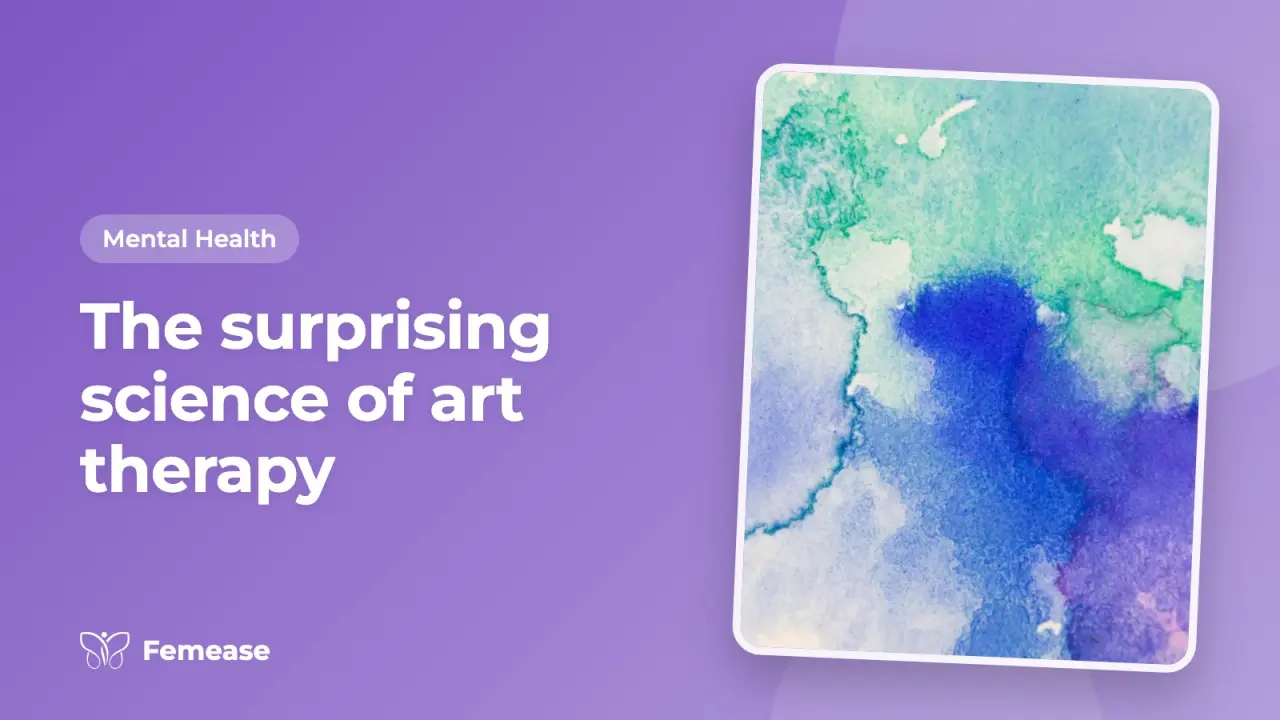
In short: Art therapy is a form of therapy that uses drawing, painting, clay or even simple scribbling to help you express and release feelings. You do not need to be good at art. Making art can calm stress, lift mood and help you notice feelings that are hard to say out loud. You can try scribbling or emotion drawing at home, but for trauma, anxiety, depression or grief, a certified art therapist can guide you safely.
Have you ever found yourself absentmindedly doodling during a meeting or scribbling in the margins of a notebook? What if we told you that those random lines and swirls could be doing more for your mental health than you think?
Welcome to the world of art therapy, where even the simplest act of scribbling becomes a powerful tool for emotional release and healing. Backed by science and practiced in clinical settings, art therapy is gaining attention not just for its creativity but for its ability to soothe the mind, reduce stress, and unlock feelings we often struggle to express with words.
What is art therapy?
Art therapy is a form of psychotherapy that uses creative expression to improve mental, emotional, and even physical well-being. You do not need to be an artist or even “good at art” to benefit from it; in fact, some of the most healing work begins with simple scribbles.
Art therapy can involve drawing, painting, collage, clay work, or just free-form scribbling. The goal is not to create a masterpiece, but to let your emotions speak through your hands.
The neuroscience of scribbling: what is happening in the brain?
When you engage in scribbling or any form of creative expression, your brain activates its reward pathways, like what happens during meditation or physical activity.
Here is what science says:
- Reduced cortisol: Creative activity can help lower cortisol levels, the hormone responsible for stress.
- Improved mood: Art-making boosts levels of dopamine, the “feel-good” neurotransmitter.
- Whole-brain activation: While scribbling, multiple areas of the brain work together, including those responsible for motor skills, emotional regulation, and memory.
- Access to the subconscious: Scribbling can bypass the logical filters of the brain, helping you uncover thoughts or feelings that are hard to verbalize.
In other words, scribbling is not just a mindless movement; it is a deeply rooted neurological release.
Why scribbling feels so good
Have you noticed how a child instinctively picks up a crayon and draws with abandon? That is because scribbling is one of our earliest forms of self-expression. It is primal, unfiltered, and non-judgmental.
Here is why it works for people of all ages:
- It frees you from perfectionism. Unlike structured art, scribbling is not about skill. It allows you to let go.
- It creates a sense of control. In chaotic times, even controlling a pen on paper brings comfort.
- It grounds you in the present. Much like mindfulness, scribbling keeps you connected to the moment.
- It stimulates creativity and problem-solving. Once your brain loosens up, you may notice a shift in clarity or perspective.
Scribbling in Practice
While certified art therapists work with individuals facing trauma, anxiety, depression, or grief, anyone can practice art therapy-inspired methods at home.
Here are some ways to get started:
- Scribble journal: Dedicate a few pages to daily scribbles. Do not overthink, just move your hand.
- Emotion drawing: Feeling overwhelmed? Draw how your emotion might look as a shape, line, or texture.
- Music + markers: Play instrumental music and let your pen move with the rhythm.
- Color your stress: Pick a color that matches your mood and fill the page with it.
Remember: It is not about creating something beautiful. It is about externalizing what’s inside in a safe, non-verbal way.
What the Experts Say
Creative expression can improve cognitive function, reduce depression and anxiety, and help people cope with trauma. Hospitals, rehabilitation centers, and mental health clinics now incorporate art therapy into their treatment plans.
Scribbling may seem small or silly, but its impact is anything but. In a world where we are pressured to be productive, articulate, and composed, a scribble offers rare freedom. It gives your emotions a voice, your thoughts a resting place, and your nervous system a much-needed break.
So, the next time you feel overwhelmed, anxious, or just creatively blocked, pick up a pen. Let the scribbles flow.
Questions women ask
What is art therapy for mental health?
It is a type of therapy where creative work, such as drawing, painting, collage or clay, is used to explore and express emotions. The aim is not a beautiful picture but letting feelings come out through your hands.
Does art therapy help with anxiety?
Making art can calm the body's stress response, keep you focused on the present and give you a sense of control. Many people feel more settled after it. For ongoing anxiety, work with a certified art therapist or talk to a doctor.
What are the benefits of scribbling for adults?
Scribbling frees you from perfectionism, grounds you in the moment and can bring up thoughts that are hard to put into words. Try a daily scribble journal, drawing your emotion as a shape, or colouring a page in your mood's colour.
General information, not medical advice. Talk to a doctor about your own health.
Talk to a therapistKeep reading in the Femease app
Save articles, track your cycle or pregnancy, and talk to a doctor when you need one.
Keep reading
The science of yawning
Why yawning isn’t just about sleepiness, its surprising link to temperature regulation, stress, and brain oxygenation.
When talking fails, this kind of therapy speaks volumes
Hard to put your pain into words? Learn how creative, non-verbal therapies like art, dance and music can help trauma survivors, children and others heal.

7 surprising signs that you are dehydrated
Always tired or getting headaches? You may be dehydrated. Learn 7 signs women often miss, from dull skin and sugar cravings to poor focus.
The gut-brain connection
Can food affect your mood? Learn how your gut and brain talk to each other, and how fibre, fewer processed foods and good sleep may support mental health.
The silent storage of trauma in the body
Uncover how stress, anxiety, and pain can trace back to a dysregulated nervous system, and how to release it with “Somatic Experiencing”
How early experiences shape adult anxiety
Understanding the deep connection between emotional safety in childhood and anxiety in adulthood, and how to begin healing.
