The silent storage of trauma in the body
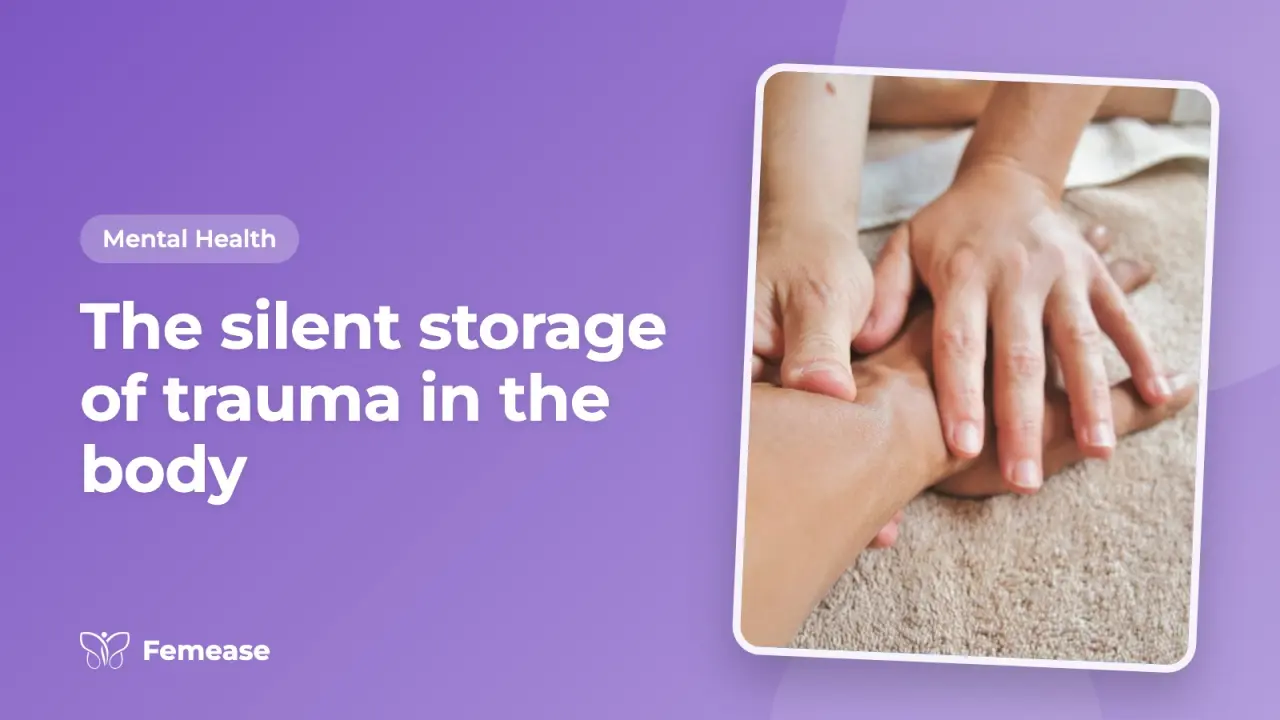
In short: Trauma can affect the body as well as the mind. After an overwhelming event, the nervous system can stay stuck in fight, flight or freeze, which may show up as tight muscles, stomach trouble, poor sleep, numbness or constant alertness. Somatic Experiencing is a body-focused approach some people find helpful, though evidence is still limited; trauma-focused CBT and EMDR have the strongest evidence. Always get new physical symptoms checked by a doctor first, and look for a trained practitioner.
Have you ever wondered why certain memories make your heart race, your throat tighten, or your stomach drop, even when you know you are safe? Trauma is not just something that happens in your mind. It settles deep into the body, shaping how you feel, think, and react. This is the heart of Somatic Experiencing, a body-centered approach to healing trauma and chronic stress.
What Is Somatic Experiencing?
Somatic Experiencing (SE) is a therapeutic method developed by Dr. Peter A. Levine. Unlike traditional talk therapy, SE focuses on bodyawareness as the primary tool for resolving trauma.
The central idea is simple but profound: when something overwhelming happens, our nervous system gets stuck in fight, flight, or freeze responses. Even after the event has passed, the body still holds on to that survival energy. This can lead to symptoms like:
- Anxiety and hypervigilance
- Chronic pain or tension
- Digestive issues
- Emotional numbness
- Trouble sleeping
Somatic Experiencing guides you to notice these sensations and slowly discharge the trapped survival energy so your nervous system can return to balance.
Where trauma lives in the body
Trauma not only affects memory. It shows up physically, often in unexpected ways. Here are some common places it hides:
- Muscles and fascia: Chronic tightness in the shoulders, neck, or jaw can be a protective response.
- Gut: The enteric nervous system (your “second brain”) reacts to fear and stress, leading to nausea, IBS, or loss of appetite.
- Chest and heart: Tightness, heart palpitations, or shallow breathing can all reflect stored panic or grief (but always get chest symptoms checked by a doctor first).
- Limbs: Feelings of heaviness or numbness may indicate a freeze response.
If you’ve ever felt “stuck” in your body, that’s not your imagination; it’s how trauma imprints itself on the nervous system.
How somatic experiencing works
Somatic Experiencing therapy is not about rehashing traumatic stories in detail. Instead, it offers a safer, more gradual way to heal by:
Tracking sensations You learn to tune in to physical feelings; heat, tightness, tingling, without judgment.
Pendulation Therapists guide you between sensations of distress and feelings of safety, so your system does not get overwhelmed.
Discharge and completion Subtle movements like trembling, deep sighs, or warmth signal that the nervous system is releasing stored energy.
Integration After release, you may notice a sense of relief, spaciousness, or clarity, signs your body is completing an old survival cycle.
The science behind it
Trauma is known to affect the body as well as the mind. Unprocessed stress can affect:
- The amygdala (fear center)
- The hippocampus (memory and orientation)
- The vagus nerve (rest and digestion)
Somatic Experiencing taps into the body’s innate ability to restore balance when given a safe, supported environment.
Is somatic experiencing right for you?
People seek Somatic Experiencing for a variety of reasons, including:
- PTSD and developmental trauma
- Chronic pain syndromes
- Anxiety and panic attacks
- Burnout and overwhelm
- Medical or surgical trauma
- Car accidents or falls
If you feel like you have tried everything and still carry the weight of old experiences, SE may offer a fresh path to healing.
What to expect in a somatic experiencing session
Sessions usually last 50–60 minutes. A therapist will:
- Help you ground yourself in the present
- Guide you to notice body sensations at your own pace
- Support you in releasing stuck energy without forcing anything
- Teach yourself regulation skills to feel safer in your body
Many people find that Somatic Experiencing feels gentle and empowering, rather than retraumatizing.
Trauma is not just a story from your past; it lives in your nervous system. Somatic Experiencing offers a way to reconnect with your body, release old patterns, and rediscover resilience.
Questions women ask
Where is trauma stored in the body?
Trauma is not stored in one body part, but a stressed nervous system can show up as tightness in the neck, shoulders or jaw, stomach upset, shallow breathing, or heaviness and numbness in the limbs.
What is somatic experiencing therapy?
It is a body-centred approach to healing trauma developed by Dr. Peter Levine. Instead of retelling the story in detail, a therapist helps you notice body sensations slowly, move between distress and safety, and let stress in the body settle.
What happens in a somatic therapy session?
A therapist helps you feel grounded in the present, guides you to notice body sensations at your own pace, and teaches simple ways to calm yourself. Nothing is forced, and many people find it gentle rather than overwhelming.
Can chest tightness or a racing heart be from trauma?
Stress and trauma can cause these feelings, but never assume that. If you have chest pain or you faint, go to hospital straight away. If you have thoughts of harming yourself, get help straight away: go to the nearest hospital emergency or call Tele-MANAS, India's free mental health helpline, on 14416.
General information, not medical advice. Talk to a doctor about your own health.
Talk to a therapistKeep reading in the Femease app
Save articles, track your cycle or pregnancy, and talk to a doctor when you need one.
Keep reading
Why trauma warps your sense of time (and what you can do about it)
Understand temporal dysregulation, a lesser-known symptom of trauma, and discover healing strategies that work.

Silent postpartum anemia
Why many women walk around undiagnosed, confusing low energy with “normal tiredness”

Rising from the ashes
Riya’s Journey from Trauma to Triumph
How to manage anxiety and stress: what actually helps
Everyday steps that ease anxiety and stress, what to do when your heart races, and when to get help, including India's Tele-MANAS helpline.
Why suppressed anger can manifest as anxiety or depression
Understanding the hidden link between repressed emotions and mental health.
The surprising science of art therapy
How random doodles calm your brain, unlock emotions, and support mental health.
