Digital burnout vs. Tech addiction
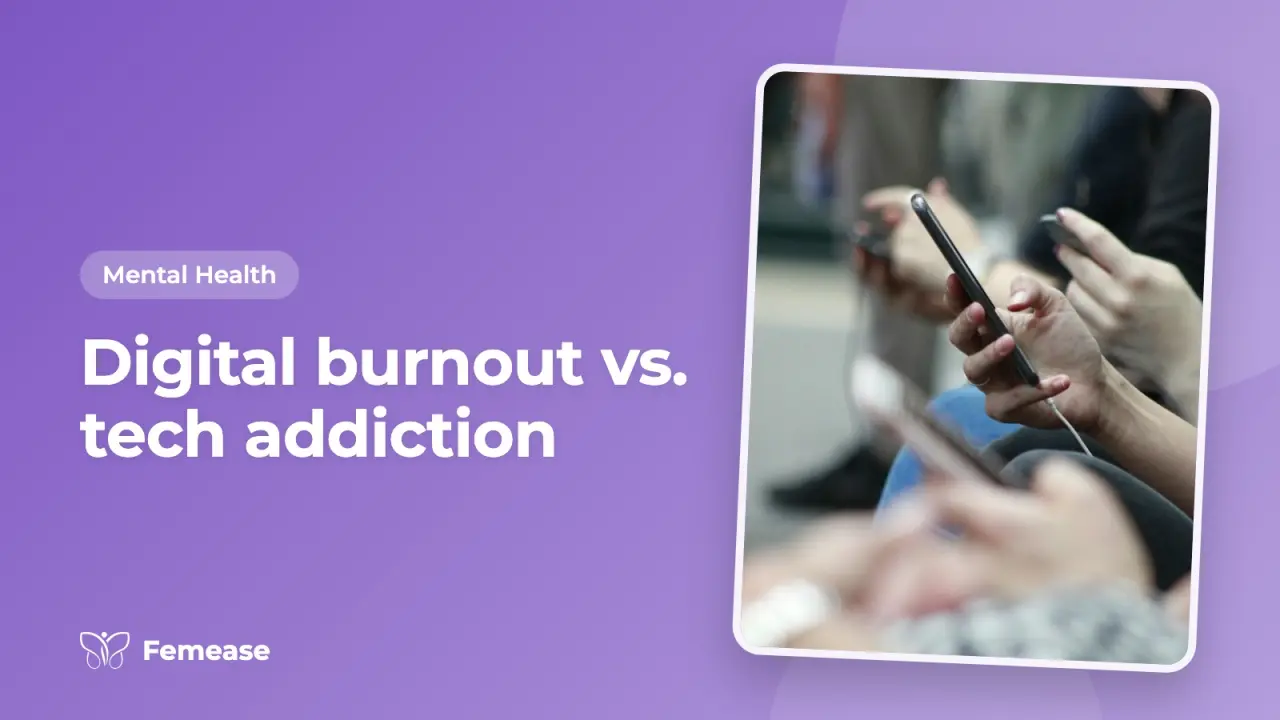
In short: Digital burnout is exhaustion from too many hours on screens, often for work, without rest or boundaries. Tech or phone addiction is compulsive use, where you reach for your phone without reason and feel anxious without it. Many people have a bit of both. Screen-free time around waking and sleeping, fewer notifications and more offline activities help. If screen use is hurting your mood, relationships or daily life, talk to a mental health professional.
Ever caught yourself scrolling Instagram, switching to emails, hopping to Netflix, then checking WhatsApp, all within 10 minutes? You’re not alone. We live in a digital maze, and while tech has given us superpowers, it's also quietly draining us. But here’s the kicker: not all tech overwhelm is the same.
There’s digital burnout, and then there’s tech addiction. They feel similar, but they aren’t. Let’s unpack both, gently and truthfully.
What is digital burnout?
Think of burnout as your brain waving a white flag. It’s tired, overworked, and overstimulated.
Digital burnout happens when you use technology, especially for work, for long hours without proper rest or boundaries. It’s not about loving tech too much, it’s about needing to be plugged in all the time.
Real Signs of Digital Burnout:
Constant headaches or eye strain
Feeling exhausted after screen time
Low motivation or brain fog
Trouble sleeping after late-night screen use
Dread when opening your laptop, even for simple tasks
Sound familiar? You’re not lazy or broken. You’re likely burned out.
Then, what is tech addiction?
Tech addiction is more about compulsive behavior. It’s when your brain starts craving screen time the way someone might crave sugar or caffeine.
It’s not just overuse, it’s dependence. You reach for your phone just because. You feel anxious without it. You scroll, even if you’re bored or unhappy.
Classic signs of tech addiction:
Checking your phone every few minutes (even without notifications)
Panic or irritability when your phone isn’t nearby
Replacing in-person interactions with digital ones
Losing hours to scrolling and not remembering what you saw
Feeling guilty about screen time but unable to stop
Here’s the gray area (because life is messy)
Sometimes it’s both. Maybe you’re burned out from emails during the day and then spiral into an Instagram, TikTok binge at night to “numb the stress.” One fuels the other.
We’ve all been there.
The trick is awareness, to know which part of your tech use is harming your mental health and why.
Tips that work (from real people, not just self-help books)
Start with digital curfews No screens 1 hour after waking or before sleeping. Even 30 minutes helps. Your nervous system will thank you.
Turn off non-essential notifications You don’t need to know every “like” in real time. Constant pings are a fast track to mental fatigue.
One screen, one task Multiscreening (watching TV while doomscrolling) adds to cognitive overload. Try to focus on one digital thing at a time.
Track usage honestly Use built-in features like screen time (iOS) or digital wellbeing (Android). Seeing the numbers is a wake-up call.
Reclaim offline joys Read a book, take a walk, cook, journal. Not as a punishment, but as a detox your soul secretly craves.
Seek support if needed If tech use is impacting your relationships, mood, or daily life, talk to someone. Mental health professionals are trained in behavioral addictions, too.
We don’t need to ditch tech to survive. We just need to use it intentionally, not as a crutch, not as a numbing tool, and not as a 24/7 job partner.
Questions women ask
What are the symptoms of digital burnout?
Frequent headaches or eye strain, feeling drained after screen time, low motivation or brain fog, trouble sleeping after late-night screen use and a sense of dread when opening your laptop. It is your mind asking for rest, not a sign that you are lazy.
What are the signs of phone addiction in adults?
Checking your phone every few minutes even without notifications, feeling panicky or irritable when it is not nearby, choosing screens over meeting people, losing hours to scrolling you cannot remember, and feeling guilty about screen time but being unable to stop.
How does screen time affect mental health in adults?
Constant pings and switching between apps tire the mind, and late-night scrolling can disturb sleep. Some people use screens to numb stress, which can turn into a cycle. Using tech with intention, one screen and one task at a time, helps protect your mood.
How can I reduce screen time without quitting completely?
Keep screens away for a while after waking and before sleep, turn off non-essential notifications and check your phone's screen time report honestly. Swap some scrolling for a walk, a book, cooking or journaling. If you cannot cut down, a mental health professional can help.
General information, not medical advice. Talk to a doctor about your own health.
Talk to a therapistKeep reading in the Femease app
Save articles, track your cycle or pregnancy, and talk to a doctor when you need one.
Keep reading

From burnout to balance
Priya’s Journey to Reclaiming Her Life
How burnout differs from depression (but can lead to it)
Identifying early signs of emotional exhaustion in personal and professional life

The mental impact of hustle culture
Chronic guilt, shame, and burnout stemming from always being “on” or never “enough.”

The loneliness epidemic
Feeling lonely even with a full phone? Learn why loneliness is rising, who feels it most, how it affects health, and simple ways to build real connection.

When rejection feels like a punch
Does rejection hurt more than it should? Learn what rejection sensitive dysphoria (RSD) is, who it affects, the signs, and ways to manage it, like therapy.
Self sabotage
Why do I keep getting in my own way? Learn what self-sabotage is, why it happens, from fear of failure to perfectionism, and kind ways to break the cycle.
