The mental impact of hustle culture
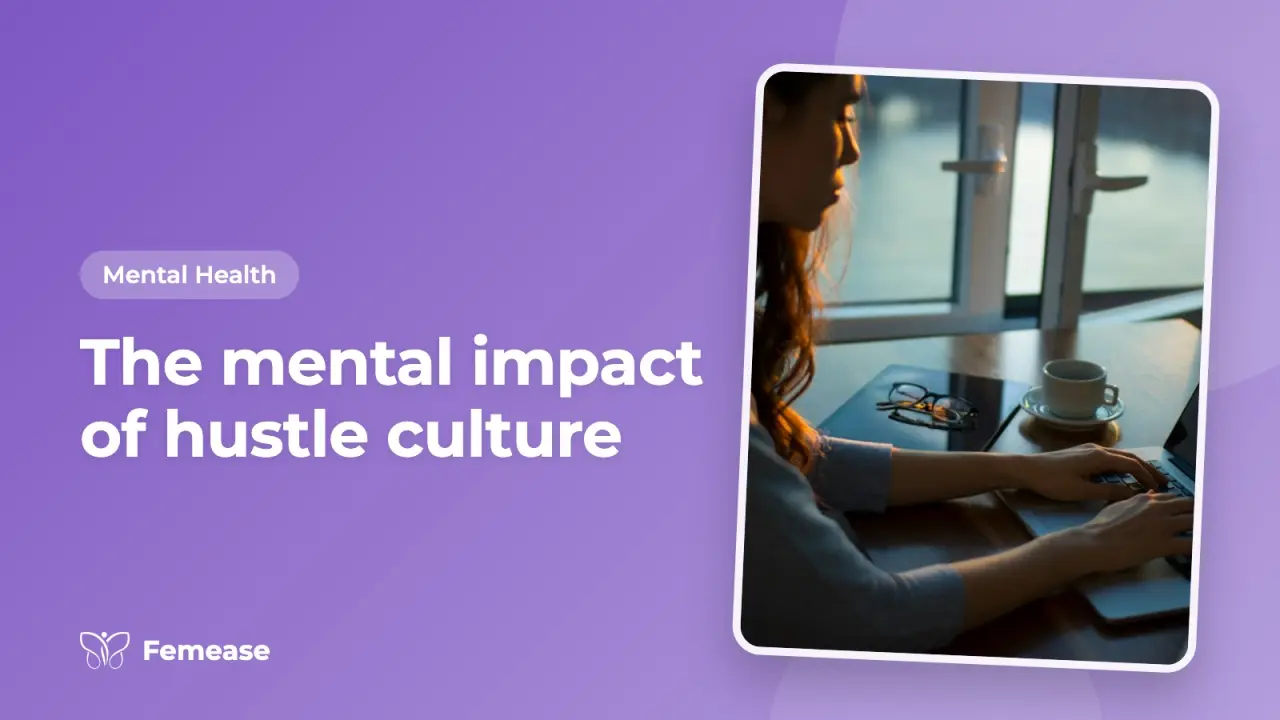
In short: Hustle culture is the belief that you must always be working, busy and productive to be worth something, with rest seen as laziness. It can feel motivating at first, but over time it often leads to constant guilt, a feeling of never being enough, and burnout. Healthy ambition looks different: clear boundaries, rest without guilt, and measuring success by growth, not hours. If you feel exhausted, numb or hopeless for weeks, talk to a doctor or counsellor.
“If you’re not working, you’re wasting time.” “Sleep is for the weak.” “Grind now, rest later.”
Sound familiar? These mantras are glorified in hustle culture, a lifestyle that equates self-worth with productivity. And while ambition and hard work are admirable, the relentless chase for more often leaves people emotionally drained, mentally fragile, and physically exhausted.
In this blog, we unpack the mental health impact of hustle culture, explore why it leads to chronic guilt, shame, and burnout, and offer healthier ways to approach ambition.
What is hustle culture?
Hustle culture is the idea that success only comes to those who are always working, those who wake up at 5 a.m., answer emails at midnight, skip meals, and glorify being busy. It is rooted in the belief that doing more means being more.
But here is the truth: hustle culture is not sustainable. It is a fast track to emotional exhaustion, not enlightenment.
The unseen weight: Chronic guilt
Even on your days off, do you feel bad for not doing enough?
That is chronic guilt, a heavy, internal voice whispering that you are falling behind, even when you are doing your best. In hustle culture, rest is labeled as laziness. So, when you are not working, guilt creeps in, whispering: “You should be doing more.” “You haven’t earned this break.” “You’re not trying hard enough.”
This is not motivation, it is emotional manipulation.
Shame: When you feel like you are never enough
Hustle culture does not just make you feel bad for not doing it, it makes you feel bad for being.
You start comparing your behind-the-scenes to someone else’s highlight reel. You feel ashamed for not reaching that 6-figure income by 25, or not having a side hustle while working full-time. The toxic loop becomes:
Work more → Still feel inadequate → Work even more → Burnout.
This cycle feeds impostor syndrome, anxiety, and low self-esteem.
Burnout: The final crash
Burnout is not just tiredness, it is total depletion. Mentally. Physically. Emotionally. You stop enjoying the things you used to love. Your brain feels foggy. Your body feels heavy. You are constantly irritated, anxious, or numb.
The World Health Organization recognises burnout as a workplace phenomenon, with signs like:
- Exhaustion
- Mental distance from your job
- Reduced professional efficacy
Yet hustle culture romanticizes burnout as a badge of honor.
The social media trap
Instagram reels of 4 a.m. routines, Twitter threads boasting 80-hour workweeks, YouTube “grind set” vloggers, all of it makes overworking seem aspirational. But much of it is curated and exaggerated.
What we do not see are the therapy sessions, the breakdowns, or the lost relationships behind the screen.
So.. what is the alternative?
The opposite of hustle culture is not laziness, it is balance.
Here is what healthy ambition looks like:
- Setting boundaries: Logging off after work hours without guilt.
- Pacing yourself: Productivity is not a sprint; it is a marathon.
- Redefining success: Measuring progress by personal growth, not just output.
- Valuing rest: Realizing that downtime fuels creativity and resilience.
You are more than your to-do list
You are not a machine. You are a human being. Your value is not in your busyness. You do not need to earn rest. You do not need to prove your worth by pushing yourself to collapse. You do not need to feel guilty for simply existing.
It is okay to slow down. It is okay to do less. It is okay to just be.
Hustle culture might promise success, but it often delivers shame and burnout. Taking care of your mental health is not counterproductive; it is the foundation for any long-term achievement.
Questions women ask
What is hustle culture?
It is a way of living and working that glorifies being busy all the time, early mornings, late-night emails, skipped meals and no days off. It ties your self-worth to how much you produce.
Why is hustle culture bad for mental health?
It makes rest feel like failure, so you feel guilty when you stop and ashamed when you compare yourself to others. Pushing without a break can lead to anxiety, low self-esteem and burnout.
What are the signs of burnout?
Feeling drained all the time, losing interest in things you used to enjoy, a foggy mind, feeling irritated, anxious or numb, and pulling away from your work. If this lasts for weeks, it is a sign to slow down and get support.
How do I step away from hustle culture?
Set clear work hours and log off without guilt, pace yourself, rest on purpose and judge success by your growth, not just your output. Remember that social media routines are often exaggerated. Talk to a counsellor if you feel stuck.
General information, not medical advice. Talk to a doctor about your own health.
Talk to a therapistKeep reading in the Femease app
Save articles, track your cycle or pregnancy, and talk to a doctor when you need one.
Keep reading
How toxic productivity culture fuels anxiety
The glorification of hustle and how it disconnects people from rest, identity, and joy
How hypervigilance impacts a new mom’s rest and mental health
The hidden toll of always checking if the baby’s okay, why it is more than just “being careful.”
Navigating envy, guilt & shame without beating yourself up
A real talk guide to embracing “negative” emotions with compassion, not criticism
The hidden impact of shallow breathing on your health
Many people breathe into the chest, not the diaphragm, leading to low oxygenation and chronic tension.
How burnout differs from depression (but can lead to it)
Identifying early signs of emotional exhaustion in personal and professional life
How music, frequency, and sound affect mental states
Exploring sound therapy, binaural beats, and how auditory environments can heal or harm.
