How toxic productivity culture fuels anxiety
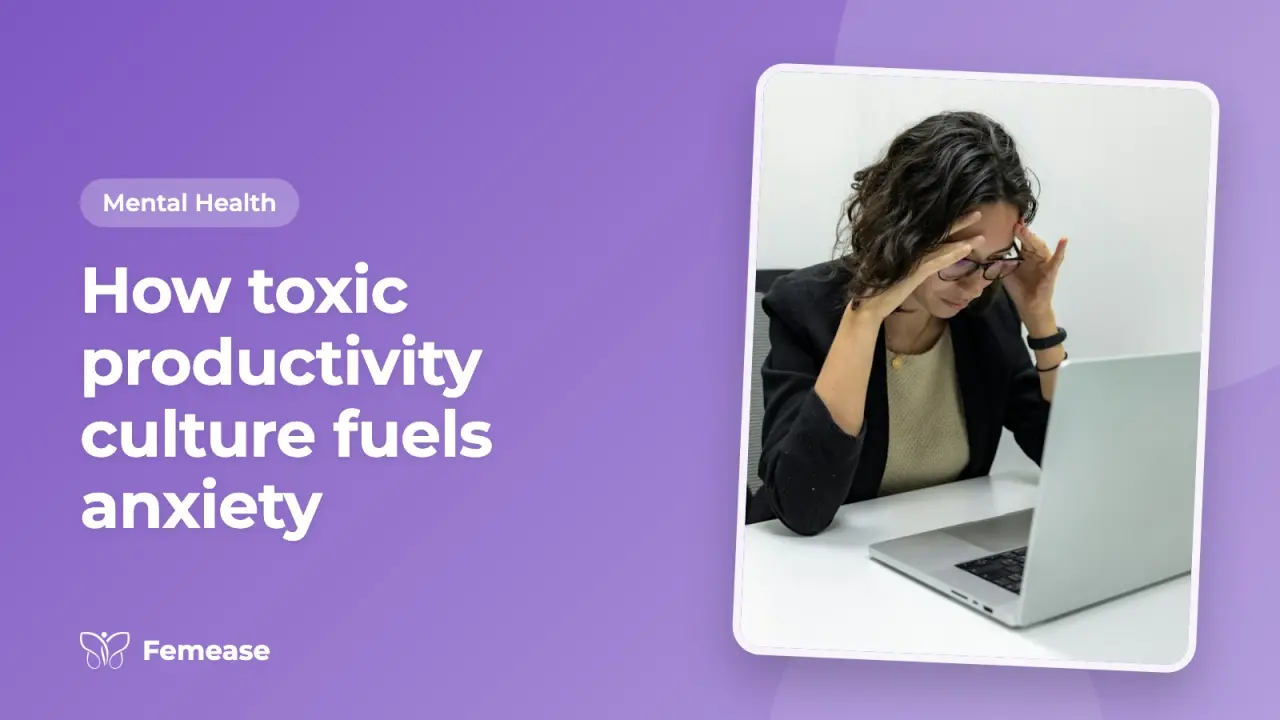
In short: Toxic productivity culture is the belief that your worth depends on how much you get done. It shows up as guilt about resting, checking emails at midnight and feeling restless on weekends. Living like this keeps your mind on constant alert, which can lead to stress, anxiety, poor sleep and burnout. Rest without guilt, set clear limits on work and make time for joy. If anxiety or low mood lasts for weeks, talk to a doctor or counsellor.
In a world where “doing more” is celebrated and “resting” is seen as lazy, it’s no surprise that so many of us are constantly exhausted, overwhelmed, and anxious. Toxic productivity, the idea that your worth is tied to how much you accomplish, has become a silent epidemic, creeping into our daily lives disguised as ambition, discipline, or dedication.
But at what cost?
What is Toxic Productivity?
Toxic productivity is the obsession with constant doing. It is when you feel guilty for taking breaks, or when rest becomes something you have to “earn.” It can look like:
- Checking emails at midnight
- Feeling restless during weekends because you are “wasting time”
- Measuring self-worth by how many things you crossed off a to-do list
What started as a desire to be productive can easily spiral into a never-ending chase for more, more goals, more output, more approval.
Why Has It Become So Normal?
The short answer? Social media, corporate glorification of hustle, and unrealistic self-help narratives.
We live in a world where people proudly share their 5 a.m. routines, 70-hour workweeks, and endless side hustles. Platforms like Instagram and LinkedIn have become highlight reels for burnout disguised as success.
“Grind now, rest later.” “Sleep is for the weak.” “Work until your idols become your rivals.”
These phrases are everywhere. But the reality? Most people working nonstop are battling fatigue, burnout, and a deep sense of disconnection from themselves and the life they hoped to build.
The link between hustle culture and anxiety
Toxic productivity creates constant pressure. Your brain never truly switches off because there's always something more you could be doing. This constant state of alertness overstimulates your nervous system, leading to:
- Chronic stress
- Anxiety disorders
- Sleep disturbances
- Decreased emotional resilience
You might feel anxious even during moments of rest, not because you are lazy, but because your brain has been wired to associate stillness with failure.
How does it disconnect you from rest, identity, and joy
Rest becomes a luxury instead of a right Instead of prioritizing rest as essential for your well-being, it becomes something you feel guilty about. You push through fatigue, glorify overworking, and lose touch with what your body and mind need.
You lose sight of who you are without work When all your time and energy go into performing, producing, and achieving, your identity begins to merge with your job title or output. Hobbies feel wasteful. Play feels pointless. And soon, you don’t even remember what brings you joy.
You forget how to just be Joy lives in the present moment with loved ones, laughter, creativity, and nature. But hustle culture convinces you that joy is a distraction from your goals. So you delay happiness for some imaginary "someday" that may never come.
The reality check: You are not a machine
Productivity is not inherently bad, but it becomes toxic when it overrides your humanity. You are not meant to be “on” all the time. Burnout is not a badge of honor. It’s your body waving a red flag.
It is time to redefine success, not as doing more, but as feeling whole.
So, what can you do about it?
Here are a few ways to slowly untangle yourself from the grip of toxic productivity:
Practice unapologetic rest Start with small moments of rest, without guilt. Even five minutes of stillness can help rewire your brain.
Redefine your worth You are more than your to-do list. Your existence is valuable, even on days you do “nothing.”
Set boundaries with hustle culture Unfollow hustle-driven influencers. Say no to overcommitment. Reclaim your evenings and weekends.
Reconnect with joy Revisit activities that make you feel alive, not just productive. Paint. Walk. Read. Dance. Be human.
We do not need more burnout. We need more balance. We do not need to hustle harder. We need to heal deeper.
The next time you feel pressured to “do more,” pause and ask: “Is this helping me live better, or just appear more successful?”
Your peace, presence, and mental health matter. Let us stop glorifying hustle and start celebrating wholeness.
Questions women ask
What is toxic productivity culture?
It is a culture, at work and online, that praises being busy all the time and treats rest as laziness. People start to measure their worth by output, and feel guilty for slowing down even when they are tired.
What are the signs of toxic productivity?
Feeling guilty when you rest, working late into the night, feeling anxious on holidays, dropping hobbies because they feel wasteful, and judging your day only by your to-do list are common signs.
How does toxic productivity cause anxiety?
When your mind never switches off, your body stays in a stressed state. Over time this can lead to constant worry, trouble sleeping, irritability and feeling emotionally drained, even during quiet moments.
How can I break free from toxic productivity?
Take short breaks without guilt, set fixed work hours, say no to extra tasks when you are stretched, unfollow accounts that glorify hustle, and spend time on things you enjoy just for fun.
When should I get help for stress or burnout?
Talk to a doctor or counsellor if anxiety, low mood or poor sleep lasts more than two weeks or affects your work and relationships. If you have thoughts of harming yourself, get help straight away: call Tele-MANAS on 14416 or go to the nearest emergency.
General information, not medical advice. Talk to a doctor about your own health.
Talk to a therapistKeep reading in the Femease app
Save articles, track your cycle or pregnancy, and talk to a doctor when you need one.
More about mental health
The mental impact of hustle culture
Chronic guilt, shame, and burnout stemming from always being “on” or never “enough.”
The pressure of toxic positivity
What is toxic positivity? Learn why 'good vibes only' can hurt, how it shows up at work, in grief and parenting, and better ways to support each other.
The disconnect between emotional intelligence and emotional capacity
Why someone emotionally “aware” can still be emotionally unavailable or avoidant.
Why suppressed anger can manifest as anxiety or depression
Understanding the hidden link between repressed emotions and mental health.

Mental health during identity transitions
Feeling lost after a big life change? Learn why a new career, parenthood or a breakup can hit hard, ways to cope, and when to seek professional help.
When mental illness is quiet
Struggling quietly behind a smile? Learn how quiet BPD, OCD and PTSD can look, the cost of masking, and how to support someone who is silently struggling.
