The pressure of toxic positivity
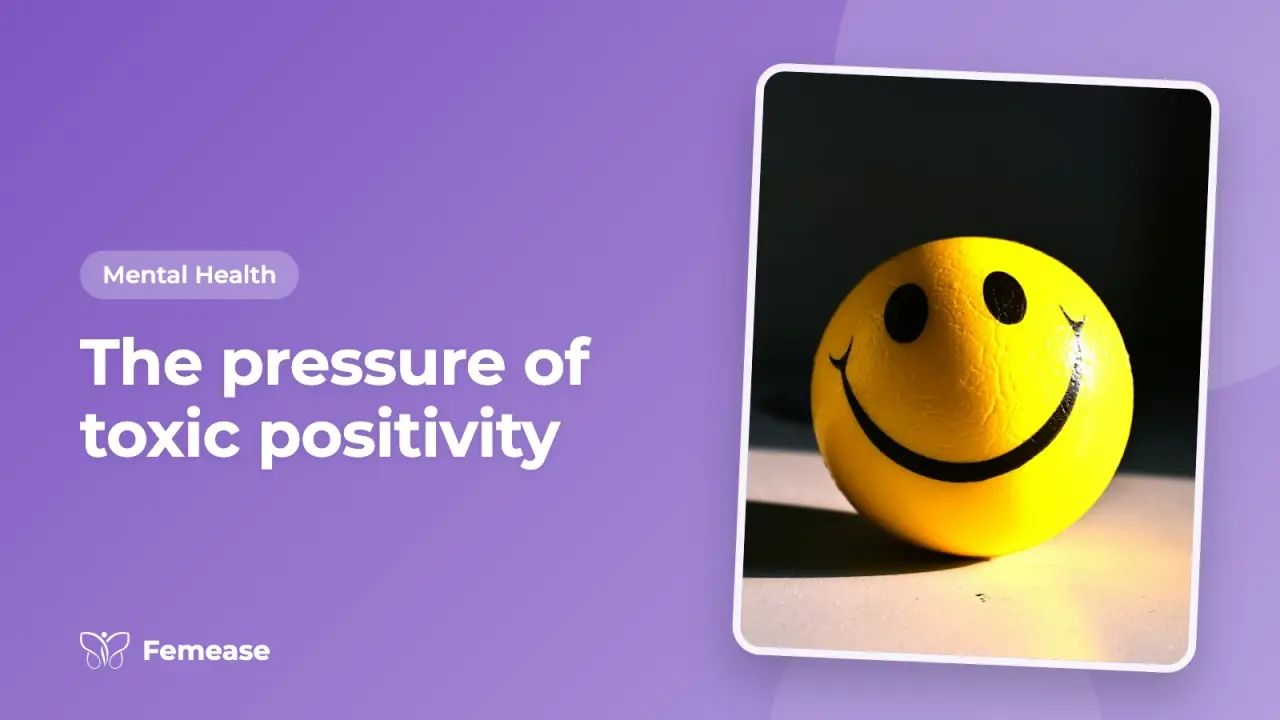
In short: Toxic positivity is pushing away or dismissing real feelings like sadness, anger or grief in the name of staying positive. Phrases like "just smile" or "others have it worse" can leave people feeling unseen and ashamed. Hiding feelings does not make them go away; they often come back as anxiety, irritability or poor sleep. Validating feelings, your own and others', helps far more.
In a world where hashtags like #goodvibesonly and #positivity dominate social media, it’s easy to feel like there’s no room for sadness, anger, grief, or struggle.
But here’s the thing: life is not always positive. And pretending it is? That’s where the danger begins.
For people navigating trauma, anxiety, depression, loss, and uncertainty, one of the quietest, most invalidating forces in the healing journey is the pressure to “stay positive” at all costs. This cultural obsession with positivity, while often well-meaning, can leave people feeling unseen, misunderstood, and emotionally suffocated.
This is known as toxic positivity.
What exactly is toxic positivity?
Toxic positivity is the denial, minimization, or invalidation of authentic human emotions, especially the difficult ones, in the name of being positive.
It’s what happens when we prioritize a false sense of happiness over emotional truth. It sounds like:
“Don’t be so negative. Just smile.”
“Everything happens for a reason.”
“You’ll be fine. Others have it worse.”
“Positive vibes only, please!”
On the surface, these statements may seem encouraging. But in reality, they often shut down real conversations about pain, grief, or mental health, replacing them with toxic cheerfulness.
The psychology behind suppressing emotions
Let’s get real: the brain doesn’t benefit from pushing emotions aside.
Emotional suppression, when we avoid or bottle up our feelings, can have serious consequences:
Neurologically, suppressing emotions activates the amygdala, the part of our brain involved in fear and threat detection. Instead of calming down, our stress response becomes more intense.
Emotionally, suppressed feelings don’t disappear; they linger. They often resurface through anxiety, irritability, insomnia, or even panic attacks.
Physiologically, chronic suppression is linked to high cortisol (the stress hormone), weakened immune response, and higher risk of illness over time.
Examples of How Toxic Positivity Shows Up
In the workplace: Employees facing burnout are told to “just be grateful you have a job,” instead of receiving proper support.
In grief: Someone who’s lost a loved one hears “At least they’re in a better place,” instead of being allowed to sit with their pain.
In parenting: A new mom struggling with postpartum depression is told, “Enjoy every moment, they grow up so fast,” as she drowns in silence.
In mental health struggles: A person experiencing depression or anxiety hears, “You have so much to be thankful for,” as if gratitude can erase neurochemical imbalance.
In each case, the message is clear: “Don’t feel what you feel. Make it more palatable for the rest of us.”
Why it’s harmful
It invalidates real pain. Being told to “cheer up” or “look at the bright side” often feels dismissive. It sends the message that your emotional experience is wrong or unwelcome.
It fosters shame. When people believe they should always be positive, they begin to see their negative feelings as a personal failure, leading to guilt, isolation, and internalized shame.
It disconnects people. When someone isn’t allowed to speak openly about their struggles, they pull away. Toxic positivity creates emotional distance in relationships.
It delays or blocks healing. Processing emotions is a necessary step for healing. Pushing them down can prolong trauma and make it harder to work through psychological wounds.
How to support yourself and others better
Instead of pushing positivity, try practicing emotional validation, the process of acknowledging and accepting someone’s emotional experience without judgment.
Here are some ways to replace toxic positivity with emotional honesty:
When someone’s struggling:
“That sounds incredibly hard. Do you want to talk about it?”
“It makes sense that you’d feel this way.”
“I’m here, and I won’t rush you to feel differently.”
“You’re allowed to feel however you feel. No pressure to fix it.”
When you're struggling:
“It’s okay that I feel this way. These feelings won’t last forever.”
“I don’t need to perform happiness. I need to feel what’s real.”
“I’m human. Not every day will be light, and that’s okay.”
What emotional health looks like
Emotional health is not smiling through pain. It’s:
Feeling deeply and allowing space for your emotions.
Learning how to regulate (not suppress) what you feel.
Knowing that vulnerability is a strength, not a flaw.
Permitting yourself to fall apart sometimes.
Therapeutic practices like mindfulness, somatic therapy, journaling, trauma-informed care, and talk therapy all emphasize one foundational truth: you can’t heal what you won’t feel.
Questions women ask
What are some examples of toxic positivity?
Telling a grieving person "at least they are in a better place", telling a new mother who is struggling to "enjoy every moment", or telling someone with depression "you have so much to be thankful for". These lines may be kind in intent, but they shut down honest talk about pain.
What is the difference between toxic positivity and optimism?
Healthy optimism holds hope while still accepting that a situation is hard. Toxic positivity denies or rushes past difficult feelings and treats them as wrong. You can feel sad and hopeful at the same time; making room for both is what emotional health looks like.
What does toxic positivity look like at work?
It sounds like telling someone facing burnout to "just be grateful you have a job" instead of offering real support. It can make people hide stress until it gets worse. A better response is to listen, accept that the load is heavy and look at what can actually change.
What can I say instead of toxic positivity?
Try "That sounds really hard, do you want to talk about it?", "It makes sense you feel this way" or "I am here, and I will not rush you." For yourself: "It is okay that I feel this way. These feelings will not last forever."
General information, not medical advice. Talk to a doctor about your own health.
Talk to a therapistKeep reading in the Femease app
Save articles, track your cycle or pregnancy, and talk to a doctor when you need one.
Keep reading
How toxic productivity culture fuels anxiety
The glorification of hustle and how it disconnects people from rest, identity, and joy
Grief vs. Depression
Is it grief or depression? Learn how grief differs from depression, the symptoms to watch for, and when it's time to reach out for professional help.

The ethics and emotions of sleep training
Exploring the guilt, societal pressure, and polarized opinions make sleep training so emotionally loaded.

The invisible grief of unlived lives
Mourning the paths you did not take: childfree life, missed career, lost dreams, and making peace with it.
Self sabotage
Why do I keep getting in my own way? Learn what self-sabotage is, why it happens, from fear of failure to perfectionism, and kind ways to break the cycle.
Digital burnout vs. Tech addiction
Drained by your phone and screens? Learn the difference between digital burnout and tech addiction, the signs of each, and small steps that help.
