The ethics and emotions of sleep training
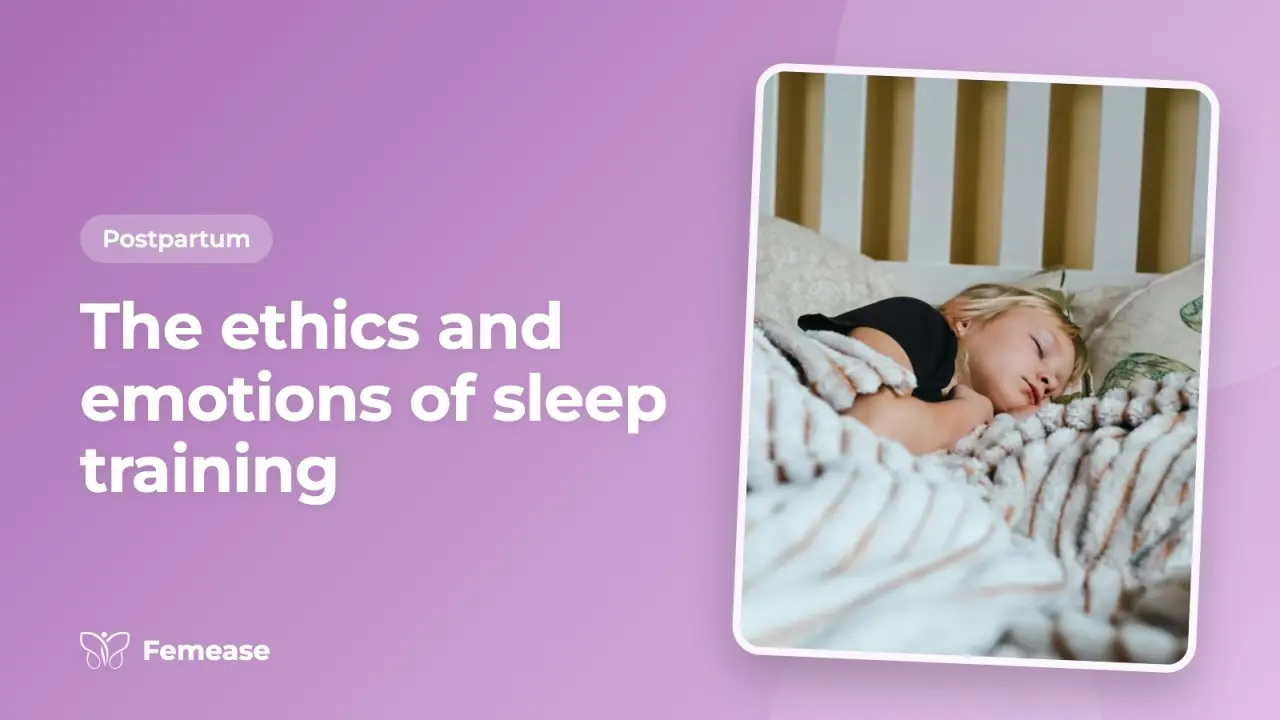
In short: Sleep training means helping your baby learn to fall asleep on their own, with methods ranging from cry it out to gentler, gradual ones. There is no single right answer, and feeling guilty about it is very normal. What matters most is choosing an approach that fits your family, doing it with warmth and consistency, and making sure your baby is healthy and ready. Talk to your paediatrician before you start.
For many parents, the words “sleep training” stir up a cocktail of emotions, relief, fear, hope, confusion, and above all, guilt. It is a topic that can instantly divide parenting communities and ignite heated debates in mom groups and forums. But why does teaching a baby to sleep on their own evoke such strong feelings?
In this blog, we explore the emotional and ethical weight of sleep training and why, for many parents, it is not just a parenting technique; it is a deeply personal decision shaped by love, fear, and societal expectations.
What is sleep training?
Sleep training typically refers to helping a baby learn to fall asleep independently, often using strategies that involve some level of allowing the baby to cry or self-soothe. There are many approaches, from the "cry it out" method to gentler, more gradual techniques.
While some families swear by its effectiveness, others resist the idea entirely. And somewhere in the middle are countless exhausted parents, quietly questioning their instincts and wondering what’s “right.”
Guilt: The uninvited guest in every parenting decision
One of the most common emotions parents face when considering sleep training is guilt.
“Am I damaging my baby?”
“Will they feel abandoned?”
“What if I just can’t handle the crying?”
These thoughts are not just common; they are normal. As a society, we place immense pressure on parents to always put their child’s emotional needs first, and any method that involves tears can feel like a betrayal of that ideal.
What is often missing from the conversation is context, the unique circumstances of each family. A single mom working night shifts, a parent with postpartum depression, or a couple desperate for just three hours of uninterrupted sleep are not “bad” for wanting rest. They are human.
Societal pressure: Everyone has an opinion
Everyone has an opinion on sleep training, from pediatricians to influencers to in-laws. Some advocate for “attachment parenting” and co-sleeping, while others support structured routines and independence.
And let us be honest, judgment is everywhere. If you sleep train, you are “cold.” If you do not, you are “spoiling” the baby. This polarization only deepens the emotional toll for parents trying to do their best.
Science, ethics, and emotional reality
Let us clear the air: There’s no one-size-fits-all truth about sleep training.
Sleep training is not generally thought to cause long-term psychological harm, especially when done with love, consistency, and support. At the same time, babies are biologically wired to seek closeness, and crying is their only way to communicate.
Here’s where ethics meets reality. You can respect your baby’s needs and respect your own. Parents deserve rest, too. Sleep deprivation can strain relationships, affect mental health, and make every day parenting harder.
The ethical decision lies not in choosing to sleep train or not, but in how you approach it, and whether it aligns with your family’s values, emotional readiness, and support system.
You are not failing, you are navigating
If you are reading this at 2 AM with your baby wailing in the background, unsure of what the “right” thing is, pause.
You are not alone. You are not selfish. You are not failing.
You are doing what every good parent does: questioning, reflecting, and trying.
Whether you decide to sleep train, keep your baby close in your room, or rock your baby to sleep every night for months, it is your journey. The most important thing is that it is a decision rooted in love and intention, not fear or guilt.
Tips for emotionally healthy sleep training (if you choose it)
- Pick a method that feels right to you, not just the one trending online.
- Prepare mentally and emotionally, talk to your partner, journal your feelings, or speak to a therapist if needed.
- Ensure your baby is healthy and developmentally ready. Consult your pediatrician.
- Stay consistent but flexible; you can always pause or adjust.
- Celebrate small wins, even 20 extra minutes of sleep is a step forward.
In the end, parenting is a balance between what your baby needs and what you need. Sleep training is just one chapter in a long parenting story, and it is okay if that chapter is messy, emotional, and full of questions.
Choose what works for your family. Lead with compassion, for your baby and yourself. And remember: no method defines your worth as a parent.
Questions women ask
Is sleep training harmful to babies?
When a healthy baby is ready and it is done with love, consistency and support, sleep training is not generally thought to cause lasting harm. Babies are also wired to seek closeness, so pick a method you are comfortable with and pause if it does not feel right.
When should I start sleep training my baby?
There is no fixed date. Your baby should be healthy and developmentally ready, so check with your paediatrician first. Start only when you and your partner feel prepared, and remember you can always pause or adjust the plan.
What is the cry it out method?
Cry it out is a sleep training approach where the baby is allowed to cry for a while to learn to settle on their own. Gentler, gradual methods also exist. Choose the one that feels right for your family, not just the one trending online.
How do I deal with sleep training guilt?
Guilt is normal, and wanting rest does not make you selfish or a bad parent. Talk it through with your partner, write down your feelings, or speak to a therapist. If you feel low or hopeless most days, talk to a doctor, as this can be postpartum depression.
General information, not medical advice. Talk to a doctor about your own health.
Talk to a doctor about your recovery after birthKeep reading in the Femease app
Save articles, track your cycle or pregnancy, and talk to a doctor when you need one.
Keep reading

Navigating postpartum with multiples
Postpartum with twins or triplets? Honest help on recovery, sleep, breastfeeding multiples, emotions, home routines and when to talk to your doctor.
Navigating envy, guilt & shame without beating yourself up
A real talk guide to embracing “negative” emotions with compassion, not criticism

Preparing older siblings emotionally for a new baby
Preparing your child for a new baby? How to talk to older siblings, involve them, handle mixed feelings and behaviour changes, and build their bond.
The pressure of toxic positivity
What is toxic positivity? Learn why 'good vibes only' can hurt, how it shows up at work, in grief and parenting, and better ways to support each other.

Breastfeeding aversion and dysphoria
The little-known emotional discomfort or revulsion some women experience while breastfeeding.

Why sounds feel so loud
Why normal noise (baby crying, household sounds) can feel overwhelming, and what sensory overload looks like in new moms.
