Preparing older siblings emotionally for a new baby
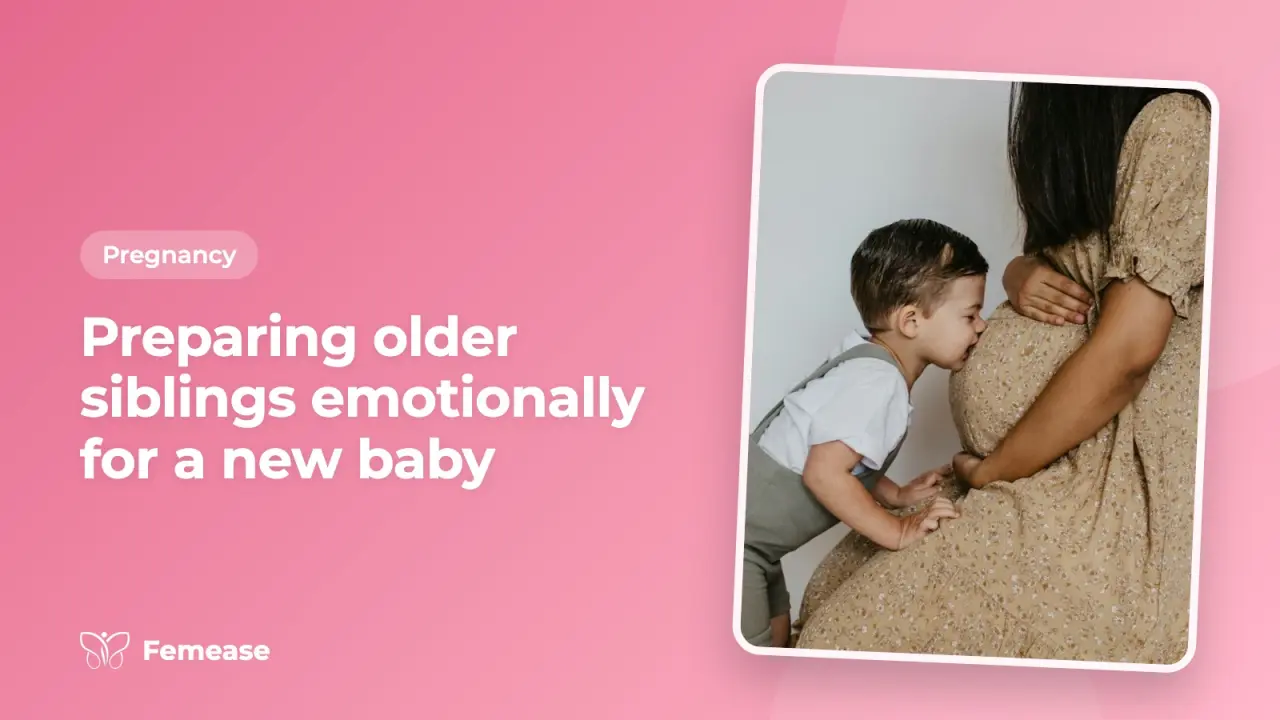
In short: Start talking to your older child about the baby early, in simple words, and let them help with small things like choosing clothes or a toy. Jealousy, clinginess and even anger are normal reactions to a big change, not signs of a bad child. Explain that newborns mostly cry and sleep, keep some one-on-one time every day after the birth, and meet setbacks like tantrums or potty accidents with cuddles rather than punishment.
Bringing a new baby into the family is a beautiful chapter, but for older siblings, it can also be confusing, emotional, and even overwhelming. One day, they are the center of your universe, and the next, they are sharing that space with a tiny, crying bundle who takes up a lot of your time and energy.
Whether your firstborn is a toddler or a school-aged child, preparing them emotionally for a new sibling can ease the transition and help them feel secure in their evolving role.
Why older siblings feel left out (and why it is okay)
Kids notice everything. They see your growing belly, the sudden attention from relatives, the changes in routines, and they feel it. Jealousy, fear, confusion, or even anger are not signs of a “bad” child. They are normal emotional reactions to a big family change.
As parents, our goal is not to eliminate these feelings, but to help our children navigate them with love, reassurance, and involvement.
1. Start talking early and often
Do not wait until the baby arrives to start the conversation. As soon as your bump becomes noticeable (or even before), start weaving in the idea of a baby joining your family.
Use age-appropriate language: Toddlers might understand “A baby is growing in mommy’s tummy,” while older kids might be ready to hear about how babies grow and what newborns need.
Read books about becoming a sibling: Stories like "I’m a Big Sister" or "The New Baby" by Mercer Mayer can normalize what is to come.
Tip: Frame it as a family event, not just mommy and baby. Use “we” instead of “I” when talking about the baby.
2. Involve them in the baby prep
Children feel more in control and less anxious when they are included in decision-making. Invite your older child to:
Help decorate the nursery
Choose clothes or toys for the baby
This creates a sense of ownership and pride in their new role as a sibling.
3. Normalize mixed feelings
Your child might say, “I don’t want a baby,” or ask, “Will you still love me the same?” These moments are hard, but they are also golden opportunities to reassure them.
Instead of brushing it off with “Don’t say that,” try:
“It is okay to feel unsure. It is a big change. But no one can ever take your special place in our family.”
Reassure them consistently with affection, attention, and reminders that their bond with you is unshakable.
4. Set realistic expectations about the baby
Children often imagine babies as instant playmates. Help them understand what newborns are really like:
They cry a lot
They sleep a lot
They do not play right away
This helps prevent disappointment and prepares them for the reality of sharing space with a tiny human who needs a lot of care.
5. Create one-on-one time post-delivery
Even after the baby arrives, make space for solo time with your older child. It does not have to be elaborate; a short walk, a bedtime story, or a cuddle session goes a long way.
Let others hold the baby for a bit while you look at your child and say, “Right now, it’s just you and me.”
6. Give them a job (but not a responsibility)
Assigning older siblings a role can help them feel included, but keep it light and fun.
“Can you help sing the baby a song?”
“Let’s tell the baby a story together.”
“You’re in charge of picking the baby’s bedtime book.”
Make it clear that they are not responsible for the baby, but they are an important part of their sibling’s world.
7. Watch for behaviour changes and respond gently
Regression (like thumb-sucking, tantrums, or potty accidents) is common. Your child may be seeking reassurance or attention.
Rather than disciplining, respond with compassion:
“It looks like you are having a tough time today. Want to snuggle?”
Sometimes, just knowing you “see” them is enough.
8. Celebrate the sibling bond
Make the first meeting special. Let your older child be the first to meet the baby (if possible), and capture the moment with photos. Talk often about how lucky the baby is to have such a loving big sibling.
And as the baby grows, continue nurturing that connection, whether through shared routines, photos, or family rituals that include both kids.
No matter how much you prepare, there will be hiccups. And that is okay. The sibling bond is a lifetime relationship, filled with highs, lows, and love.
By involving, reassuring, and honouring your older child’s emotions, you are not just preparing them for a sibling, you are teaching them empathy, adaptability, and the joy of growing a family.
Questions women ask
How do I prepare my toddler for a new baby?
Start talking about the baby once your bump shows, using simple words like 'a baby is growing in mummy's tummy'. Read picture books about becoming a big sibling, say 'we' instead of 'I', and let your toddler help with small jobs like picking the baby's clothes.
How do I deal with sibling jealousy when the new baby comes?
Accept the feelings instead of saying 'don't say that'. Try 'It is okay to feel unsure, but no one can take your special place.' Give your older child some one-on-one time every day, and let others hold the baby while you focus on them.
Is toddler regression after a new baby normal?
Yes. Thumb-sucking, tantrums, sleep trouble and potty accidents are common after a new sibling arrives. It is usually a way of asking for reassurance. Respond gently with a cuddle rather than scolding, and it usually settles as your child feels secure again.
How long will my toddler be jealous of the new baby?
There is no fixed timeline. With patience, reassurance and regular one-on-one time, most children slowly settle as the family finds its new rhythm. If your child seems very withdrawn, aggressive or distressed for a long time, talk to your paediatrician.
General information, not medical advice. Talk to a doctor about your own health.
Talk to a doctor about your pregnancyKeep reading in the Femease app
Save articles, track your cycle or pregnancy, and talk to a doctor when you need one.
Keep reading

How hypervigilance impacts a new mom’s rest and mental health
The hidden toll of always checking if the baby’s okay, why it is more than just “being careful.”

The disconnect between emotional intelligence and emotional capacity
Why someone emotionally “aware” can still be emotionally unavailable or avoidant.
Breastfeeding tips for new moms
Breastfeeding trouble as a new mom? Simple tips on comfortable positions, skin-to-skin contact, eating and drinking well, and when to ask for help.

The loneliness epidemic
Feeling lonely even with a full phone? Learn why loneliness is rising, who feels it most, how it affects health, and simple ways to build real connection.

Rh negative in pregnancy: understanding Rh incompatibility
Rh negative in pregnancy? Learn what Rh incompatibility means, how it is tested, how it can affect your baby, and what your doctor may do about it.

How pregnancy affects your heart
Understanding cardiovascular changes and the rising risk of maternal heart disease
