
Pregnancy milestones by trimester: week-by-week guide
Pregnancy has three trimesters, each with its own milestones, from the heartbeat to kicks to full-term at week 37. Keep your antenatal check-ups.
From the first signs to the last weeks: how your body changes, how your baby grows, and what to ask your doctor.
Talk to a doctor about your pregnancyPregnancy has three trimesters, each with its own milestones, from the heartbeat to kicks to full-term at week 37. Keep your antenatal check-ups.

Tiredness, sore breasts, passing urine more often and light spotting can start about two weeks after conception. How they differ from PMS and when to test.

Good nutrition helps your baby's brain, bones and organs grow. Learn which nutrients matter, like folate, iron and calcium, and foods that provide them.

Morning sickness symptoms, when it starts and eases, why it can be worse at night, food tips that help, and signs of severe sickness that need a doctor.

Gentle guide to miscarriage symptoms and bleeding, late period vs early miscarriage, common causes and myths, care afterwards and where to find support.
What IVF means, each step of the IVF process in simple words, how IVF differs from IUI, age limits in India, and caring for your feelings along the way.

How a woman's fertility changes with age, what happens after 30, 35 and 40, what an AMH test can and cannot tell you, and when to see a gynaecologist.

Spotting or bleeding in pregnancy? Learn the common causes by trimester, how it differs from miscarriage, and when to see a doctor the same day.

Sweet means a girl, salty means a boy? No. Cravings, sour, sweet or even pica, can't predict your baby's sex. What research says and why cravings happen.

Stretch marks mostly come from genes and hormones, so no oil can promise to stop them. See what keeps skin comfortable, how oils are used and how marks fade.

Pregnant women feel heat more and lose water faster. Learn how to stay cool, cope with polluted air and unsafe water, and when to go to a hospital.

Oxytocin helps labour, breastfeeding and closeness. See how touch, slow breathing and time with your partner can help you feel calm and close to baby.

Pregnancy after 35 is common and most women have healthy babies. Know what being called high-risk means, how fertility changes and what care to expect.

Yes, more discharge is normal in pregnancy. Learn what normal looks like, which colour or smell changes are a worry, and when to call your doctor.

Most pregnancy skin changes are harmless and fade after delivery. See what causes dark patches, itching and acne, and when to see a doctor quickly.

Your blood volume rises in pregnancy, so your heart works harder. See how a fast pulse or swollen ankles feel, how to support circulation and when to go in.

Going past 40 weeks is common and your due date is only an estimate. Learn what late term and post-term mean and what to ask your doctor.

Your body clock affects sleep, mood, blood sugar and blood pressure in pregnancy. Learn why it matters for you and your baby and how to keep a steady rhythm.

Everyday stress will not harm your baby, but heavy long-lasting stress can raise risks. Learn what it may affect, what helps and when to talk to a doctor.

Pregnancy makes your heart work harder. Learn which changes are normal, like mild breathlessness, and which signs such as chest pain need a doctor quickly.

Talk early, use simple words and let your older child help with small tasks. Jealousy and clinginess are normal. Learn how to prepare siblings emotionally.
Rh negative in pregnancy? Learn what Rh incompatibility means, how it is tested, how it can affect your baby, and what your doctor may do about it.

Pregnancy does not just weaken immunity, it changes it in stages. See what happens in each trimester, why colds may be more common and when to call a doctor.

The placenta brings oxygen and nutrients to your baby and makes pregnancy hormones. Learn why it matters and what your scans check, like position.

The pregnancy glow is real for some women, from extra blood flow and oil. But acne and dark patches are common too. Not glowing is completely normal.

The cervix stays long and closed in pregnancy. Learn how doctors measure it, what a short cervix can mean, common cervical concerns and how to look after it.

Smells, sounds and touch can feel like too much when you're pregnant. Why it happens, and calm ways to cope with sensory overload.
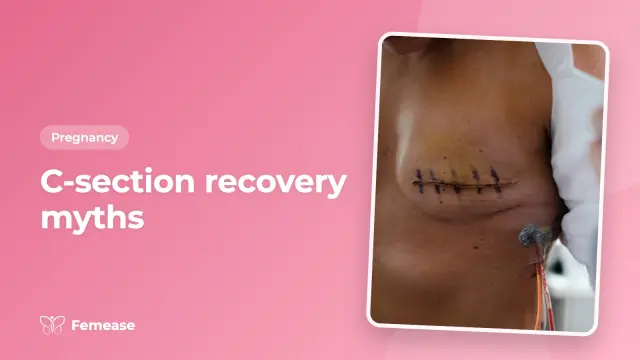
A C-section is major surgery, not the easy way out. Learn four common myths, why recovery takes months and which signs mean you should call your doctor.

Calm music and quiet breathing can ease stress in pregnancy. See when baby starts to hear, how music and meditation help sleep and bonding, and the limits.

Most first-time mothers feel baby move between 18 and 22 weeks. Learn what early movements feel like and how to know your baby's usual pattern from 28 weeks.
Recovery is usually quicker after a vaginal delivery, while a C-section is major surgery and slower. Compare pain, movement limits and recovery time.

Gas, bloating, constipation and heartburn are very common in pregnancy. See why they happen, what usually helps and when to see your doctor.

Mom brain is real and common. Learn how brain changes, hormones, broken sleep and mental load cause forgetfulness and fog, and when it usually eases.

Your pelvic floor holds up your bladder, uterus and bowel. Learn gentle exercises like Kegels, belly breathing and pelvic tilts that help leaks and recovery.

Braxton Hicks are practice contractions that are irregular and ease with rest or water. Learn how they differ from real labour and when to call your doctor.

Your mind needs care in pregnancy too. See common mood changes, when sadness or worry may be prenatal depression or anxiety, and tips like sleep and talking.

Nausea, back pain, swollen feet, heartburn and tiredness are common in pregnancy. Simple everyday steps that help, and when to see your gynaecologist.