Pregnancy after 35: Breaking the stigma around “geriatric” motherhood
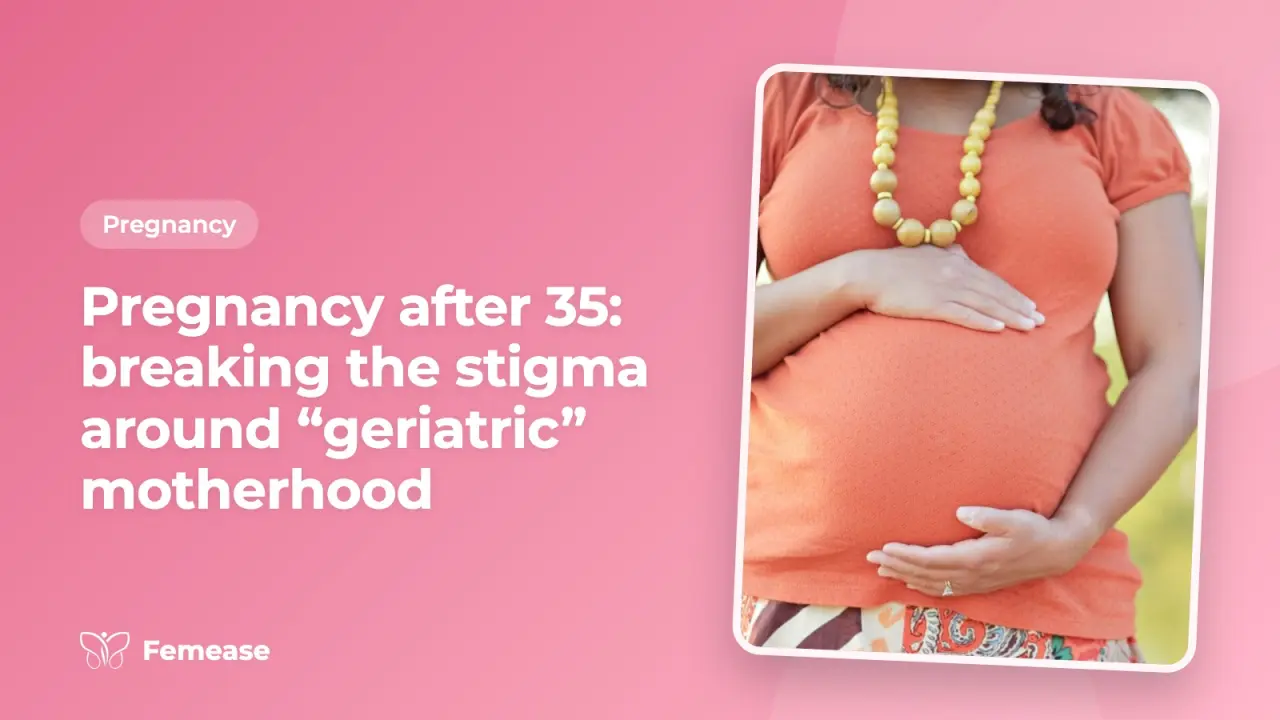
In short: Pregnancy after 35 is common and most women have healthy pregnancies and babies. Fertility slowly falls with age, but many women still conceive naturally in their late 30s and early 40s. Being called high-risk simply means your doctor will watch you more closely, so problems like gestational diabetes or high blood pressure are caught early. Have a check-up with a gynaecologist before trying, and go to every antenatal visit.
In many cultures, the term “geriatric pregnancy” still gets tossed around when a woman conceives after the age of 35. If that label sounds outdated and slightly offensive, that is because it is. While it might be a medical term from earlier decades, it no longer reflects the realities or the possibilities of modern pregnancy.
Today, more women are choosing to have children later in life for many reasons: building careers, finding the right partner, achieving financial stability, or simply feeling ready when they feel ready. Yet, despite advancements in fertility care and maternal health, stigma around pregnancy after 35 persists.
It is time to bust the myths, respect late motherhood, and celebrate every woman’s right to decide when to start her family.
Myth #1: You cannot get pregnant after 35
The reality: Fertility does gradually decline with age, but many women conceive naturally well into their late 30s and early 40s.
Yes, fertility treatments like IVF are more commonly used by women over 35, but they are options, not proof of impossibility.
Myth #2: Pregnancy over 35 is always high-risk
The reality: The label “high-risk pregnancy” does not mean danger is inevitable. It simply means your healthcare team will monitor you more closely to reduce potential complications. With good prenatal care, regular checkups, healthy lifestyle choices, and recommended screenings, most women over 35 have perfectly healthy pregnancies and babies.
Many risks often cited (like gestational diabetes or high blood pressure) can be managed effectively when detected early.
Myth #3: Older mothers will not have the energy to raise children
The reality: Parenting is demanding, no matter your age. But maturity, stability, and life experience can make older mothers better prepared emotionally and financially.
Many women in their late 30s or 40s find they have more patience and perspective than they did a decade earlier.
Why the stigma around “geriatric pregnancy” needs to go
Words matter. When we call someone’s pregnancy “geriatric,” we feed harmful stereotypes that a woman’s worth as a mother has an expiry date.
In reality, late motherhoodis increasingly common and often a thoughtful, intentional choice.
Every woman deserves respect and support for her reproductive decisions, without judgment.
Tips for a healthy pregnancy after 35
If you are considering pregnancy in your mid-30s or beyond, here are some proactive steps:
Get a preconception checkup: Talk to your doctor about your health history and any pre-existing conditions.
Maintain a healthy weight: Being in a healthy weight range can reduce the risks of gestational diabetes and hypertension.
Ask about folic acid: Folic acid is essential for neural tube development; ask your doctor whether you need a supplement.
Stay active: Regular exercise supports circulation, mood, and stamina.
Attend all prenatal appointments: Monitoring your health closely helps prevent and manage potential issues early.
Choosing to have a baby after 35 is not a failure to plan or a reckless decision. It is simply another valid path to parenthood.
So, if you or someone you love is starting this journey, know this: pregnancy after 35 is not only possible, it can be empowering, joyful, and deeply fulfilling.
Questions women ask
What is a geriatric pregnancy?
It is an old medical label for pregnancy at 35 or older. Many doctors now prefer terms like advanced maternal age. The word geriatric does not mean you are too old to be a mother; it only means some extra checks are advised.
Can I get pregnant naturally after 35?
Yes, many women do. Fertility declines gradually with age, so it may take a little longer. If you are over 35 and have been trying for some months without success, see a gynaecologist, who can check what may help.
Is pregnancy after 35 always high risk?
No. High-risk means closer monitoring, not that something will go wrong. With regular check-ups, recommended screening tests and a healthy lifestyle, conditions such as gestational diabetes or high blood pressure can be found early and managed well.
How can I have a healthy pregnancy after 35?
Get a check-up before you try to conceive, keep to a healthy weight, stay active and attend every antenatal appointment. Ask your doctor about folic acid and any vitamins before or during pregnancy, and take only what they advise.
What warning signs in pregnancy need a doctor the same day?
Go to hospital straight away for vaginal bleeding, severe tummy pain, a bad headache with blurred vision or swelling of the face and hands, or fluid leaking from the vagina. If your baby moves less than usual, call your hospital straight away; do not wait. Go the same day for fever. These need urgent checking at any age.
General information, not medical advice. Talk to a doctor about your own health.
Talk to a doctor about your pregnancyKeep reading in the Femease app
Save articles, track your cycle or pregnancy, and talk to a doctor when you need one.
Keep reading

Embracing emotional wellness
Why does mental health matter for women? Learn how hormones affect mood, why stigma keeps women silent, and small daily steps to emotional wellness.

Motherhood, guilt and rage
Meera's story about postpartum rage
Matrescence: The emotional birth of a mother
Understanding the psychological and emotional transformation during the transition into motherhood
Silent postpartum anemia
Why many women walk around undiagnosed, confusing low energy with “normal tiredness”

The truth about increased vaginal discharge in pregnancy
Normal vs abnormal, what every pregnant woman should know, but few talk about.
The role of oxytocin in bonding before birth
What does oxytocin do in pregnancy? Learn how touch, breathwork and closeness with your partner can raise this bonding hormone and connect you with baby.
