Embracing emotional wellness
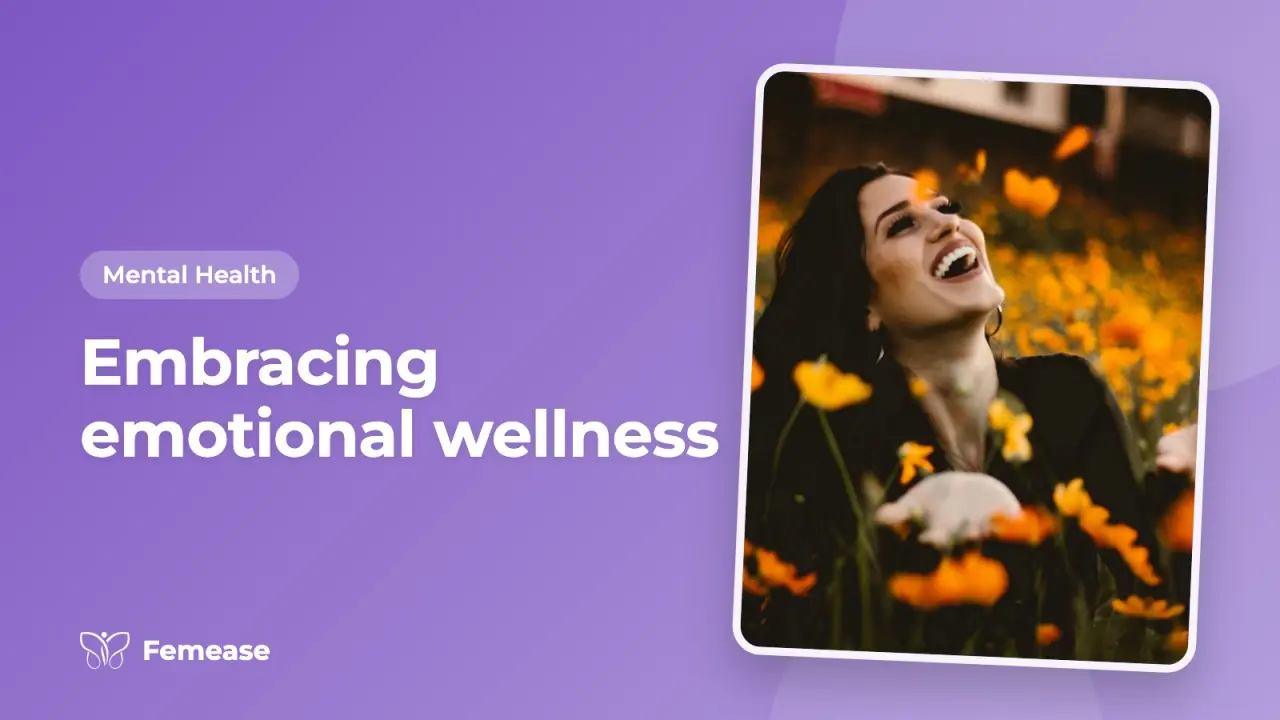
In short: Emotional wellness means being able to notice, accept and cope with your feelings, so you can handle stress and recover from hard times. Women often juggle work, family and caregiving while putting themselves last, and hormone changes around periods, pregnancy and menopause can also affect mood. Daily self-care, supportive people, sleep, movement and good food help. If stress, anxiety or low mood will not lift, talk to a therapist or doctor.
In today’s fast-paced world, women often juggle multiple roles—career, family, relationships, and personal health. With so many responsibilities, mental health can take a back seat, but it’s crucial to recognize that emotional wellness is the foundation of a healthy and fulfilling life. For women, addressing mental health isn't just about managing stress—it's about ensuring long-term emotional resilience in the face of unique challenges.
The Importance of Mental Health for Women
Mental health matters for everyone, but women face certain pressures that make emotional well-being particularly important. From societal expectations and caregiving roles to hormonal changes and workplace demands, women are often tasked with balancing the needs of others while neglecting their own. This can lead to burnout, anxiety, depression, and a range of emotional difficulties that aren’t always easy to talk about.
The statistics are sobering: according to the World Health Organization, women are more likely to experience anxiety and depression compared to men. Factors such as hormonal changes (related to menstruation, pregnancy, and menopause) and caregiving responsibilities contribute to this disparity. Yet despite the prevalence of mental health issues among women, many continue to suffer in silence due to stigma or a lack of awareness.
Breaking the Stigma
One of the biggest barriers women face when it comes to mental health is societal stigma. There's often an expectation for women to be strong, nurturing, and capable of handling everything life throws at them. This "superwoman" mentality can make it difficult to admit when they need help, leading to prolonged suffering and deteriorating mental health.
At Femease, we believe in breaking this stigma. Mental health is not a sign of weakness—it's a vital part of overall well-being. Seeking help, whether through therapy, support groups, or simply talking to someone, is a strength. Empowering women to prioritize their emotional wellness is key to creating a healthier, more balanced life.
Hormonal Changes and Emotional Health
Women's mental health is intricately tied to their hormonal cycles. Hormonal changes during puberty, menstruation, pregnancy, postpartum, and menopause can lead to emotional fluctuations, sometimes exacerbating mental health conditions. For example, premenstrual dysphoric disorder (PMDD) and postpartum depression are both conditions directly linked to hormonal changes that impact emotional well-being.
Understanding these connections can help women and their healthcare providers better manage mental health. Femease’s personalized health plans take these hormonal changes into account, offering holistic solutions that include expert guidance from nutritionists, fitness experts, mental therapists, and doctors.
Small Steps Toward Emotional Wellness
While mental health challenges are common, the good news is that emotional wellness is within reach. Here are some small but impactful steps women can take to nurture their emotional well-being:
Practice Self-Care: Dedicate time each day to something that brings you joy, whether it’s reading, walking, or meditating. Self-care isn’t selfish; it’s essential for maintaining balance.
Build a Support System: Surround yourself with people who uplift and support you. Don’t hesitate to lean on them when life feels overwhelming.
Seek Professional Help: Therapy and counseling can provide valuable tools for managing stress, anxiety, and depression. Femease offers personalized mental health plans to support you on this journey.
Prioritize Physical Health: Regular exercise, a balanced diet, and sufficient sleep can significantly improve mental health. Remember, the mind and body are connected.
Conclusion
Mental health is the cornerstone of overall well-being. For women, addressing emotional wellness is especially crucial, given the unique challenges they face. At Femease, we are committed to helping women prioritize their mental health, break the stigma, and take steps toward a more balanced and empowered life. Remember, your mental health matters, and seeking support is the first step toward embracing emotional wellness.
At Femease , we understand that every woman’s mental health journey is unique. That’s why we offer personalized mental health plans that focus on the specific challenges women face, from hormonal imbalances to cancer recovery and fertility treatments. Our team of experts—including mental wellness therapists, nutritionists, and fitness experts—work together to create a holistic care plan tailored to your needs. Emotional wellness is not a luxury—it’s a necessity. By prioritizing mental health, women can lead more fulfilled, balanced lives, free from the emotional weight that often comes with societal pressures. At Femease, we are here to support you every step of the way.
Questions women ask
What does emotional wellness mean?
It means understanding your feelings, accepting them without judging yourself and having healthy ways to cope with stress. It does not mean being happy all the time. It means you can bend under pressure and find your balance again, with support when you need it.
What mental health issues are common in women?
Anxiety, depression and burnout are common, often linked with caregiving roles, work pressure and social expectations. Hormone-related conditions such as PMDD and postpartum depression also affect women specifically. Stigma means many suffer in silence, but help is available and seeking it is a strength.
What are some simple mental health tips for women?
Set aside a little time each day for something you enjoy, like reading or a walk. Stay close to people who support you. Move your body, eat balanced meals and protect your sleep. Say no when you need to, and remember that self-care is not selfish.
When should I see a professional for my mental health?
If stress, worry or low mood lasts for weeks, affects your sleep, eating, work or relationships, or you feel you cannot cope, talk to a therapist or doctor. If you have thoughts of harming yourself, get help straight away: go to the nearest hospital emergency or call Tele-MANAS, India's free mental health helpline, on 14416.
General information, not medical advice. Talk to a doctor about your own health.
Talk to a therapistKeep reading in the Femease app
Save articles, track your cycle or pregnancy, and talk to a doctor when you need one.
Keep reading

Pregnancy after 35: Breaking the stigma around “geriatric” motherhood
Debunking myths, embracing late motherhood, and empowering women to choose their timeline
Importance of mental health during pregnancy
Feeling anxious or low in pregnancy? Learn why mental health matters, common emotional challenges like mood swings and fear, and simple ways to cope.
Navigating hormonal imbalances and mental health
Mood swings, anxiety or low mood? Learn how hormone changes in periods, pregnancy, postpartum and menopause affect mental health, and where to get support.
The disconnect between emotional intelligence and emotional capacity
Why someone emotionally “aware” can still be emotionally unavailable or avoidant.
The gut-brain connection
Can food affect your mood? Learn how your gut and brain talk to each other, and how fibre, fewer processed foods and good sleep may support mental health.
How to manage anxiety and stress: what actually helps
Everyday steps that ease anxiety and stress, what to do when your heart races, and when to get help, including India's Tele-MANAS helpline.
