Navigating hormonal imbalances and mental health
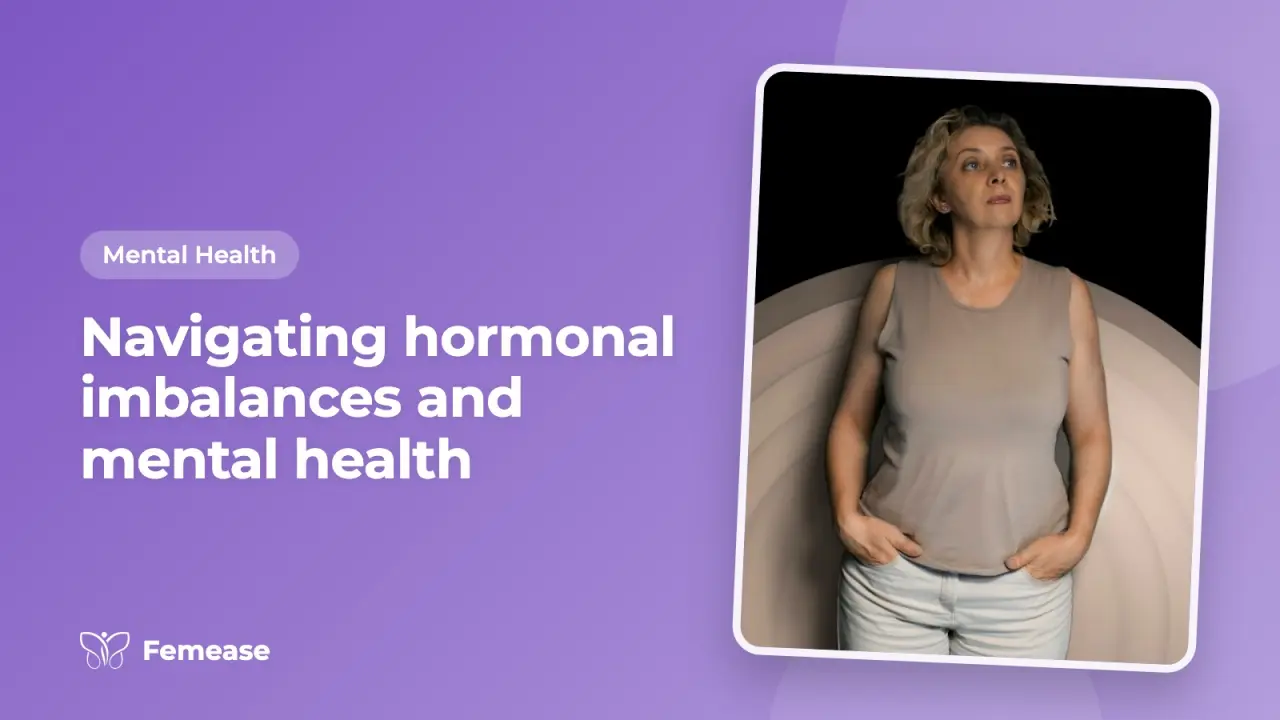
In short: Yes, hormones can affect your mood. Changes around periods, pregnancy, after childbirth and in menopause can bring mood swings, irritability, anxiety, low mood, tiredness, poor sleep and trouble focusing. Balanced food, regular exercise and stress management can help. If mood changes last, get in the way of daily life or come with other symptoms, see a gynaecologist or doctor to check for a hormonal cause, and a therapist for support.
Hormonal imbalances are often viewed through the lens of physical health, but their impact on mental well-being can be profound. For women, fluctuating hormone levels throughout life stages—such as puberty, menstruation, pregnancy, and menopause—can lead to emotional challenges that are frequently overlooked. Understanding this connection is vital for promoting holistic health and well-being.
The Hormone-Mental Health Connection
Hormones are powerful chemical messengers that influence various bodily functions, including mood regulation. Estrogen, progesterone, and testosterone, among others, play significant roles in how we feel. When hormone levels fluctuate or become imbalanced, it can lead to various mental health issues, such as:
Mood Swings: Many women experience mood changes related to their menstrual cycles, pregnancy, or menopause. These fluctuations can lead to irritability, sadness, or anxiety.
Anxiety and Depression: Hormonal changes can trigger or exacerbate anxiety and depression. For instance, women with premenstrual syndrome (PMS) or premenstrual dysphoric disorder (PMDD) may experience severe emotional symptoms.
Postpartum Mental Health Issues: After childbirth, hormonal shifts can significantly impact a woman’s mental state, leading to postpartum depression or anxiety.
Menopausal Symptoms: As women transition through menopause, decreasing hormone levels can contribute to feelings of sadness, anxiety, and even cognitive changes.
Recognizing Symptoms
It’s essential to recognize the symptoms of hormonal imbalances and their impact on mental health. Some common signs include:
Persistent mood changes or irritability
Anxiety or feelings of overwhelm
Fatigue or lack of energy
Difficulty concentrating or memory issues
Changes in sleep patterns
If you notice these symptoms, it’s crucial to consult with a healthcare provider to explore potential hormonal issues. A thorough assessment can help identify the root cause and lead to effective treatment options.
Holistic Approaches to Managing Hormonal Imbalances
Managing hormonal imbalances requires a multifaceted approach that includes lifestyle changes, professional support, and self-care practices. Here are some strategies to consider:
Nutrition: A balanced diet rich in whole foods supports your overall health and mood. Foods high in omega-3 fatty acids, fiber, and antioxidants can be particularly beneficial. Incorporate plenty of fruits, vegetables, whole grains, and healthy fats into your meals.
Regular Exercise: Physical activity is crucial for managing stress and improving mood. Aim for a mix of cardiovascular exercise, strength training, and mindfulness practices like yoga to support your mood and overall health.
Stress Management: Chronic stress can exacerbate hormonal imbalances. Incorporate relaxation techniques such as meditation, deep breathing exercises, or mindfulness practices into your daily routine.
Professional Support: Consult with healthcare providers who understand the relationship between hormones and mental health. Femease offers personalized health plans that include expert guidance from nutritionists, mental health therapists, and other specialists to support your journey.
Conclusion
Hormonal imbalances can significantly impact mental health, yet they are often overlooked in conversations about women’s well-being. By understanding the connection between hormones and emotional health, women can take proactive steps to manage their mental wellness. At Femease, we are committed to providing the support and resources needed to navigate these challenges and promote a healthier, more balanced life. Remember, your mental health matters, and seeking help is a crucial step in the right direction.
At Femease, we recognize that every woman’s experience with hormonal imbalances is unique. Our personalized health plans are designed to address the specific needs of women facing these challenges. By combining nutritional guidance, mental health support, and holistic wellness practices, we empower women to take charge of their hormonal health.
Questions women ask
Can hormonal imbalance cause anxiety?
Yes, hormone changes can trigger or worsen anxiety and low mood. Some women notice it before periods, after childbirth or around menopause. A doctor can check whether hormones, thyroid or something else is behind it, and a therapist can help you cope with the feelings.
Does hormonal imbalance cause mood swings?
It can. Many women notice irritability, sadness or anxiety that rises and falls with their cycle, in pregnancy or during menopause. Keeping a simple diary of mood alongside your cycle can help you and your doctor see a pattern.
What is the difference between PMS and PMDD?
PMS brings mild to moderate mood and body changes before a period. PMDD is a more severe form, where low mood, anxiety or irritability before periods is strong enough to disrupt work, relationships or daily life. If your symptoms feel that heavy, see a gynaecologist.
When is low mood after childbirth or in menopause a concern?
If you feel low, anxious or hopeless most days for more than two weeks, or cannot sleep, eat or cope, see your doctor soon. Postpartum depression and anxiety are common and treatable. If you have thoughts of harming yourself, get help straight away: go to the nearest hospital emergency or call Tele-MANAS, India's free mental health helpline, on 14416.
General information, not medical advice. Talk to a doctor about your own health.
Talk to a therapistKeep reading in the Femease app
Save articles, track your cycle or pregnancy, and talk to a doctor when you need one.
Keep reading
Navigating the emotional rollercoaster
Mood swings or anxiety in menopause? Learn the emotional changes menopause can bring, from low libido to memory issues, and ways to cope and get help.
Thyroid imbalances after pregnancy
How postpartum thyroiditis can go unnoticed and mimic mood disorders or exhaustion.
Importance of mental health during pregnancy
Feeling anxious or low in pregnancy? Learn why mental health matters, common emotional challenges like mood swings and fear, and simple ways to cope.

Balancing hormones naturally
Signs of hormonal imbalance like fatigue, acne or irregular periods? Learn how food, sleep, stress care and movement can support your hormones.
Embracing emotional wellness
Why does mental health matter for women? Learn how hormones affect mood, why stigma keeps women silent, and small daily steps to emotional wellness.
Mindfulness practices to help you manage daily stress
Discover Simple Techniques to Cultivate Awareness and Reduce Anxiety in Your Everyday Life
