Thyroid imbalances after pregnancy
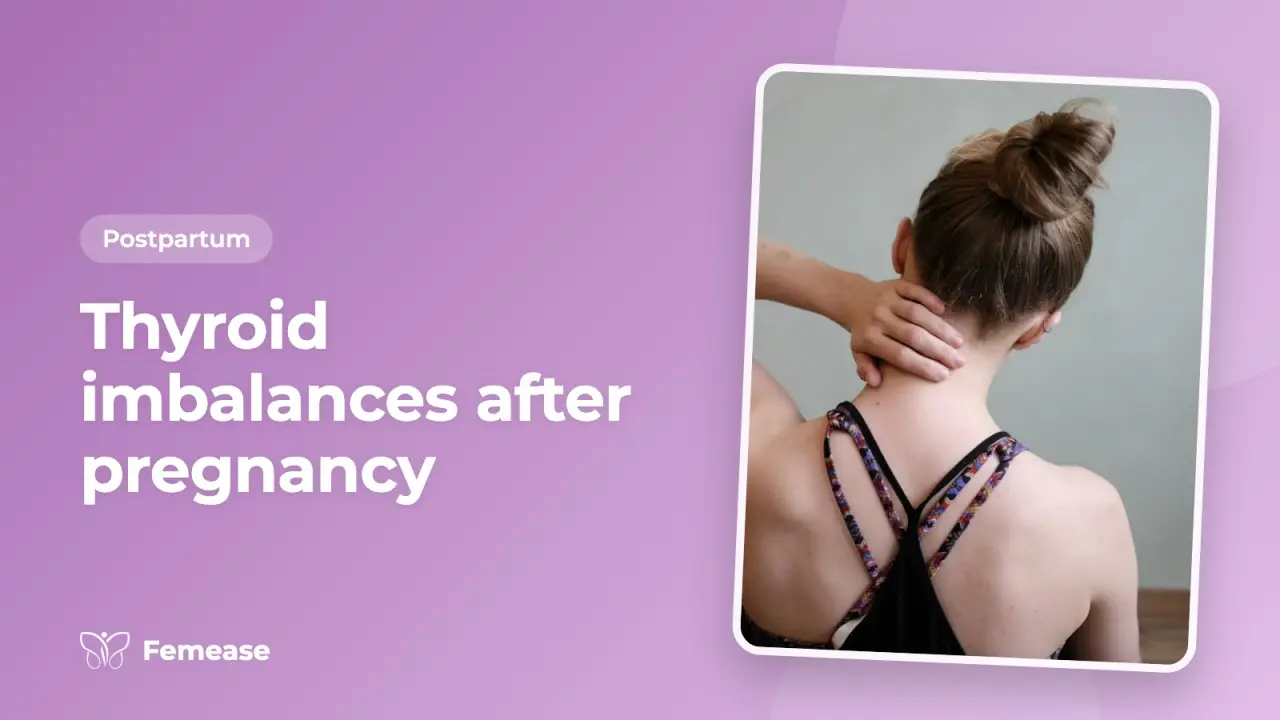
In short: Postpartum thyroiditis is swelling of the thyroid gland in the first year after giving birth. It often starts with an overactive phase, with a racing heart, anxiety and weight loss, followed by an underactive phase with tiredness, weight gain, low mood and hair loss. Because these feel like normal new-mother tiredness, it is easy to miss. If you feel unwell in the year after delivery, ask your doctor for a simple thyroid blood test.
Becoming a mother is a beautiful, life-altering experience, but it also brings with it a whirlwind of hormonal changes. You are told to expect sleepless nights, mood swings, and exhaustion. But what if what you are feeling is more than just being tired? What if there is an underlying condition that is quietly affecting your body, without you even realizing it?
This is the reality for many women who develop postpartum thyroiditis, a condition that affects the thyroid gland after childbirth. The tricky part? Its symptoms can easily be mistaken for normal postpartum recovery or even postpartum depression.
What is postpartum thyroiditis?
Postpartum thyroiditis is an inflammation of the thyroid gland that occurs in the first year after giving birth. The thyroid, a butterfly-shaped gland in your neck, is responsible for regulating metabolism, energy levels, and mood. When it is inflamed, it can cause your thyroid hormone levels to fluctuate, either spiking too high (hyperthyroidism) or dropping too low (hypothyroidism).
According to the American Thyroid Association, postpartum thyroiditis affects about 5% to 10% of women, but many go undiagnosed because the symptoms are subtle and often chalked up to “new mom life.”
Why does it often go unnoticed?
New moms are expected to feel exhausted, irritable, emotional, and even forgetful. These symptoms can all be part of adjusting to life with a newborn, but they are also classic signs of thyroid imbalance.
Common symptoms of postpartum thyroiditis:
In the hyperthyroid phase (typically 1-4 months postpartum):
- Rapid heartbeat or palpitations
- Sudden weight loss despite normal or increased appetite
- Anxiety, restlessness, or insomnia
- Heat intolerance
- Irritability
In the hypothyroid phase (typically 4-8 months postpartum):
- Fatigue or extreme tiredness
- Weight gain
- Depression or feeling emotionally flat
- Dry skin and hair loss
- Brain fog or poor concentration
- Cold sensitivity
These symptoms can overlap with postpartum depression (PPD) or simply be dismissed as part of “normal” motherhood. As a result, many women suffer in silence, unaware that a simple blood test could explain everything.
Why timely diagnosis matters
Ignoring postpartum thyroiditis can lead to long-term thyroid dysfunction. Some women recover fully, while others develop permanent hypothyroidism, which requires lifelong treatment.
Getting diagnosed early means:
- You can start treatment or monitoring
- You will feel more like yourself again sooner
- You will avoid unnecessary guilt or anxiety
What can you do
If you are 1 to 12 months postpartum and experiencing unusual fatigue, mood changes, or other concerning symptoms, ask your doctor for a thyroid function test (TSH, T3, T4). It is a simple blood test that can make a big difference.
Managing thyroid health postpartum
Depending on your thyroid hormone levels, your doctor may recommend:
- Watchful waiting if your levels are expected to return to normal
- Treatment for hyperthyroid or hypothyroid symptoms, which your doctor can explain
- Regular follow-up tests to monitor changes
Lifestyle tips that help:
- Get enough rest (easier said than done, we know)
- Eat a balanced diet rich in iodine, selenium, and iron
- Reduce stress through meditation, yoga, or walks
- Lean on your support system, do not isolate yourself
Motherhood is already a complex, emotional journey, you should not have to navigate unexplained symptoms on top of it. Postpartum thyroiditis is real, common, and treatable.
If you feel off, trust your instincts. Advocate for your health, talk to your doctor, and know that you are not alone. You deserve to feel good, not just survive this chapter.
Questions women ask
What are the symptoms of postpartum thyroiditis?
In the overactive phase, often 1 to 4 months after delivery, you may have a racing heart, weight loss, anxiety, poor sleep and feeling hot. In the underactive phase, often 4 to 8 months after delivery, you may feel very tired, gain weight, feel low, feel cold, and notice dry skin or hair loss.
How is postpartum thyroiditis diagnosed?
It is checked with a simple blood test for thyroid hormones, such as TSH, T3 and T4. If you are within a year of delivery and have unusual tiredness, mood changes or a racing heart, ask your doctor for this test.
Is postpartum thyroiditis permanent?
Many women recover fully as their thyroid settles. Some go on to have a long-term underactive thyroid that needs ongoing care. Regular follow-up blood tests help your doctor catch this early.
Is it postpartum depression or a thyroid problem?
The two can feel very similar, with tiredness, low mood and poor concentration. A thyroid blood test helps tell them apart, and both deserve care. If you feel hopeless or have thoughts of harming yourself or your baby, get help straight away: call Tele-MANAS on 14416 or go to the nearest emergency.
How can I support my thyroid after pregnancy?
Rest when you can, eat balanced meals that include iodised salt, eggs, fish, nuts and green vegetables, and lean on family for support. Follow your doctor's advice on monitoring or treatment, and check with a doctor before taking any supplement.
General information, not medical advice. Talk to a doctor about your own health.
Talk to a doctor about your recovery after birthKeep reading in the Femease app
Save articles, track your cycle or pregnancy, and talk to a doctor when you need one.
Keep reading

Navigating hormonal imbalances and mental health
Mood swings, anxiety or low mood? Learn how hormone changes in periods, pregnancy, postpartum and menopause affect mental health, and where to get support.
Thyroid in women: symptoms, causes, tests and pregnancy
Signs of an underactive or overactive thyroid in women, how it affects periods and pregnancy, what the TSH test shows, and when to see a doctor.

Overcoming eating disorders
Rediscovering My Body

PMDD (Premenstrual Dysphoric Disorder)
Often mistaken for mood swings, this severe, cyclical condition deserves more awareness and clinical recognition.

Nutrition for lactation-related deficiencies
How breastfeeding can deplete nutrients like iron, B12, calcium, and magnesium.

Night sweats and hot flashes after birth: what's normal
Soaking sheets at night or suddenly hot after delivery? Why your temperature swings postpartum, how long it lasts, and when to call your doctor.
