Nutrition for lactation-related deficiencies
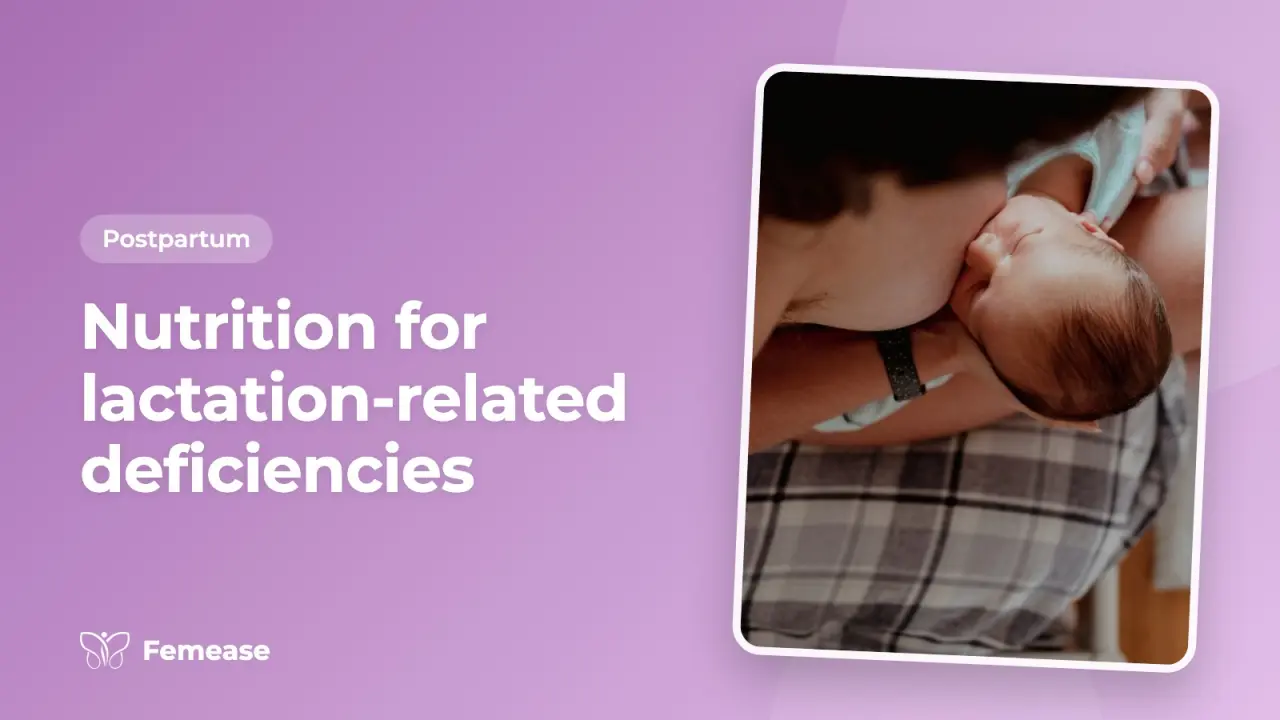
In short: Breastfeeding takes a lot from your body, and low iron, vitamin B12, calcium or magnesium are common after delivery, especially if you lost blood at birth, were low in pregnancy or eat a vegetarian diet. Regular meals with greens, dal, ragi, sesame, dairy, eggs, nuts and seeds help refill your stores. If you feel very tired, breathless, foggy, tingly or low, see a doctor for a blood test, and check with them before taking any supplement.
“I thought pregnancy was the hard part, then came breastfeeding.”
If you are a new mom and that sentence sounds familiar, you are not alone. Breastfeeding is a beautiful, nourishing act that builds the foundation of your baby’s health. But behind that magical connection lies a lesser-known reality: breastfeeding can take a toll on your body, too, especially when it comes to nutrient depletion.
How breastfeeding depletes nutrients
Your body is like a generous giver during lactation. It prioritizes your baby’s needs, often at the expense of your own. When your daily diet does not provide enough nutrients, your body dips into its reserves. Over time, this can leave you feeling fatigued, moody, foggy, or even depressed, and that is not just “new mom exhaustion.” These may be signs that your iron, B12, calcium, or magnesium levels are low.
Key nutrients are often depleted during breastfeeding
Iron
Why it matters: Iron supports oxygen circulation and energy production. How breastfeeding affects it: While breast milk does not drain iron rapidly, moms who lost blood during delivery or had low iron during pregnancy are especially vulnerable. Symptoms of deficiency: Tiredness, pale skin, breathlessness, hair loss.
Foods rich in iron:
- Leafy greens (spinach, moringa)
- Dates and raisins
- Lean meats
- Lentils and beans
- Jaggery
Tip: Combine iron-rich foods with Vitamin C (like lemon or amla) for better absorption.
Vitamin B12
Why it matters: Vital for brain function, nerve health, and energy levels. How breastfeeding affects it: Breastfeeding moms, especially vegetarians and vegans, can develop B12 deficiency since the nutrient is found mainly in animal products. Symptoms of deficiency: Brain fog, tingling hands/feet, extreme fatigue, mood swings.
Sources of B12:
- Dairy (milk, paneer, curd)
- Eggs
- Fortified cereals or nutritional yeast
- Ask your doctor whether you need a supplement
Calcium
Why it matters: Calcium supports strong bones, muscles, and nerve function. How breastfeeding affects it: Your body draws calcium from your bones to enrich breast milk. This can lead to weaker bones or joint pain if not replenished. Symptoms of deficiency: Aching bones, brittle nails, and muscle cramps.
Sources of calcium:
- Sesame seeds
- Ragi (finger millet)
- Almonds
- Dairy products
- Leafy greens (amaranth, kale)
Magnesium
Why it matters: Magnesium helps with stress regulation, sleep, and muscle function. How breastfeeding affects it: Constant milk production can subtly lower magnesium, especially if you are stressed, sleep-deprived, or eating irregularly. Symptoms of deficiency: Anxiety, poor sleep, irritability, muscle twitches.
Magnesium-rich foods:
- Pumpkin seeds
- Whole grains
- Dark chocolate
- Banana
- Coconut water
How to protect your health while breastfeeding
Do not skip meals – You need an extra 300-500 calories during lactation. Choose nutrient-dense options. Hydrate mindfully – Drink 8-12 glasses of water daily, and include coconut water or warm herbal drinks like jeera or saunf water, which many families give new mothers. Check with your doctor before taking any herb while breastfeeding. Ask your doctor – Especially if you are vegan, vegetarian, or have postnatal symptoms, ask your doctor whether you need a supplement. Add traditional superfoods – Moringa, methi (fenugreek), curry leaves, and gond laddoos are excellent additions from Indian wisdom. Listen to your body – Tiredness, dizziness, or mood swings could be a red flag, not just “mom life.”
Breastfeeding is natural, but it is also demanding. Taking care of your nutrition is not selfish; it is essential. Think of it this way: a well-nourished mom = a well-nourished baby.
So, mama, go ahead, serve yourself that hearty ragi dosa, sip that turmeric milk, and follow your doctor's advice. You deserve it.
Questions women ask
What are the signs of iron deficiency while breastfeeding?
Tiredness, pale skin, breathlessness and hair loss are common signs. Women who lost a lot of blood at delivery or had low iron in pregnancy are more at risk. Eat leafy greens, dates, jaggery, lentils and lean meat, with lemon or amla for better absorption, and ask your doctor for a blood test.
Can breastfeeding cause B12 deficiency?
It can, especially in vegetarian and vegan mothers, because B12 comes mainly from animal foods. Brain fog, tingling hands or feet, extreme tiredness and mood swings are signs. Milk, curd, paneer, eggs and fortified cereals help. A doctor can check your level and tell you if you need a supplement.
What are the symptoms of calcium deficiency after delivery?
Aching bones, joint pain, brittle nails and muscle cramps can point to low calcium, because your body draws on your bones to enrich breast milk. Sesame seeds, ragi, almonds, dairy and greens like amaranth are good sources. Check with a doctor before taking any supplement.
What should a breastfeeding mother eat every day?
Do not skip meals. Aim for home-cooked food with grains, dal, vegetables, greens, dairy or eggs, and a handful of nuts or seeds, and keep water nearby while you feed. Traditional foods like ragi, methi and moringa fit in well.
When should a breastfeeding mother see a doctor about tiredness?
If tiredness, dizziness, breathlessness or low mood does not improve with rest and food, see a doctor for blood tests. Go the same day for a racing heart. If you have thoughts of harming yourself, get help straight away: go to the nearest hospital emergency or call Tele-MANAS, India's free mental health helpline, on 14416. For chest pain, breathlessness or fainting, go to hospital straight away.
General information, not medical advice. Talk to a doctor about your own health.
Talk to a doctor about your recovery after birthKeep reading in the Femease app
Save articles, track your cycle or pregnancy, and talk to a doctor when you need one.
Keep reading
The importance of nutrition during pregnancy
What to eat in pregnancy? Learn the key nutrients you need, like folic acid, iron and calcium, foods to include, and foods to avoid for you and baby.
Nutrition for postpartum recovery and breastfeeding
What to eat after delivery? Postpartum food basics for recovery and breastfeeding, from warm cooked meals and ghee to laddoos and foods to avoid.
Iron deficiency due to heavy periods
Tired and dizzy with heavy periods? Learn the signs of iron deficiency anaemia, iron-rich foods to eat, and when to see a doctor for a check.

Mineral deficiency and skin
Discover how common mineral deficiencies show up on your skin and what you can do through diet to restore your glow.
Hair loss, skin changes & nail woes after birth
Hair fall after pregnancy? Learn why postpartum hair loss, skin changes and weak nails happen, when they usually settle, and when to see a doctor.

Thyroid imbalances after pregnancy
How postpartum thyroiditis can go unnoticed and mimic mood disorders or exhaustion.
