The importance of nutrition during pregnancy
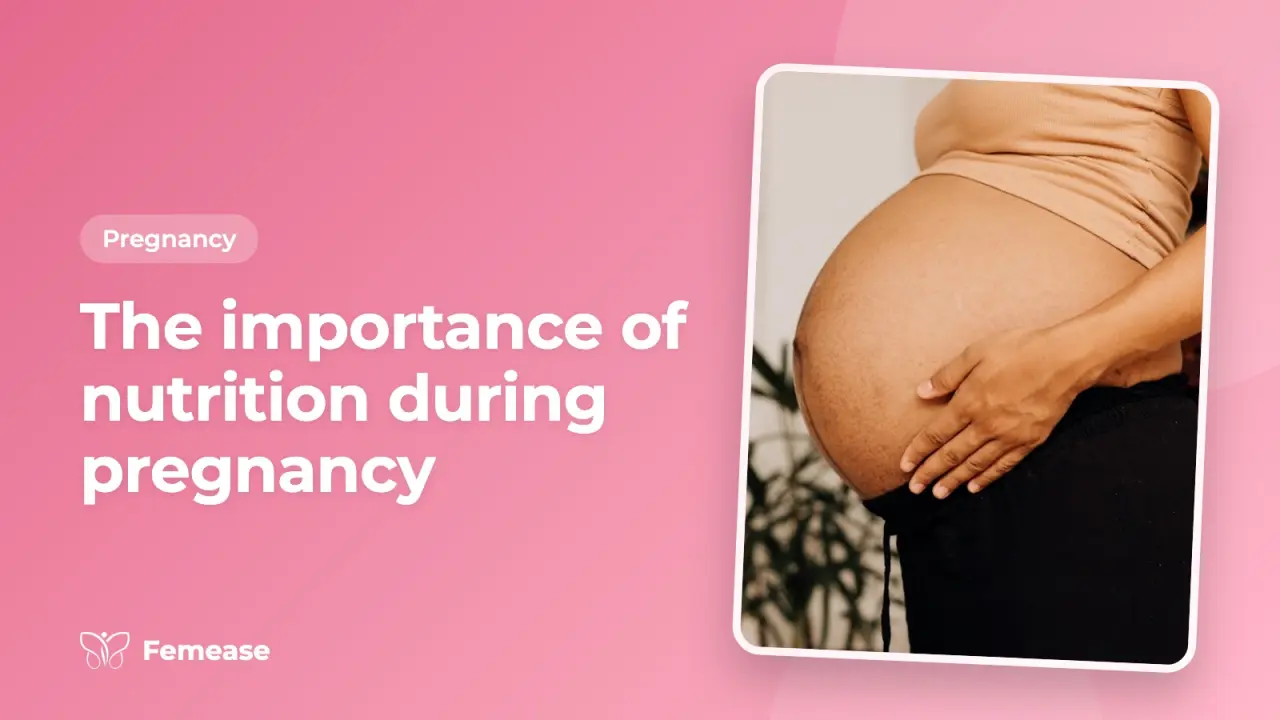
In short: Good nutrition in pregnancy helps your baby's brain, bones and organs grow and keeps you strong and energetic. Focus on folate, iron, calcium, protein, healthy fats and fibre from foods like leafy greens, dal and beans, dairy, eggs, nuts, seeds, whole grains and fruit. Avoid raw or undercooked meat and eggs, unpasteurised milk and alcohol, and keep caffeine low. Your gynaecologist will tell you which supplements you need, so ask before taking any on your own.
Pregnancy is a time when your body undergoes significant changes, and the right nutrition plays a crucial role in ensuring both your health and your baby’s development. Eating a balanced diet with the right nutrients can help reduce pregnancy complications, promote fetal growth, and keep you feeling strong and energised. In this blog, we’ll explore essential foods to include in your diet, what to avoid, and tips for maintaining a nutritious pregnancy meal plan.
Why Nutrition Matters in Pregnancy
The nutrients you consume during pregnancy support your baby’s growth and development, while also providing the energy your body needs to manage physical changes. From building the baby’s brain and organs to supporting your immune system, proper nutrition impacts both maternal and fetal health.
Key Nutrients for a Healthy Pregnancy
Here are some key nutrients that should be a priority during pregnancy:
Folic Acid
Vital for preventing birth defects in the brain and spinal cord, folic acid is essential during the first trimester. Include dark green leafy vegetables, beans, and fortified cereals in your diet.
Iron
Iron supports your increased blood volume during pregnancy and prevents anemia. Good sources include lean meats, beans, spinach, and iron-fortified cereals.
Calcium
This mineral is crucial for developing strong bones and teeth for the baby, as well as maintaining your bone health. Dairy products, almonds, and fortified plant-based milks are great sources of calcium.
Protein
Protein is important for the growth of your baby’s tissues and organs. Include lean meats, eggs, beans, nuts, and tofu in your meals.
Omega-3 Fatty Acids
These essential fats help with brain development and are found in fish like salmon and flaxseeds.
Fiber
Pregnancy often leads to digestive discomfort, such as constipation. Fiber-rich foods like whole grains, fruits, and vegetables can help keep your digestive system moving smoothly.
Foods to Include in Your Pregnancy Diet
To maintain a healthy pregnancy, focus on consuming nutrient-dense, whole foods. Here are some examples:
Whole Grains Quinoa, oats, brown rice, and whole-wheat bread provide essential fiber, B vitamins, and slow-releasing energy to keep you going throughout the day.
Leafy Greens Spinach, kale, and broccoli are rich in iron, calcium, and folic acid, helping you meet your increased nutrient demands.
Dairy Products Milk, yogurt, and cheese provide calcium and protein, which are vital for the baby’s growth and your bone health.
Berries Rich in antioxidants, fiber, and vitamin C, berries like strawberries and blueberries help support your immune system and fight inflammation.
Legumes Lentils, beans, chickpeas, and peas are excellent sources of folate, iron, and protein, making them a perfect addition to your pregnancy diet.
Nuts and Seeds Almonds, chia seeds, and flaxseeds provide omega-3 fatty acids, protein, and fiber to help with digestion and fetal brain development.
Lean Meats Chicken, turkey, and lean cuts of beef offer high-quality protein and iron, essential for building your baby’s tissues and muscles.
Foods to Avoid During Pregnancy
While it’s important to focus on healthy foods, there are also certain items that should be avoided to protect you and your baby from potential risks. Some foods can increase the risk of foodborne illnesses or contain harmful substances that can affect fetal development.
Raw or Undercooked Meat and Eggs Consuming raw or undercooked meat, poultry, seafood, and eggs increases the risk of foodborne illnesses like salmonella and toxoplasmosis. Always cook these thoroughly.
Fish High in Mercury Avoid fish like shark, swordfish, and king mackerel, as they can contain high levels of mercury, which can harm your baby’s developing nervous system.
Unpasteurized Dairy Products Soft cheeses like Brie, feta, and unpasteurized milk can carry bacteria like listeria, which may cause infections. Stick to pasteurized options.
Excessive Caffeine High levels of caffeine can lead to low birth weight and preterm birth. Limit your intake to about one cup of coffee a day, and remember tea and cola count too.
Alcohol Alcohol consumption during pregnancy can lead to fetal alcohol syndrome, affecting your baby’s physical and mental development. It’s safest to avoid alcohol entirely.
Processed Foods Highly processed foods like chips, sugary snacks, and fast food lack the essential nutrients you and your baby need and may contribute to excessive weight gain.
Tips for Maintaining a Balanced Diet
To ensure that you’re getting the most out of your pregnancy diet, follow these practical tips:
Eat Small, Frequent Meals Pregnancy can affect your digestion, so opt for small, balanced meals throughout the day to prevent nausea, heartburn, and fatigue.
Stay Hydrated Drink plenty of water to support digestion, reduce swelling, and maintain amniotic fluid levels.
Ask Your Doctor About Supplements Your gynaecologist will tell you which supplements you need, so ask before taking any on your own.
Listen to Your Body Pregnancy cravings and aversions are common, but try to focus on nutrient-dense foods. Satisfy cravings with healthy alternatives where possible.
Conclusion
Proper nutrition during pregnancy is one of the most powerful tools you have to support your health and your baby’s development. By focusing on nutrient-rich foods and avoiding harmful substances, you can ensure a healthier, more comfortable pregnancy.
With Femease’s Personalized Pregnancy Care Plans, you get expert support tailored to your needs, helping you thrive during this special time for 12 months. We help you during and also post-pregnancy.
Questions women ask
Why is nutrition important during pregnancy?
What you eat feeds your baby's growth, from the brain and spine to bones and muscles, and it supports your own blood, bones and immunity. Eating well can also lower the risk of problems like anaemia and help with tiredness and constipation.
What should I eat during pregnancy?
Eat a mix of whole grains, leafy greens, dal, beans and chickpeas, milk, curd and paneer, eggs or lean meat if you eat them, nuts, seeds and fresh fruit. Small, frequent meals and plenty of water help with nausea and heartburn. Your gynaecologist can guide you on any supplements you need.
What foods should I avoid while pregnant?
Avoid raw or undercooked meat, fish and eggs, unpasteurised milk and soft cheeses made from it, fish high in mercury such as shark and king mackerel, and alcohol completely. Keep tea and coffee low and cut down on packaged, fried and sugary foods.
When should I call a doctor during pregnancy?
Go to hospital straight away if you have vaginal bleeding, severe tummy pain, a bad headache with blurred vision, sudden swelling of the face or hands, fainting, or if your baby moves less than usual. See a doctor the same day for fever or vomiting so much you cannot keep water down.
General information, not medical advice. Talk to a doctor about your own health.
Talk to a doctor about your pregnancyKeep reading in the Femease app
Save articles, track your cycle or pregnancy, and talk to a doctor when you need one.
Keep reading
Nutrition for postpartum recovery and breastfeeding
What to eat after delivery? Postpartum food basics for recovery and breastfeeding, from warm cooked meals and ghee to laddoos and foods to avoid.
Nutrition for lactation-related deficiencies
How breastfeeding can deplete nutrients like iron, B12, calcium, and magnesium.

Importance of mental health during pregnancy
Feeling anxious or low in pregnancy? Learn why mental health matters, common emotional challenges like mood swings and fear, and simple ways to cope.

The importance of tracking a baby’s kicks and movements
How often should your baby kick? Learn what normal baby movement looks like, how to count kicks at home, and when to call your doctor straight away.

Pregnancy milestones
Pregnancy trimester by trimester: what to expect, how your baby grows, the changes in your body, and simple care tips from week 1 to week 40.

Managing common discomforts during pregnancy
Morning sickness, back pain or swollen feet in pregnancy? Practical, everyday tips to ease common pregnancy discomforts, including heartburn.
