Postpartum care in India: what new mothers need
Postpartum care is what a mother needs in the weeks after birth: food, rest, gentle movement, stitch care and pelvic floor exercises. Learn when to call.
The weeks and months after birth: healing, sleep, feeding, your first period and your feelings. You don't have to work it out alone.
Talk to a doctor about your recovery after birthPostpartum care is what a mother needs in the weeks after birth: food, rest, gentle movement, stitch care and pelvic floor exercises. Learn when to call.
If you are not breastfeeding, periods may return in 6 to 8 weeks; with breastfeeding it can take months. See what the first period is like and when to worry.

Always cold after giving birth, even in summer? It's common for weeks after a normal or C-section birth. The usual reasons, what helps and when to get checked.

Postpartum depression symptoms, how it differs from baby blues and postpartum psychosis, how long it lasts, what helps, and when to get help the same day.

Bleeding after delivery (lochia) usually lasts up to about 6 weeks. Learn normal colour changes, C-section bleeding, home care and warning signs to act on.
Yes, food aversions after delivery are common. Hormones, breastfeeding and poor sleep change your appetite. How long they last, and what helps.

Short, wispy hairs along your hairline months after delivery are usually new regrowth. Learn why it happens, when shedding slows and what helps.

Breasts often get smaller, softer or uneven after weaning. Why it happens, how long until they settle, and when to see a doctor.

Constant alertness after birth comes from love, but it can drain rest and add anxiety. Learn the signs, ways to cope and when to ask for support.
Most side effects after a spinal or epidural are mild and pass in days. See headaches, back pain, tingling and tiredness explained and when to call a doctor.
Back, neck and shoulder pain after delivery is very common. Learn why it happens and small changes in feeding and carrying that help.
Constipation, gas, reflux and an unsettled tummy are very common after delivery. Learn why digestion changes after birth and what may help you feel better.

After birth, sounds like a baby's cry can feel unbearable. Hormones, poor sleep and constant alertness play a part. See what helps and when to get support.

Sleep training ranges from cry it out to gentle, gradual ways, and feeling guilty is normal. See what to weigh, how to stay warm and steady, and when to ask.
Sudden anger or the urge to pull away while feeding is real and more common than people say. Learn what it is, why it happens and where to find support.
Postpartum anaemia means low haemoglobin after birth, often from blood loss or low iron. Learn the symptoms, why it goes unnoticed and when to get tested.

Yes, hip and joint pain after delivery is common. Learn why it happens, what gentle movement and posture help, and when to see a doctor or physiotherapist.

Soaking sheets at night or suddenly hot after delivery? Why your temperature swings postpartum, how long it lasts, and when to call your doctor.
Postpartum thyroiditis can start in the first year after birth and feel like normal new-mother tiredness. See the signs, why it is missed and when to test.
Breastfeeding takes a lot from your body, and low iron, B12 or calcium is common. See which everyday Indian foods help and when to ask about testing.

Hair fall after delivery is very common and temporary. See why it happens, when it slows down and what helps with dry skin, dark patches and weak nails.

Recovery after twins or triplets often takes longer. Learn what to expect physically, what helps, how sleep returns and what to know about feeding multiples.
Family help matters but is not always enough. See how lactation consultants, mom groups and online circles can ease loneliness and when to talk to a doctor.

Matrescence is the change a woman goes through as she becomes a mother, in body, feelings and identity. See how it feels, how it differs from PPD, what helps.
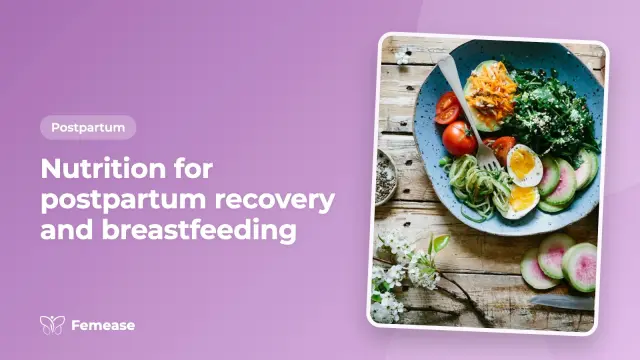
What to eat after delivery? Postpartum food basics for recovery and breastfeeding, from warm cooked meals and ghee to laddoos and foods to avoid.

Postpartum rage is common and does not make you a bad mother. See what it feels like, why hormones, sleep and mental load feed it and when to seek help.

Self-care for new moms starts with the basics: rest, home food, water and help with chores. Learn gentle ways to look after yourself in the early weeks.

C-section recovery usually takes about six to eight weeks, sometimes longer. Learn how to care for the wound, when to walk and lift, and warning signs.
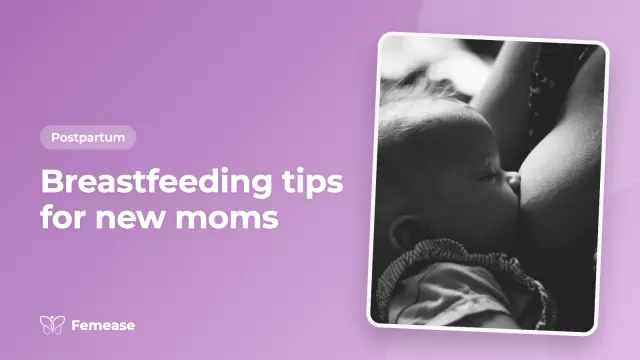
Simple breastfeeding tips: try different holds, skin to skin time and ask for help early if latching hurts. Learn when to see a lactation consultant.