Postpartum return of menstruation
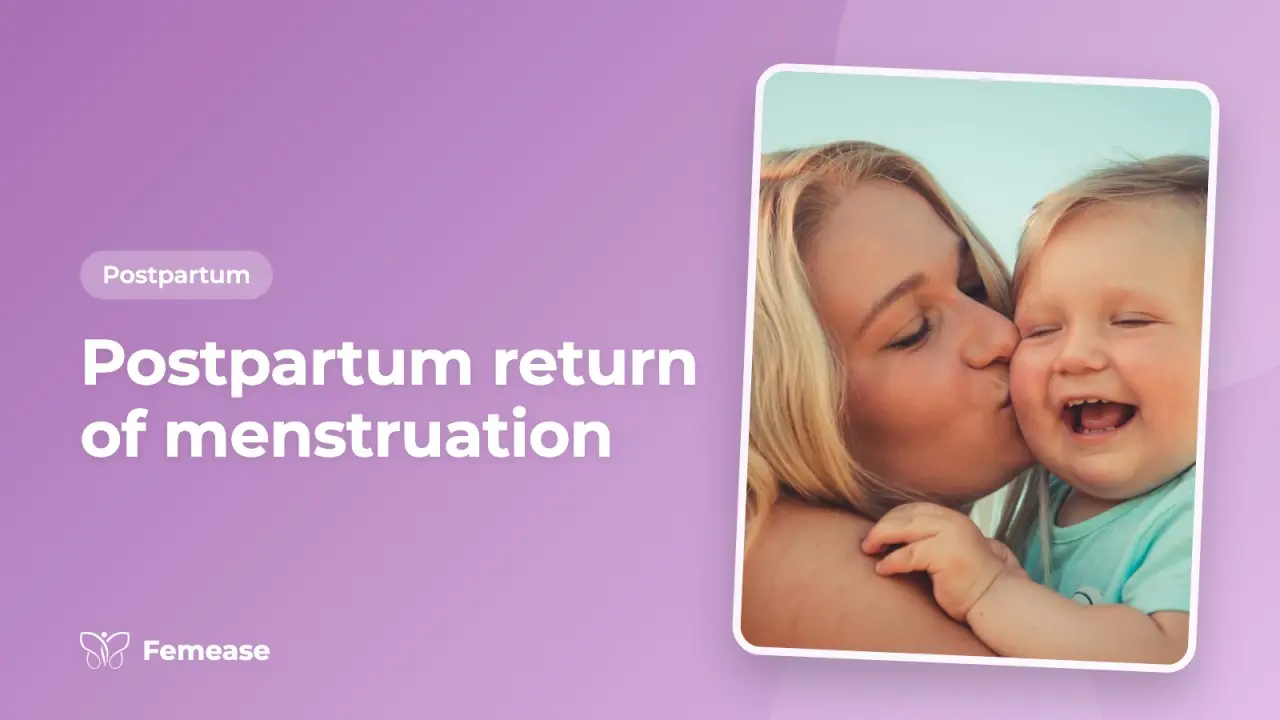
In short: If you are not breastfeeding, your period may come back as early as 6 to 8 weeks after delivery. If you are breastfeeding, it can take many months, sometimes up to a year. Your first periods may be heavier, longer or irregular for a while, and that is common. You can get pregnant before your first period, so talk about contraception at your postpartum check-up. See a doctor if a period lasts more than 10 days, and go to hospital straight away if you soak a pad every hour.
Bringing a baby into the world changes your body in countless ways. And if you are a new mom wondering when your period will come back after delivery_?_ You are not alone. The return of menstruation after childbirth varies widely, and it is completely normal to feel a little confused (and even concerned) about what is happening.
When does your period return after childbirth?
There’s no one-size-fits-all answer here.
If you are not breastfeeding:
Your period might return as early as 6 to 8 weeks postpartum. Once your hormones start to regulate, your body can resume ovulating, and menstruation follows.
If you are breastfeeding:
Breastfeeding delays the return of periods due to the hormone prolactin, which suppresses ovulation. Some women do not get their period back for months, even ayear, if they are exclusively nursing.
Fun fact: This is called lactational amenorrhea, and while it can delay ovulation, it is not a guaranteed form of contraception.
What your first postpartum period might look like
Your first period after giving birth might be a bit of a surprise. It could be:
- Heavier than usual
- Longer or shorter
- Crampier, or less
- Accompanied by small clots
And here is the kicker, it might not be regular for a while.
Your body is recalibrating. Hormones are still settling, especially if you are gradually weaning off breastfeeding or juggling sleep, stress, and self-care (we see you, mama!).
Irregular periods after baby: normal?
Yes! Here is what might happen:
- Your cycle length might fluctuate (e.g., 28 days one month, 35 the next).
- You may skip a period or two, especially if your baby’s feeding schedule changes.
- Spotting between periods might occur during the first few months.
Your body just spent 9+ months creating life; give it grace as it finds its rhythm again.
When to be concerned about postpartum periods
While irregularity is common, there are times when you should reach out to a healthcare provider:
- Extremely heavy bleeding (soaking through a pad every hour), which needs hospital care straight away
- Periods that last more than 10 days
- Severe cramps that interfere with daily life
- Foul-smelling discharge or unusual color
- You have not had a period for over a year, and you are not breastfeeding
Also, if your periods were regular before pregnancy and remain unpredictable even 6–9 months postpartum, it is worth discussing with your OB-GYN.
Can you get pregnant before your first period?
Short answer: Yes.
You ovulate before your first period shows up. So even if you have not seen any menstrual signs, your body might already be gearing up for another baby.
If you are not planning for a second pregnancy right away, it is important to talk about contraception during your postpartum check-up.
Tips to support hormonal balance postpartum
While much of this journey is out of your control, here are a few gentle ways to support your body:
- Nourish well – iron-rich foods, greens, nuts and seeds support recovery
- Sleep when you can (yes, it is tough!)
- Hydrate, especially if you are breastfeeding
- Try gentle movement (walking, yoga, stretching)
- Track your cycle using a journal or app
Every postpartum journey is different. For some, their cycle resumes like clockwork. For others, it is a bumpy ride. Whether you are 8 weeks or 8 months in, your body is doing incredible work behind the scenes, healing, restoring, adjusting.
Be patient with yourself. You are not just returning to your “old” self, you are becoming something even more powerful: a mother.
Questions women ask
When do periods start after delivery?
If you are not breastfeeding, periods often return about 6 to 8 weeks after delivery. If you are breastfeeding, the hormone prolactin can hold them back for several months or even a year. Both are normal.
Is the first period after delivery heavy?
It can be. Your first period may be heavier, longer or shorter than before, crampier, and may have small clots. Cycles can stay irregular for a few months while your hormones settle. Soaking through a pad every hour is not normal and needs a hospital check straight away.
Can I get pregnant before my first period after delivery?
Yes. You ovulate before your first period comes, so you can get pregnant without seeing any period. Breastfeeding delays ovulation but is not a reliable form of contraception. Discuss family planning with your doctor at your postpartum check-up.
Are irregular periods normal after having a baby?
Yes, for a while. Cycle length may change month to month, you may skip a period, or have some spotting in the first few months. If your periods were regular before pregnancy and are still unpredictable 6 to 9 months after delivery, speak to your gynaecologist.
When should I see a doctor about bleeding after delivery?
Go to hospital straight away if you soak a pad every hour, pass large clots or feel faint. See a doctor the same day if you have fever with tummy pain or notice foul-smelling discharge. Also see a doctor for periods lasting more than 10 days, severe cramps, or if you feel very low. If you have thoughts of harming yourself, get help straight away: go to the nearest hospital emergency or call Tele-MANAS, India's free mental health helpline, on 14416.
General information, not medical advice. Talk to a doctor about your own health.
Talk to a doctor about your recovery after birthKeep reading in the Femease app
Save articles, track your cycle or pregnancy, and talk to a doctor when you need one.
Keep reading
Menstruation in perimenopause
How your period behaves in your 40s, and what it is trying to tell you
Postpartum hip and joint pain
Hip or back pain after delivery? Learn why joint pain can linger postpartum, which areas it affects, gentle steps that help, and when to see a physio.
Menstruation and menopause
Periods and menopause: how hormones shape your monthly cycle, what changes at menopause for your bones, heart and vagina, and how the two differ.
Teens and menstruation
How to talk to your daughter about periods? A parent's guide to starting early, explaining body changes, period products, hygiene and emotional support.
Silent postpartum anemia
Why many women walk around undiagnosed, confusing low energy with “normal tiredness”
Night sweats and hot flashes after birth: what's normal
Soaking sheets at night or suddenly hot after delivery? Why your temperature swings postpartum, how long it lasts, and when to call your doctor.
