Menstruation and menopause
In short: Menopause is when periods stop for good, confirmed after 12 months with no period. It usually happens between 45 and 55, and some Indian women reach it a little earlier. In the years before, called perimenopause, periods often become irregular, lighter or heavier, and you may get hot flashes, night sweats, mood swings, poor sleep and vaginal dryness. See a gynaecologist if bleeding is very heavy, lasts much longer than usual, or comes between periods or after sex.
Hormonal changes during a woman's lifetime significantly influence her physical and emotional well-being. Two pivotal phases where these hormonal shifts play a crucial role are menstruation and menopause. In this article, we will delve into these hormonal transitions, highlighting their distinctive features and effects on a woman's overall health.
Menstruation Hormonal Changes
Menstrual Cycle Overview
The menstrual cycle, a 28-day process on average, involves complex hormonal changes orchestrated by the endocrine system.
It begins with Follicle-Stimulating Hormone (FSH) triggering estrogen production in the ovaries.
Estrogen Surge
During the first half of the menstrual cycle, estrogen levels rise, encouraging the thickening of the uterine lining.
Elevated estrogen levels can lead to symptoms like mood swings, breast tenderness, and bloating.
Progesterone Balance
In the latter half of the cycle, progesterone levels surge, maintaining the uterine lining and preparing the body for potential pregnancy.
Fluctuations in progesterone can result in mood swings, irritability, and fluid retention.
Hormonal PMS Symptoms
Hormonal changes prior to menstruation commonly cause Premenstrual Syndrome (PMS) symptoms, including mood swings, fatigue, and food cravings.
Fertility Impact
The menstrual cycle's hormonal dynamics directly influence a woman's fertility, crucial for family planning and reproductive health.
Menopause Hormonal Changes
Menopause Overview
Menopause signifies the end of a woman's reproductive years, typically occurring around age 50, though this varies from person to person.
This biological transition involves a significant decline in estrogen production.
Estrogen Decline
Estrogen levels plummet during menopause, resulting in notable symptoms like hot flashes, night sweats, and mood swings.
Bone Health and Osteoporosis Risk
Diminished estrogen levels during menopause contribute to reduced bone density, heightening the risk of osteoporosis and fractures.
Cardiovascular Effects
Estrogen plays a vital role in maintaining cardiovascular health; its decline in menopause increases the risk of heart diseases.
Vaginal Changes
Lower estrogen levels cause vaginal dryness and discomfort during sexual intercourse, impacting a woman's quality of life.
Treatment Options
If menopausal symptoms are affecting your daily life, a doctor can explain the treatment options that suit you, alongside a balanced diet and regular exercise.
Key Differences Between Menstruation and Menopause:
Frequency and Duration
Menstruation is a recurring monthly cycle lasting several days, while menopause is a one-time event signalling the end of reproductive years.
Hormone Levels
Menstruation involves cyclic fluctuations of estrogen and progesterone, while menopause is characterized by a significant and permanent decrease in estrogen levels.
Reproductive Status
Menstruation represents a woman's reproductive capability and fertility, while menopause denotes the end of this reproductive phase.
Conclusion
Understanding the hormonal fluctuations during menstruation and menopause is vital for women's health. These phases present unique hormonal challenges impacting a woman’s body and emotions, necessitating appropriate care and management strategies. By acknowledging these changes with proper knowledge, appropriate care and seeking the right support, women can navigate these life stages with greater ease and comfort, leading a healthy and fulfilling life.
Incorporating a balanced diet, regular exercise, and seeking medical guidance can ease the effects of hormonal shifts during menstruation and menopause, ultimately promoting overall well-being for women. Stay informed and empowered throughout these life stages to embrace them with grace and good health.
Questions women ask
What are the first signs of menopause?
Periods that become irregular, closer together or further apart, are often the first sign. Hot flashes, night sweats, mood swings, trouble sleeping, vaginal dryness and lower desire are also common. These changes can start in your 40s, sometimes earlier.
What is the age of menopause in India?
Most women reach menopause between 45 and 55, and many Indian women reach it in their late 40s. If your periods stop before 40, see a gynaecologist, as this is early and needs checking.
Is it normal to have irregular periods before menopause?
Yes. In perimenopause, hormone levels rise and fall unevenly, so cycles can get shorter or longer, and you may skip months. Still, see a gynaecologist for bleeding between periods, after sex, or periods much closer together than every three weeks.
Are heavy periods before menopause a concern?
Heavier periods are common in perimenopause, but they should be checked, as fibroids or other causes may be behind them. Go to a doctor the same day if you soak a pad every hour for a few hours, pass large clots, or feel dizzy or faint.
What is the difference between menstruation and menopause?
Menstruation is the monthly cycle of rising and falling oestrogen and progesterone during your fertile years. Menopause is a one-time change when periods stop for good and oestrogen stays low, which affects bones, heart health and the vagina.
General information, not medical advice. Talk to a doctor about your own health.
Talk to a doctor about your periodsFrom the Femease store

For your period
My Cara Ultra-thin Sanitary Pads with Organic Cotton Top Layer (4M+4L+4XL)
12 pads (4 M, 4 L, 4 XL)
199 rupees

For your period
My Cara Ultra-thin Sanitary Pads with Organic Cotton Top Layer (20 Large)
20 Large pads
299 rupees
Keep reading
Menstruation in perimenopause
How your period behaves in your 40s, and what it is trying to tell you
Postpartum return of menstruation
When will your period come back after delivery? Learn what your first postpartum period may be like, if irregular cycles are normal, and when to worry.
Teens and menstruation
How to talk to your daughter about periods? A parent's guide to starting early, explaining body changes, period products, hygiene and emotional support.
Yeast infections and bacterial vaginosis during menstruation
Understanding the Common Causes, Symptoms, and Solutions for Vaginal Infections Linked to Your Menstrual Cycle
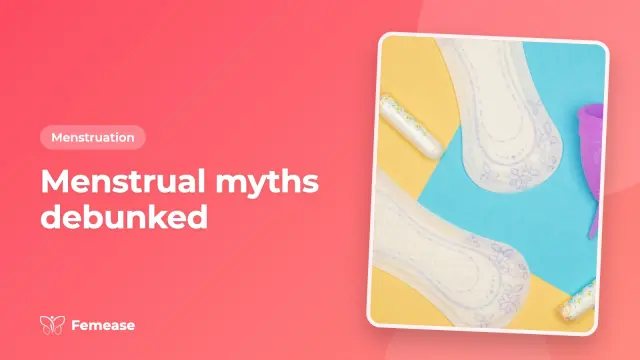
Menstrual myths debunked
Can you exercise or bathe on your period? We bust common period myths, from PMS being imaginary to getting pregnant on your period, with the facts.
Ovulation symptoms: signs, timing and your fertile days
Learn the common signs of ovulation, when it usually happens, how irregular periods change the timing, and when ovulation pain needs a doctor.
