Menstrual myths debunked
In short: Most period myths have no basis in fact. You can bathe, wash your hair, exercise, cook and eat normally during your period. Period blood is not dirty; it is simply the lining of the uterus shedding. You can get pregnant during your period, and PMS and period pain are real. See a gynaecologist if pain stops your daily life, bleeding is very heavy, or your cycle keeps changing.
Menstruation, a natural biological process experienced by nearly half of the world's population, is often shrouded in myths and misconceptions. These myths can perpetuate shame, fear, and misunderstanding. It's essential to debunk these menstrual myths to ensure that individuals have accurate information about their bodies. In this article, we'll unravel some common menstrual myths, providing you with the facts and empowering you with knowledge.
Myth 1
Menstruating Women Should Avoid Physical Activity
Fact: In reality, exercise can be beneficial during your period. It can help alleviate cramps, improve mood, and reduce bloating. Engaging in moderate exercise, such as walking or yoga, can enhance overall well-being during menstruation.
Myth 2
PMS Is Just a Figment of Imagination
Fact: Premenstrual Syndrome (PMS) is real and affects many individuals before their periods. PMS can lead to physical and emotional symptoms like bloating, mood swings, and fatigue. These symptoms can be managed with lifestyle changes, dietary adjustments, or treatment from a doctor, depending on their severity.
Myth 3
You Can't Get Pregnant During Your Period
Fact: While it is less likely to get pregnant during menstruation, it's not impossible. Sperm can survive for several days in the female reproductive tract, and if you have a short menstrual cycle, you may ovulate shortly after your period ends. It's always best to use contraception if you don't want to conceive.
Myth 4
Menstrual Blood Is Dirty
Fact: Menstrual blood is not dirty. It's simply the uterine lining shedding in preparation for a potential pregnancy. The notion that menstruating individuals are unclean or impure is an outdated and harmful myth. Proper hygiene and sanitary products are essential for comfort and health.
Myth 5
You Shouldn't Bathe or Swim During Your Period
Fact: Bathing or swimming during your period is entirely safe. In fact, warm baths can help ease menstrual cramps. Using tampons, menstrual cups, or period-proof swimwear can provide leak-free protection in the water, allowing you to continue your activities without worry.
Myth 6
Menstrual Blood Attracts Sharks
Fact: This is a bizarre myth with no scientific basis. Menstrual blood does not attract sharks. Sharks have a keen sense of smell, but they are not attracted to menstrual blood in the way popularly believed. There is no documented evidence of menstrual blood attracting sharks.
Myth 7
Periods Should Always Be Regular
Fact: While regular menstrual cycles are typical, irregularities can occur and are not necessarily a cause for concern. Stress, illness, changes in weight, and hormonal imbalances can lead to irregular periods. If you are concerned about your menstrual irregularity, consult a healthcare professional.
Myth 8
You Can't Have Sex During Your Period
Fact: Whether to have sex during your period is a personal choice. It's safe if both partners are comfortable with it and it can even provide relief from cramps and heightened sexual arousal for some individuals. Using protection is essential to prevent sexually transmitted infections and unplanned pregnancy.
Myth 9
You Should Avoid Certain Foods During Your Period
Fact: While some people may have food cravings or aversions during their periods, there are no specific foods that should be avoided. A balanced diet can actually help alleviate PMS symptoms. Consuming iron-rich foods can also be beneficial, as menstruation can lead to iron loss.
Myth 10
Menstrual Pain Is All in Your Head
Fact: Menstrual pain, also known as dysmenorrhea, is a real and common condition. It occurs due to uterine contractions that help expel menstrual blood. Some individuals experience severe pain, which can affect their daily activities. Lifestyle changes and the right care from a doctor can help manage this pain.
Conclusion
It's time to dispel the menstrual myths that have plagued societies for generations. Understanding the facts about menstruation is essential for the well-being of individuals and for ending the stigma and misconceptions surrounding this natural process. By empowering yourself with accurate information, you can take control of your health and educate others, ensuring that everyone has a healthier and more informed perspective on menstruation.
Questions women ask
Can we wash hair during periods?
Yes, you can wash your hair on any day of your period, including the first day. Washing hair or bathing does not affect your flow or your health. A warm bath can even ease cramps. Rules about particular days of the week are beliefs, not health facts.
What are common myths about periods in India?
Common ones are that a woman on her period is impure, should not enter the kitchen or touch pickles, should not bathe or wash her hair, and should avoid sour or cold foods. None of these are true. Periods are a normal, healthy body process.
Is period blood dirty?
No. Period blood is blood and tissue from the lining of the uterus, which sheds when there is no pregnancy. It is not impure or harmful. Changing your pad, cup or tampon regularly and washing normally is all the hygiene you need.
Can you get pregnant during your period?
It is less likely but possible. Sperm can live in the body for several days, and with a short cycle you may ovulate soon after your period ends. Use contraception if you do not want to get pregnant.
Is severe period pain normal?
Mild cramps are common, but pain that keeps you in bed, makes you miss school or work, or is getting worse is not something to put up with. See a gynaecologist, as conditions like endometriosis can cause it and can be helped.
General information, not medical advice. Talk to a doctor about your own health.
Talk to a doctor about your periodsFrom the Femease store
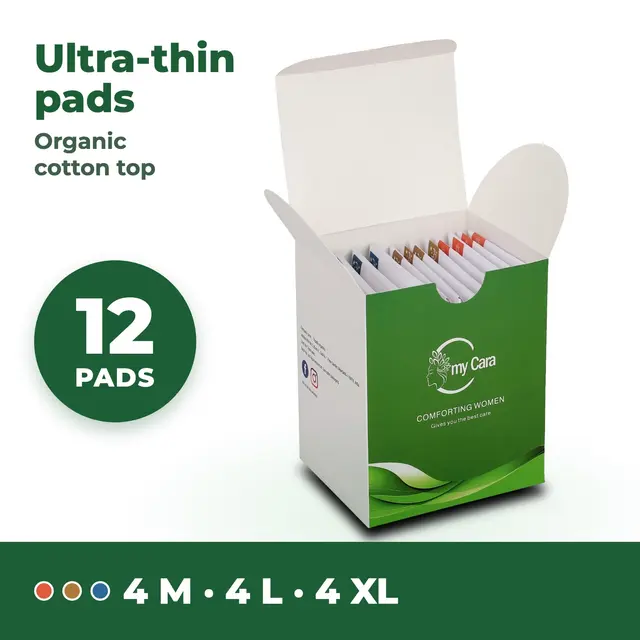
For your period
My Cara Ultra-thin Sanitary Pads with Organic Cotton Top Layer (4M+4L+4XL)
12 pads (4 M, 4 L, 4 XL)
199 rupees
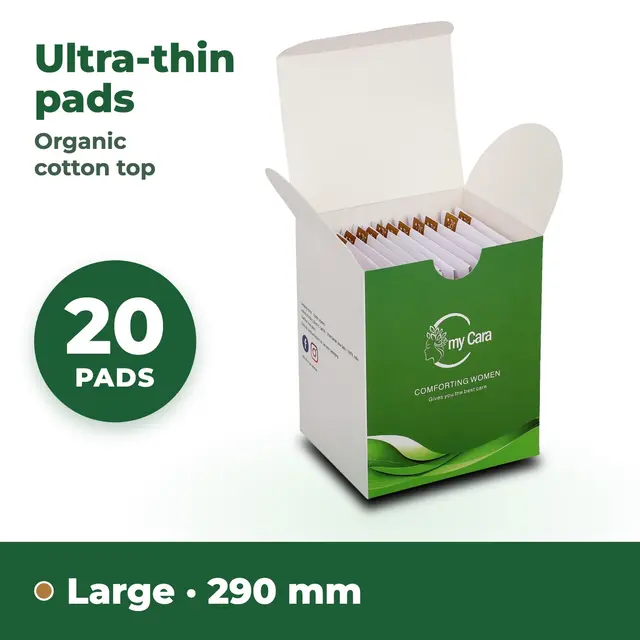
For your period
My Cara Ultra-thin Sanitary Pads with Organic Cotton Top Layer (20 Large)
20 Large pads
299 rupees
Keep reading
Dehydration myths
Do you really need 8 glasses of water a day? We bust common hydration myths, explain how much water you may need, and when you might need more.
Common menstrual disorders
Painful, heavy or missed periods? Learn the signs of common period problems like PCOS, endometriosis, PMS and amenorrhea, and when to see a doctor.
C-section recovery myths
Is a C-section the easy way out? We bust 5 common C-section recovery myths, from healing time to pelvic floor issues and feeling normal at 6 weeks.
Menstrual migraines
Migraines before your period? Learn why hormones trigger menstrual migraines, who is at risk, lifestyle steps that may help, and when to see a doctor.
Ovulation symptoms: signs, timing and your fertile days
Learn the common signs of ovulation, when it usually happens, how irregular periods change the timing, and when ovulation pain needs a doctor.
Menstruation and menopause
Periods and menopause: how hormones shape your monthly cycle, what changes at menopause for your bones, heart and vagina, and how the two differ.
